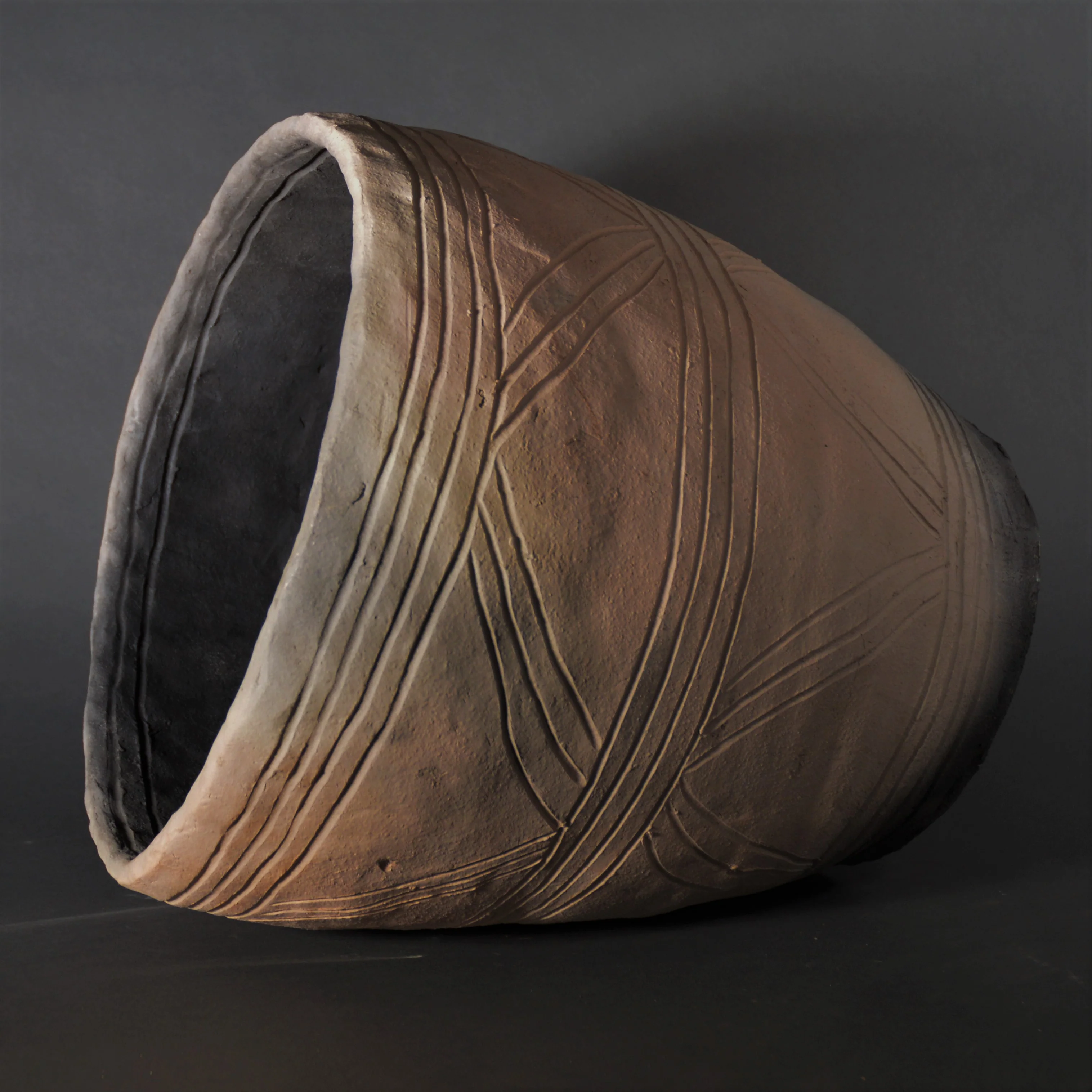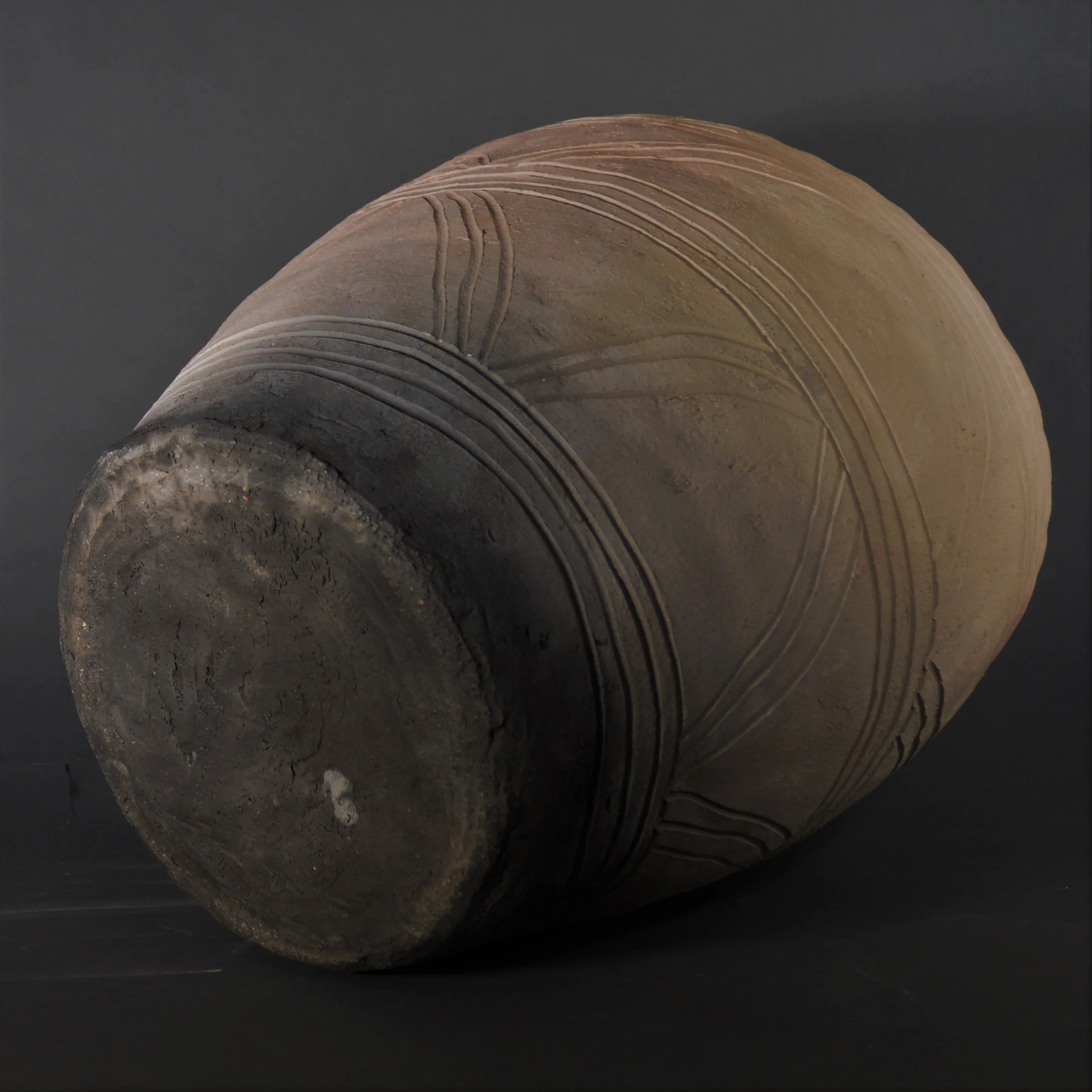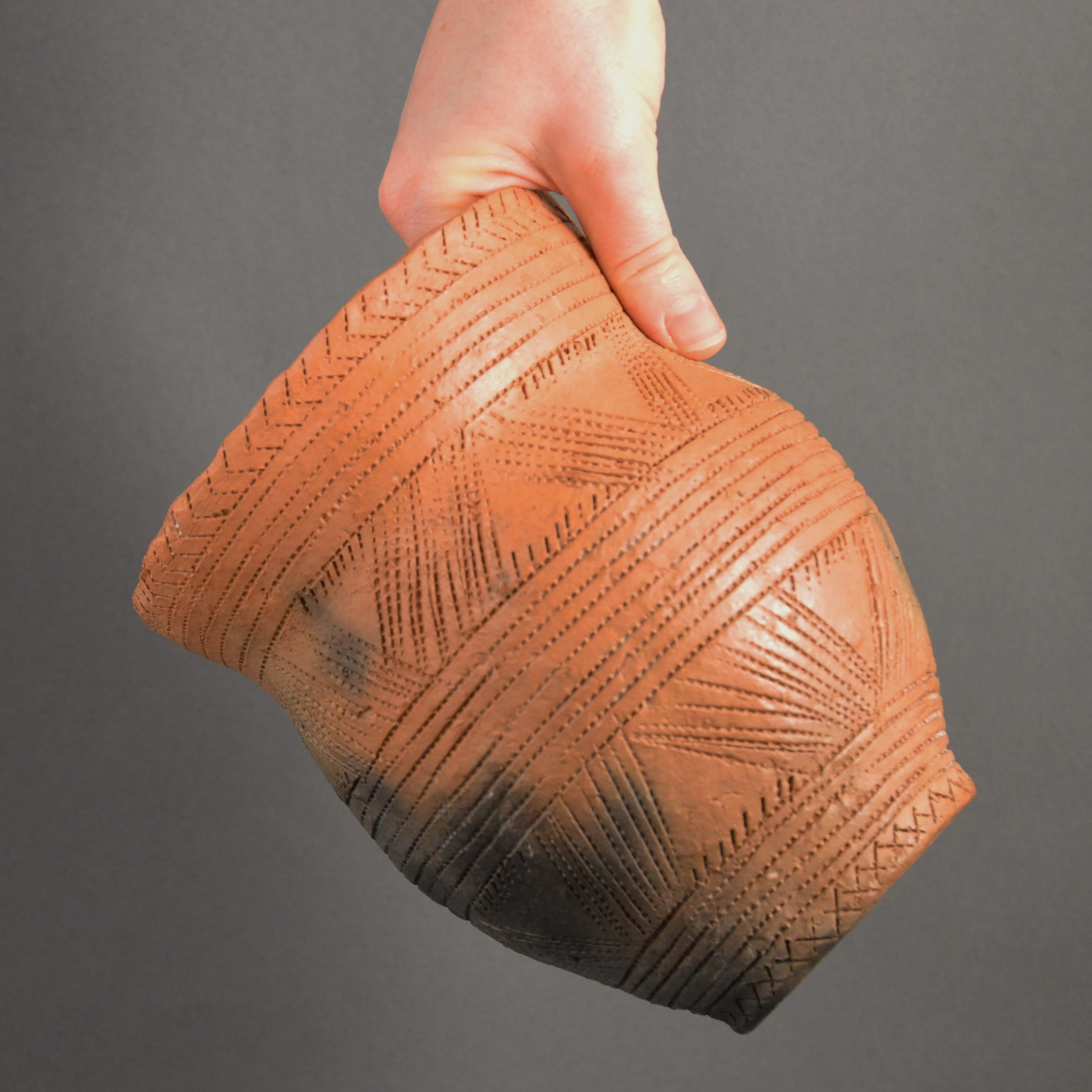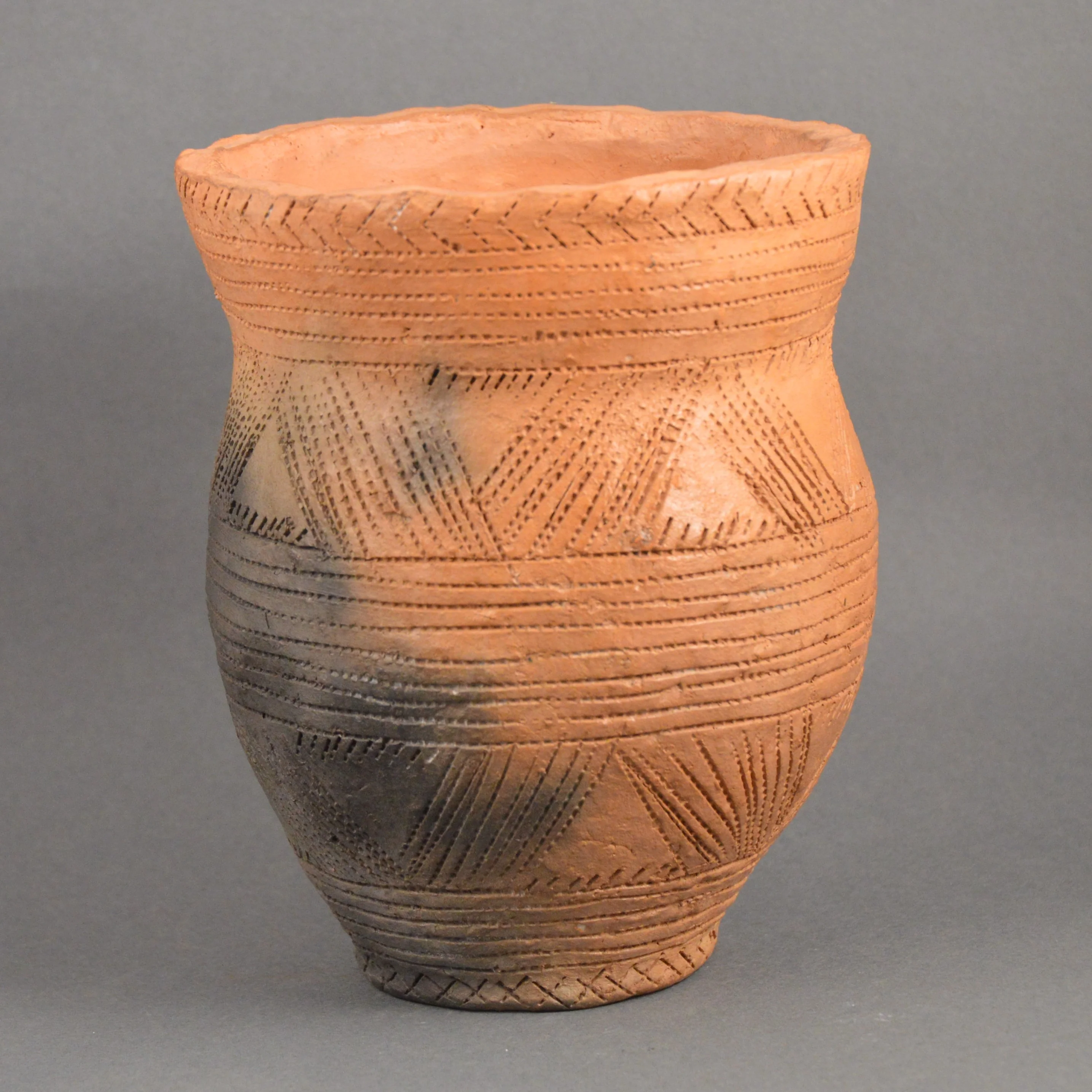
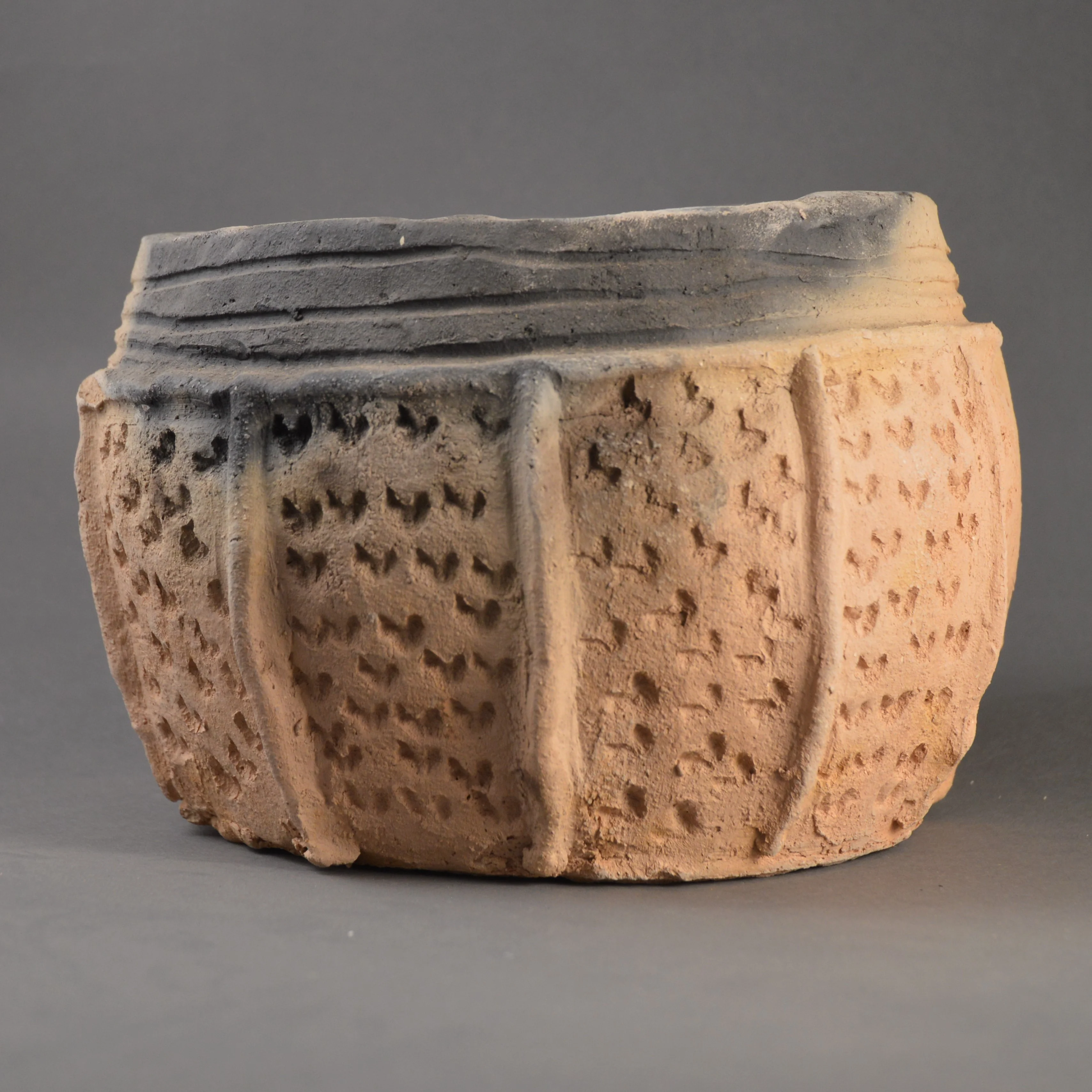
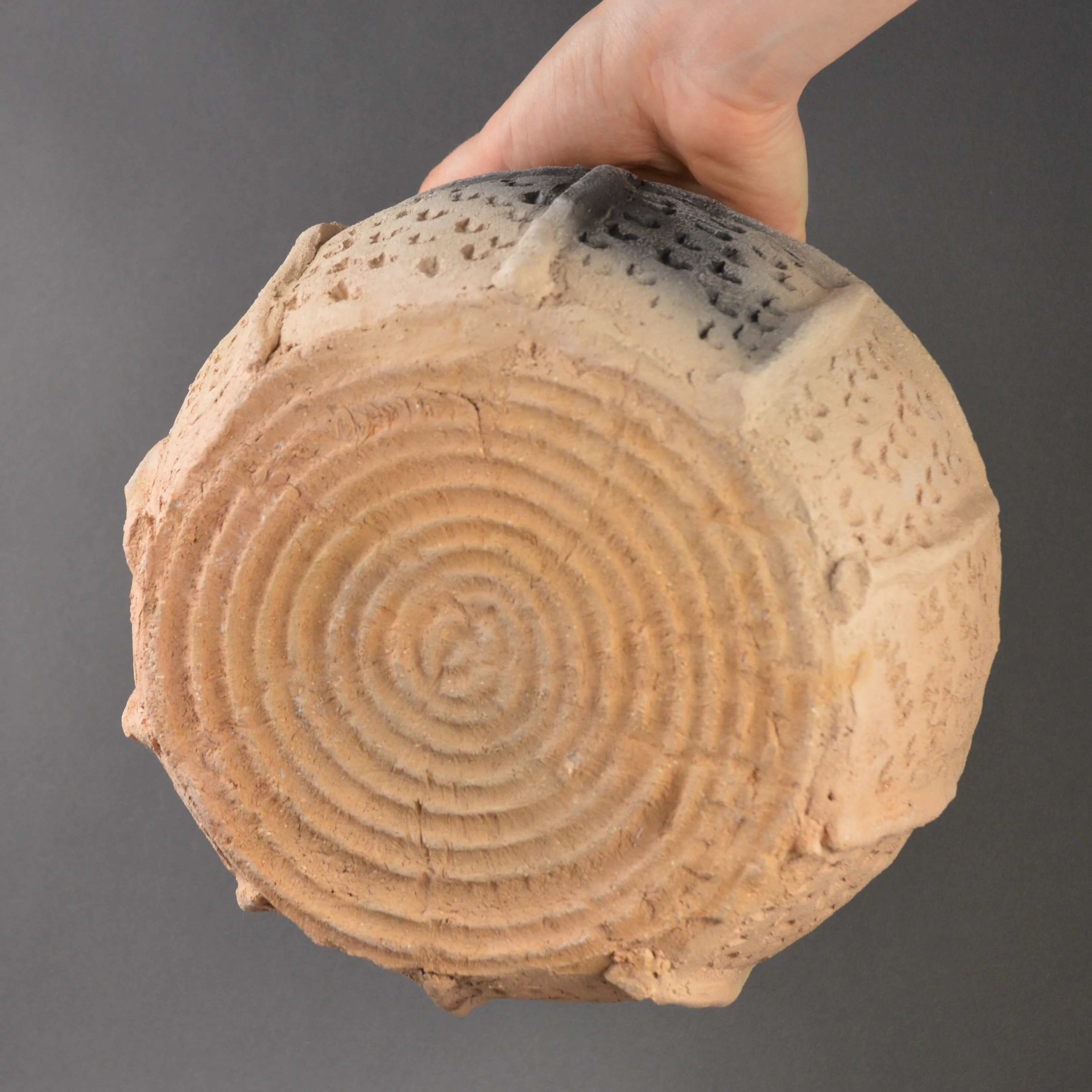
Durrington Wall, Grooved Ware
Handcrafted Replica Neolithic Grooved Ware Pot – Inspired by Durrington Walls
Details
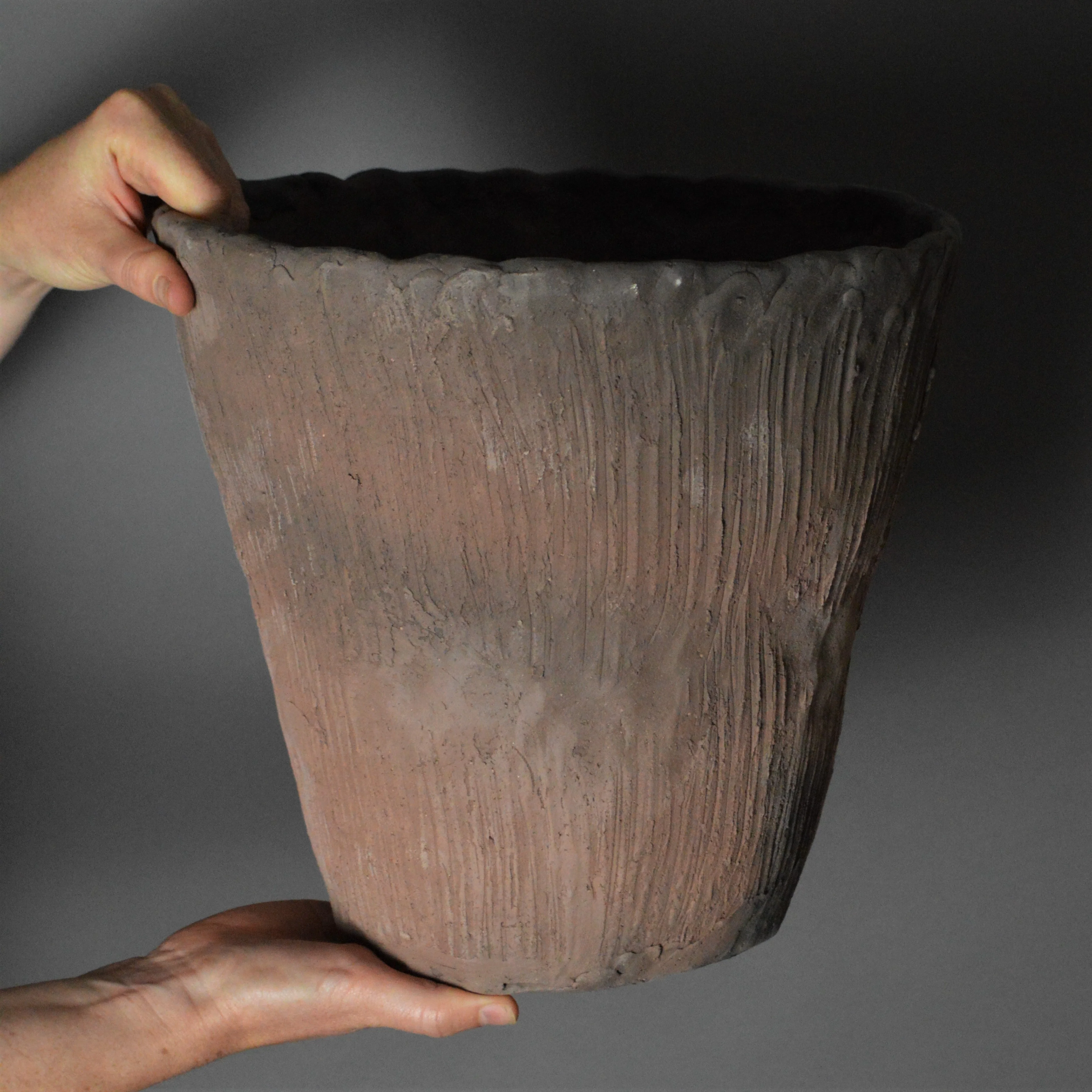
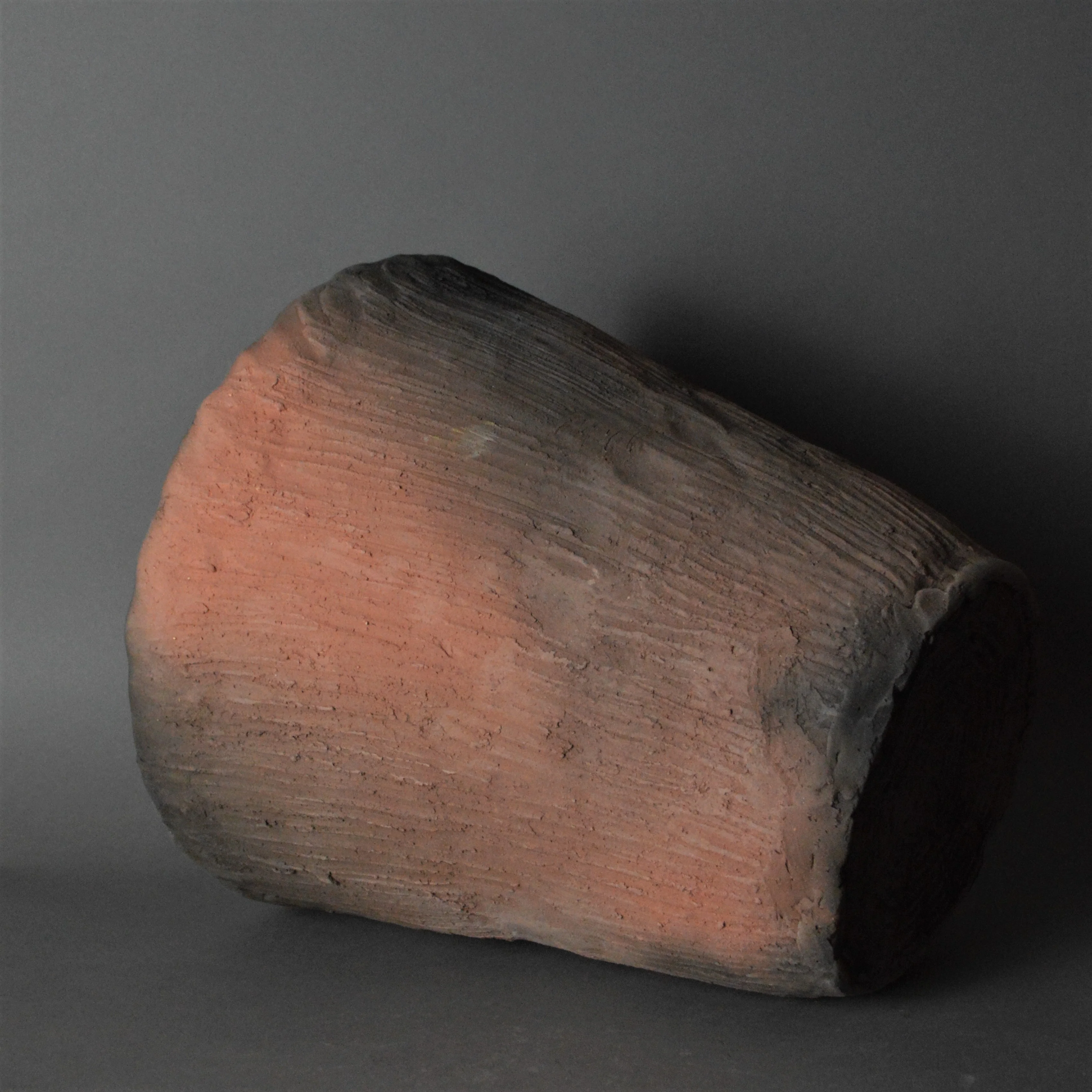
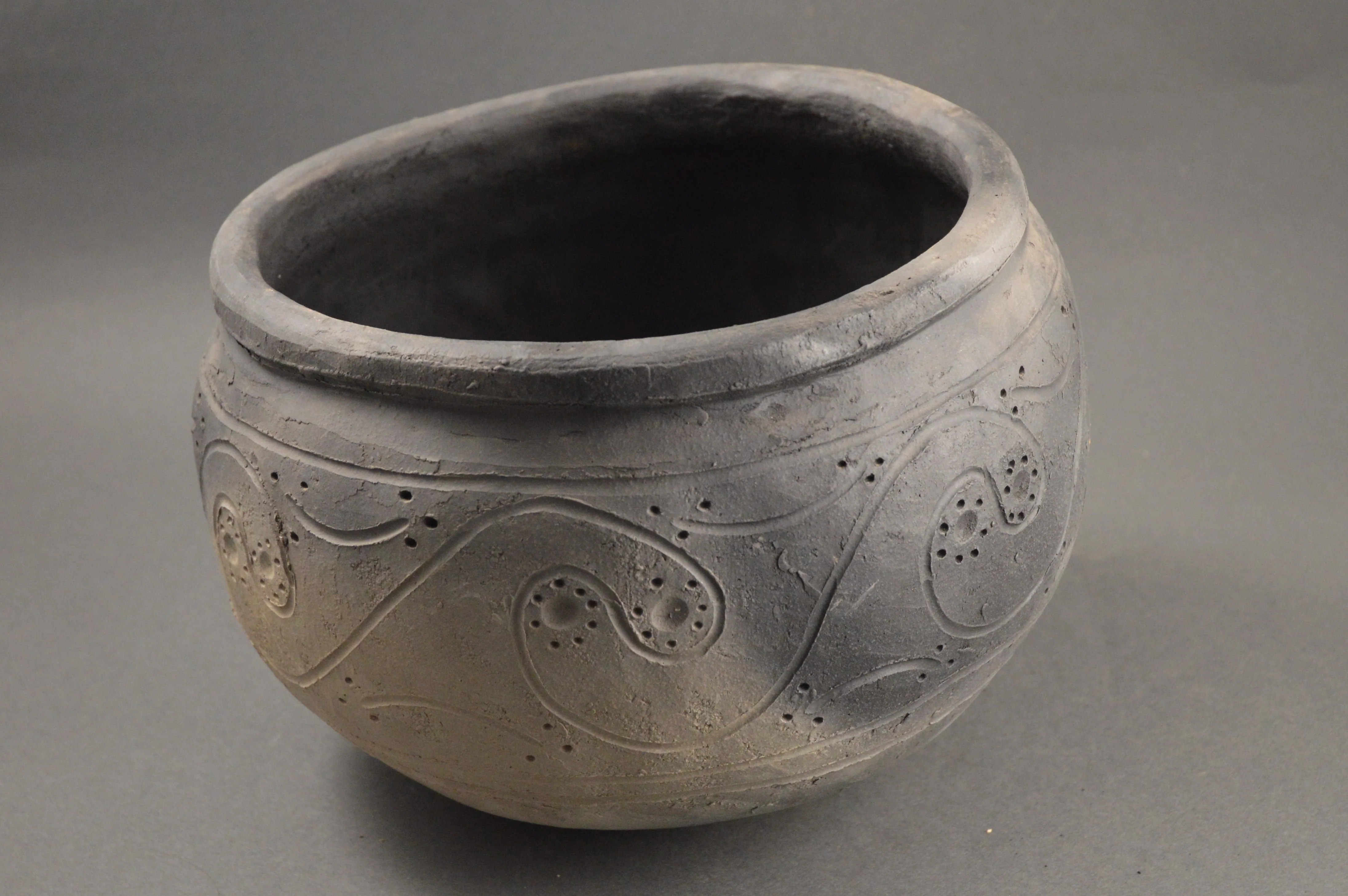
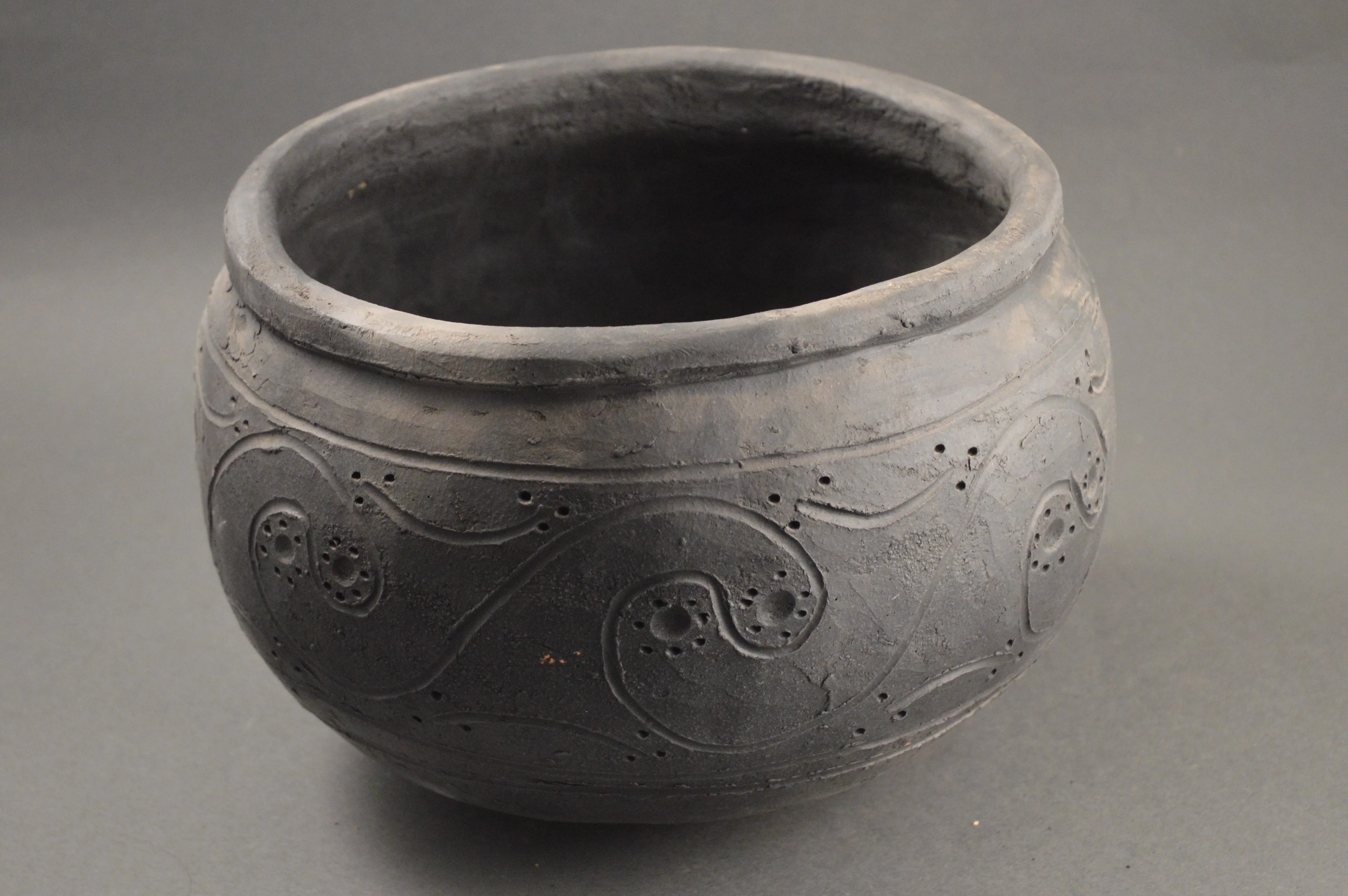
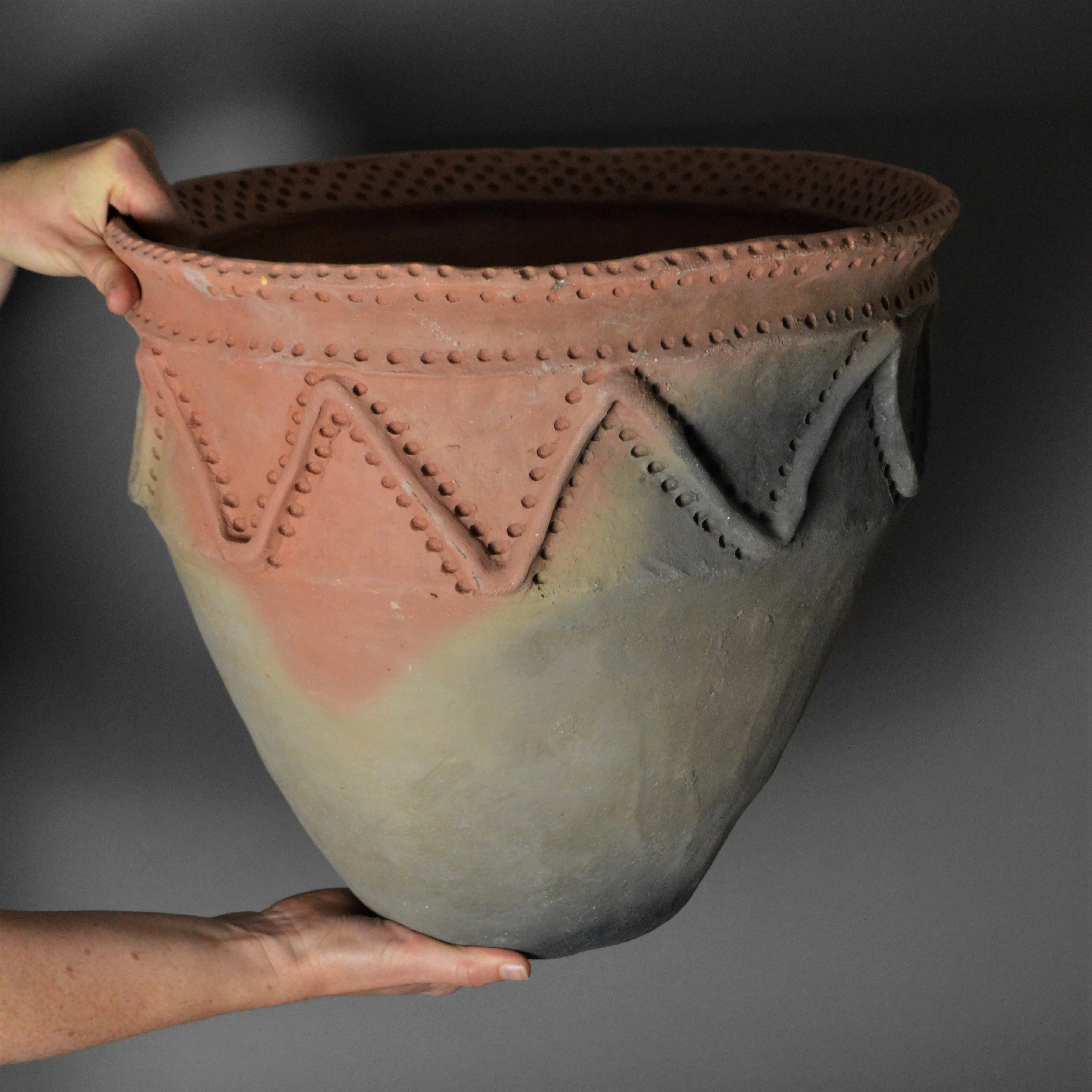
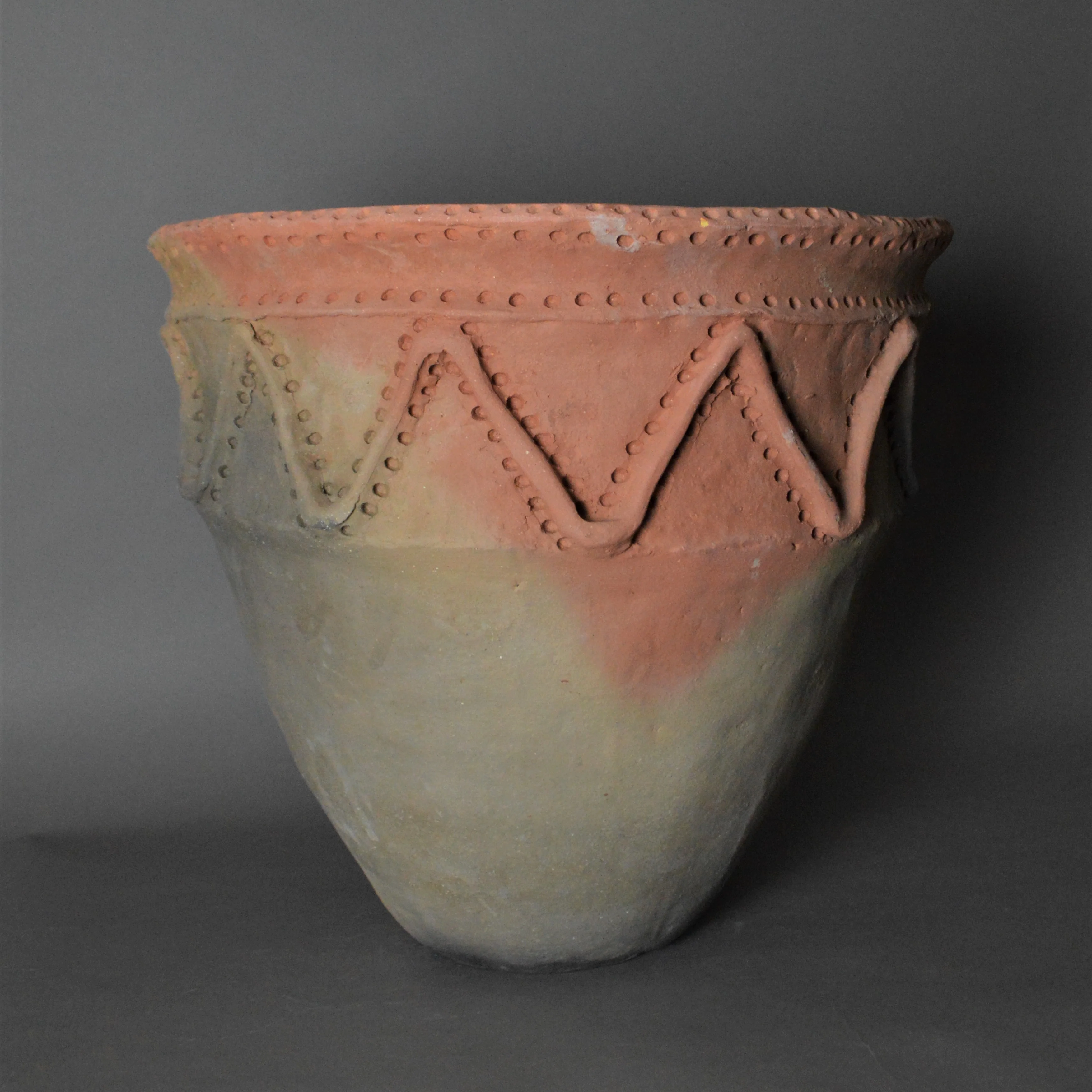
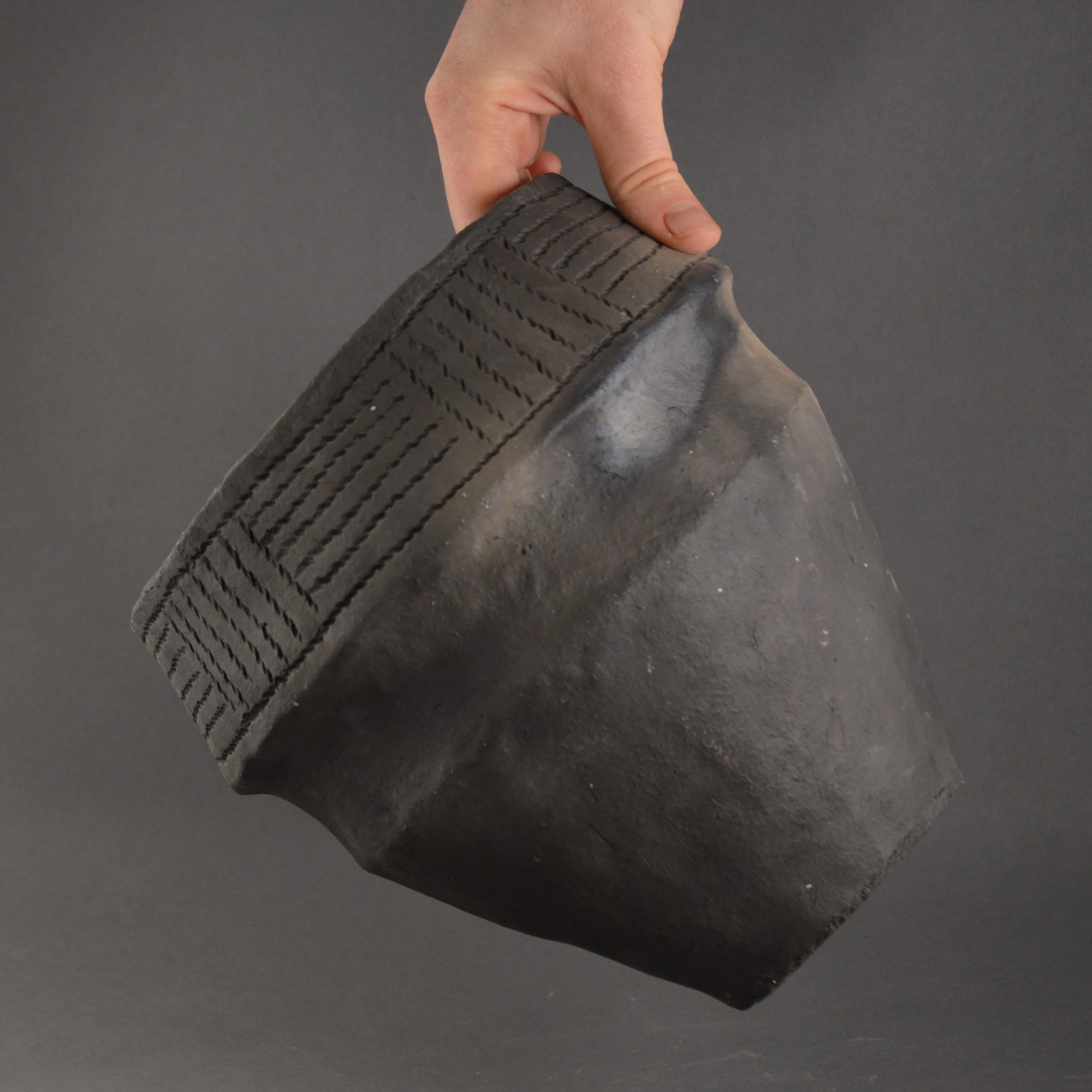
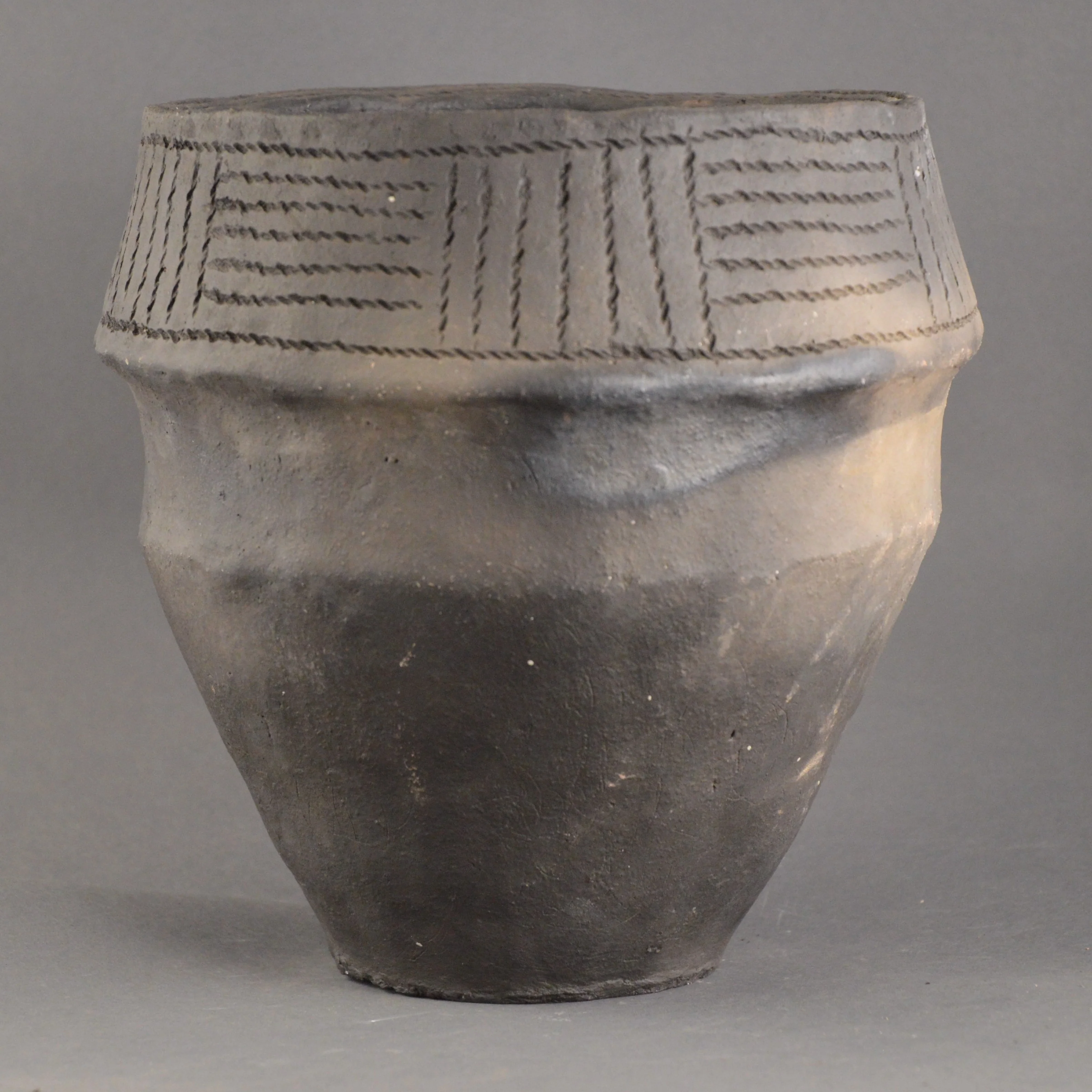
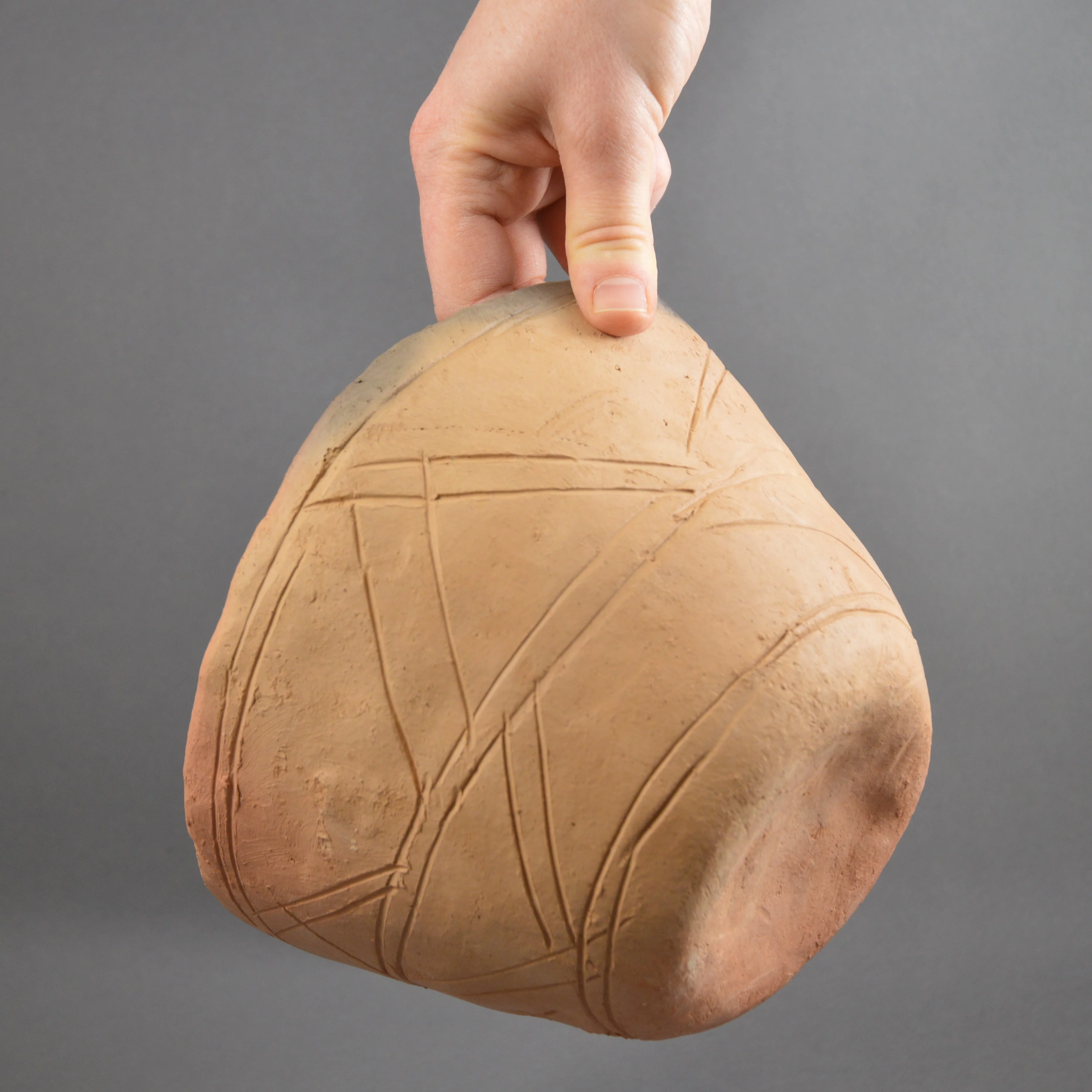
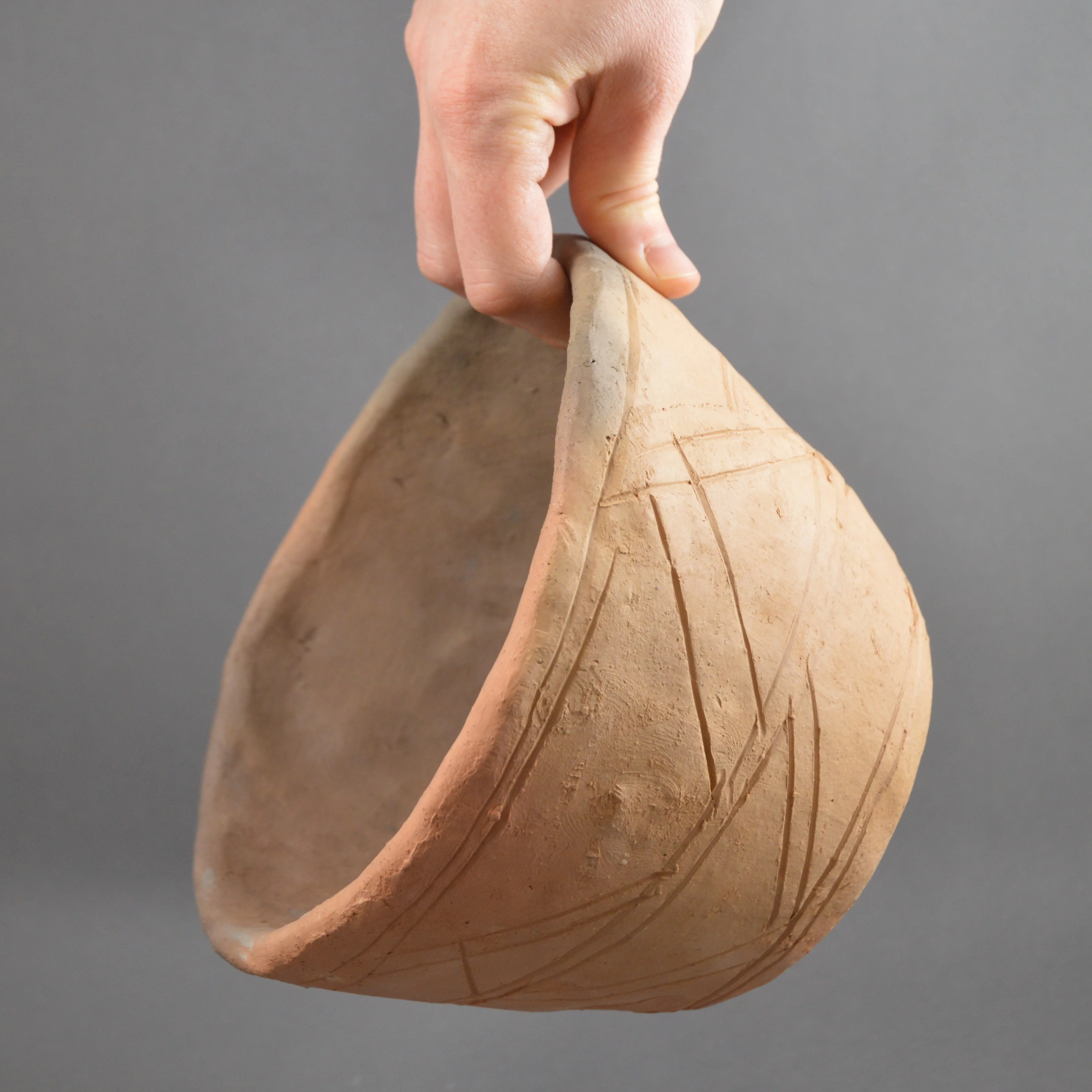
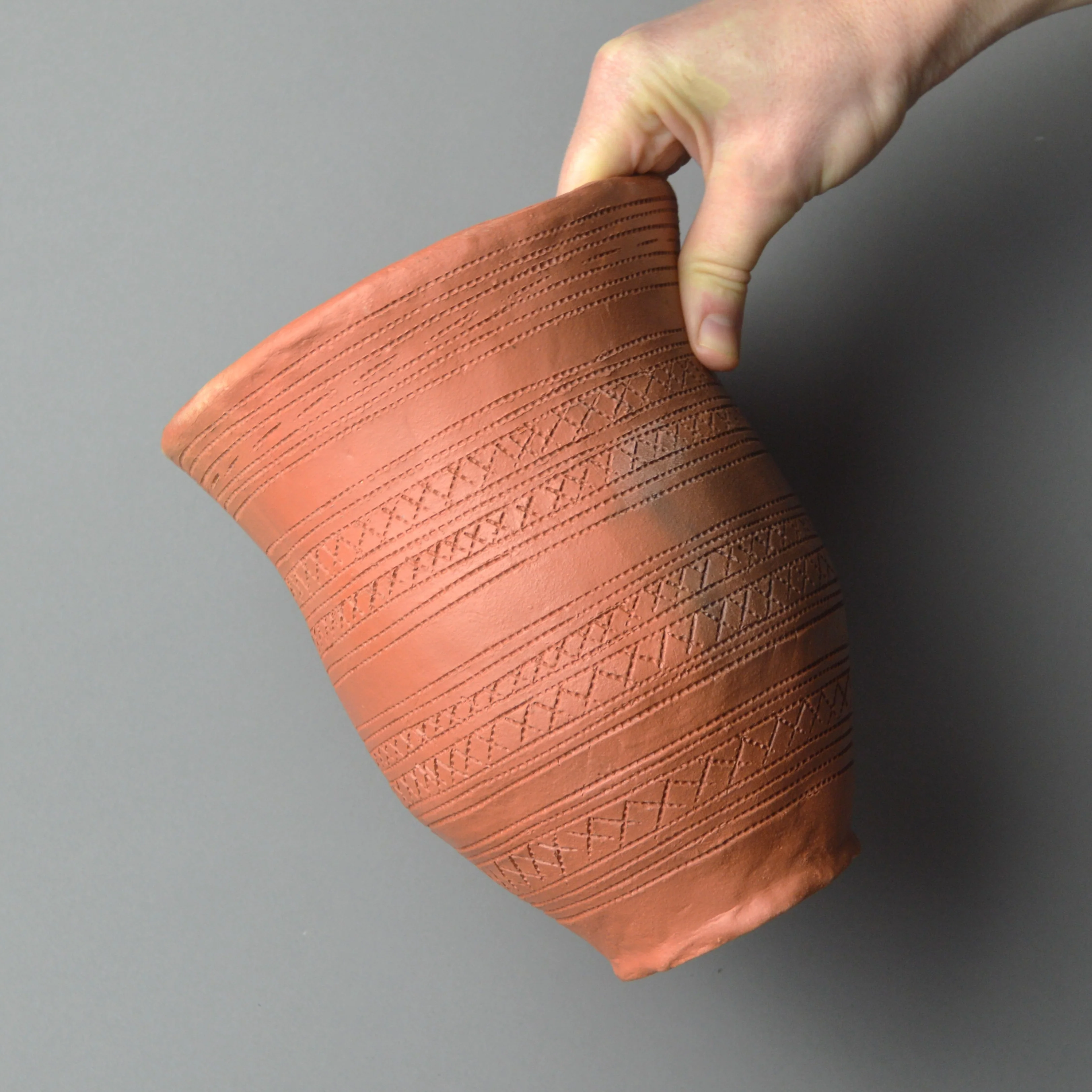
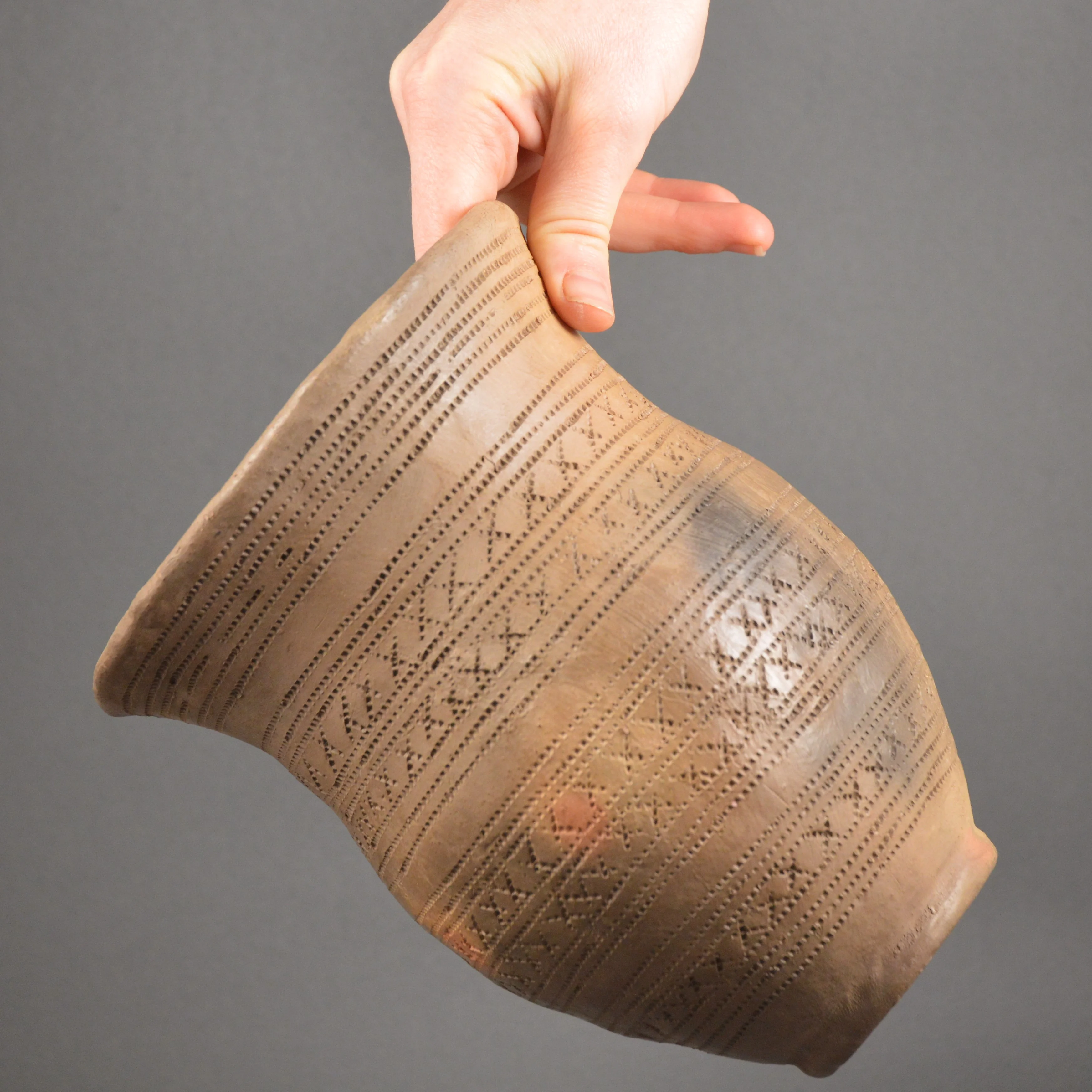
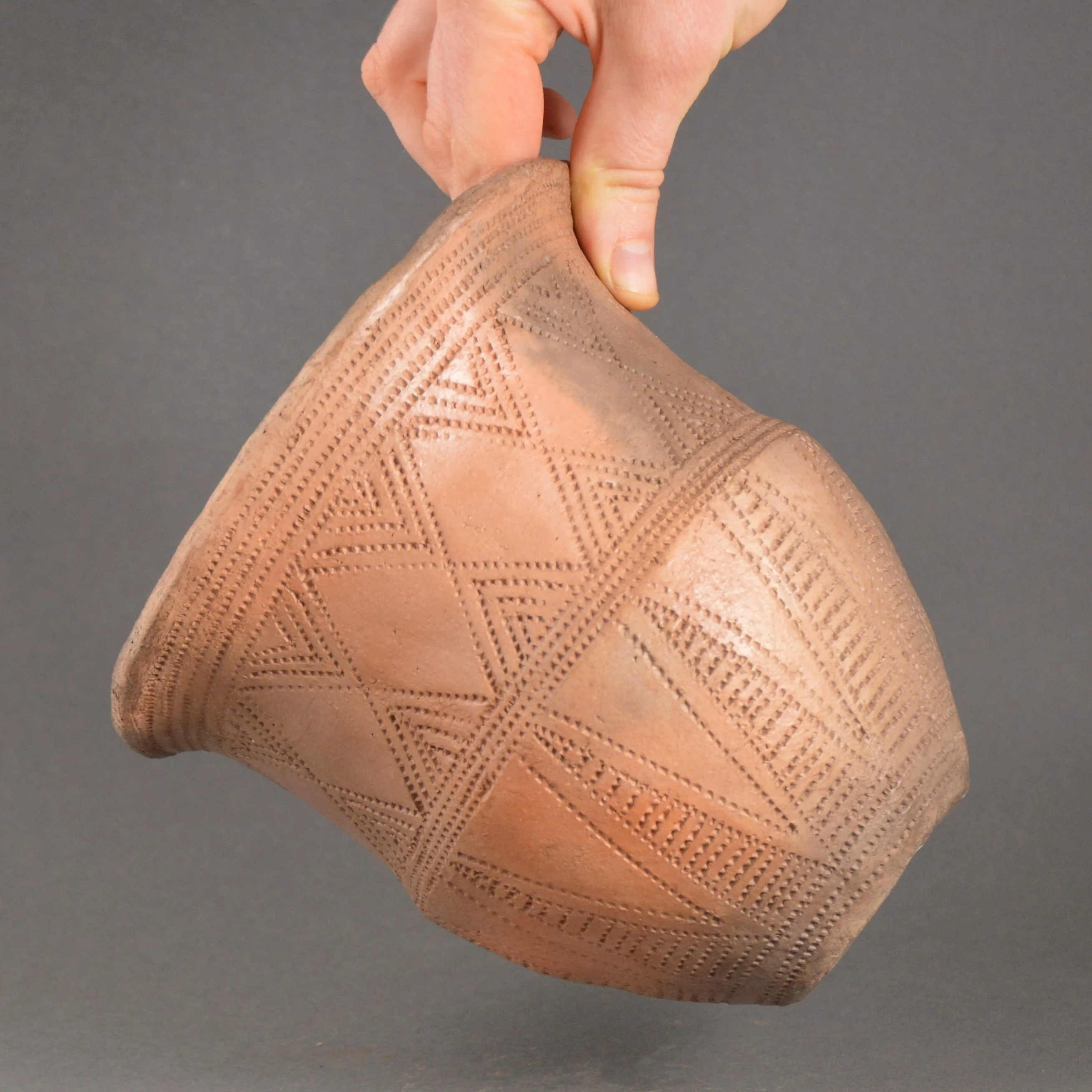
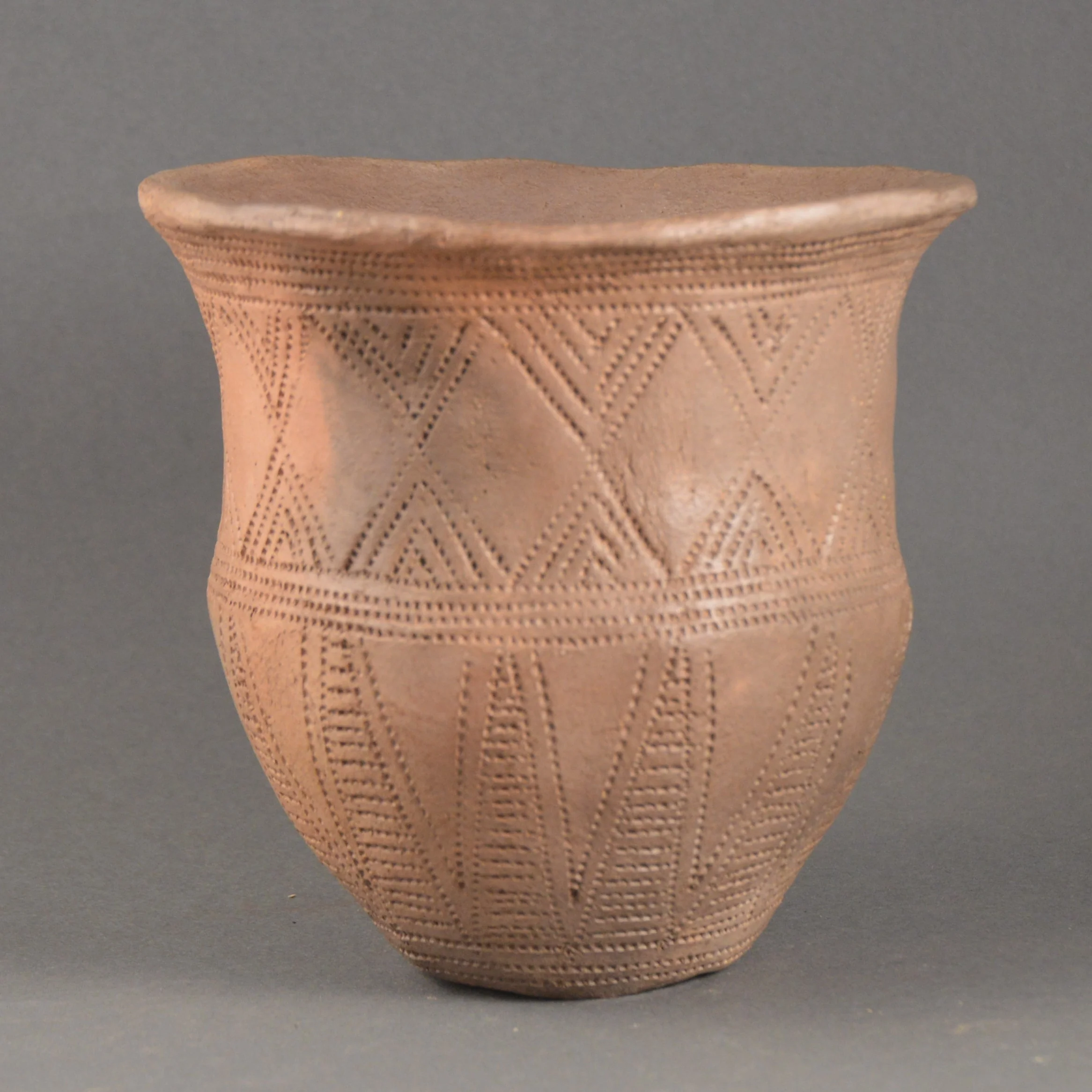
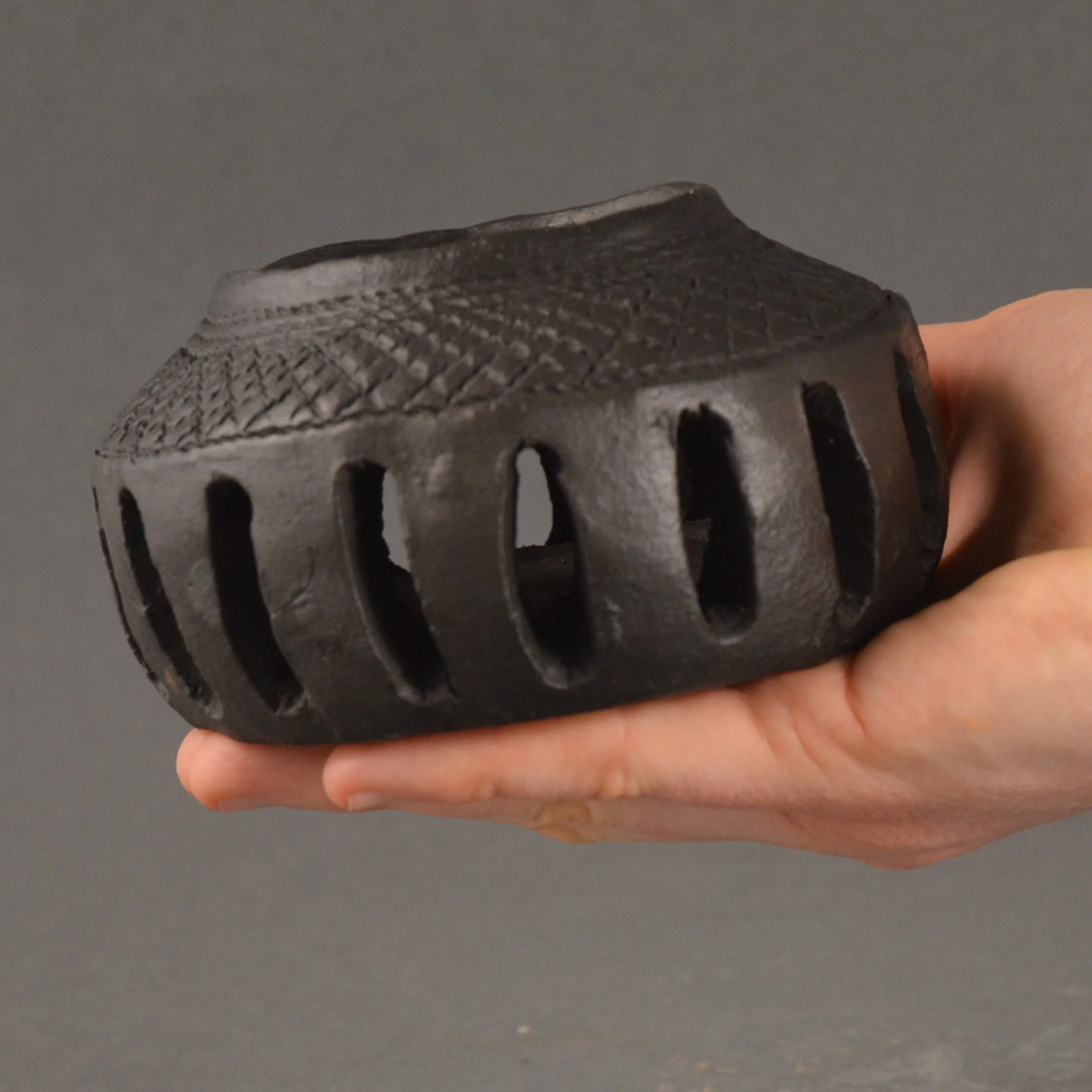
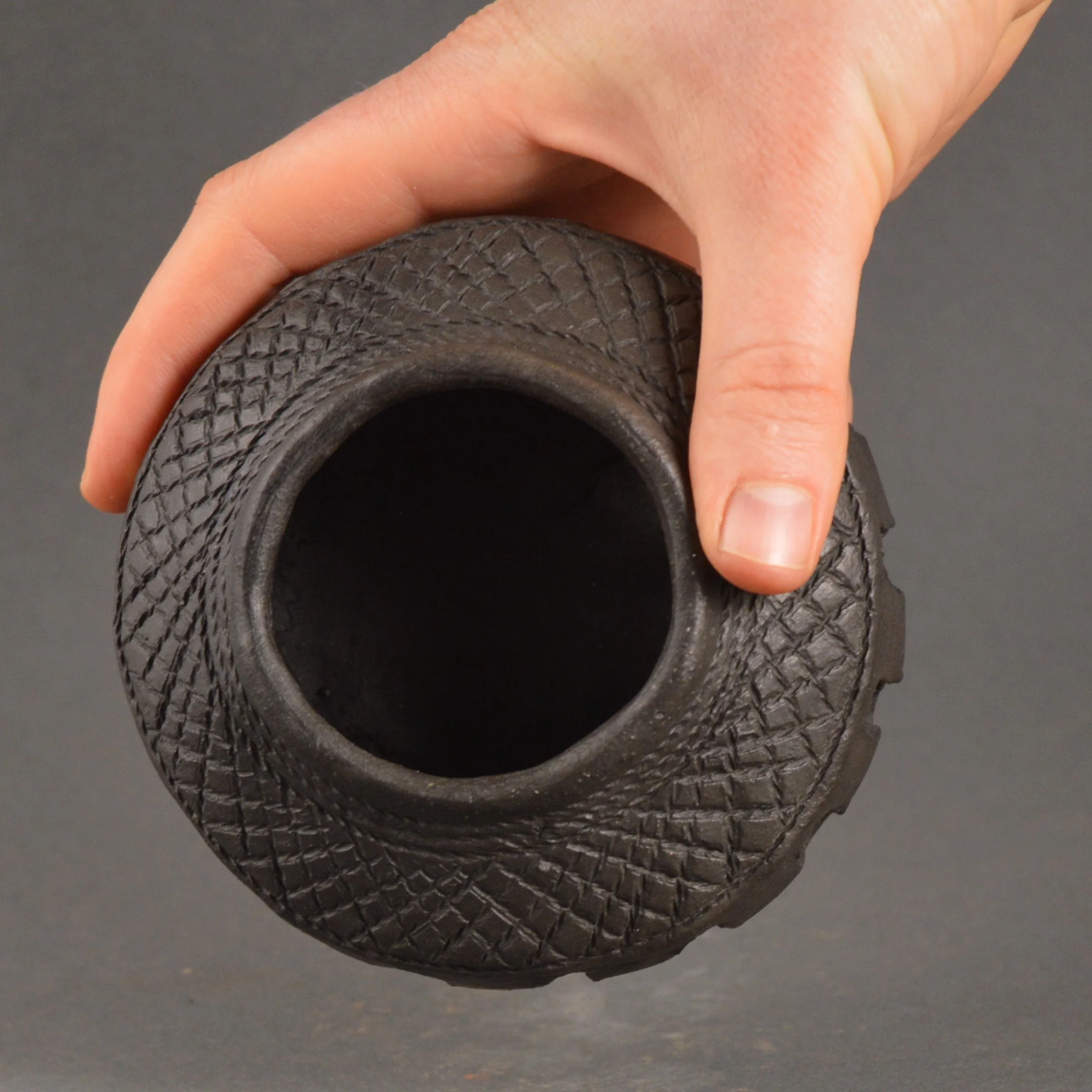
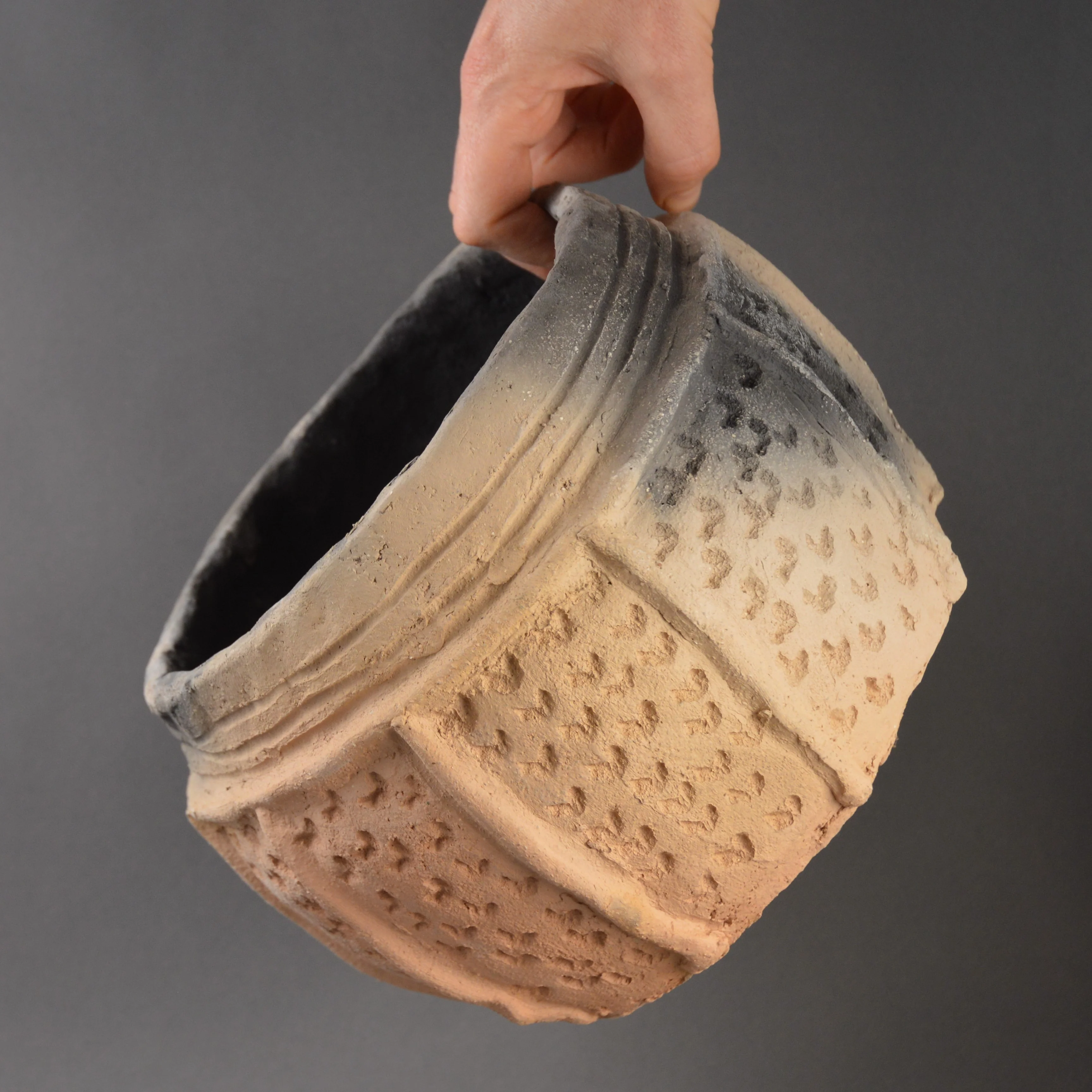
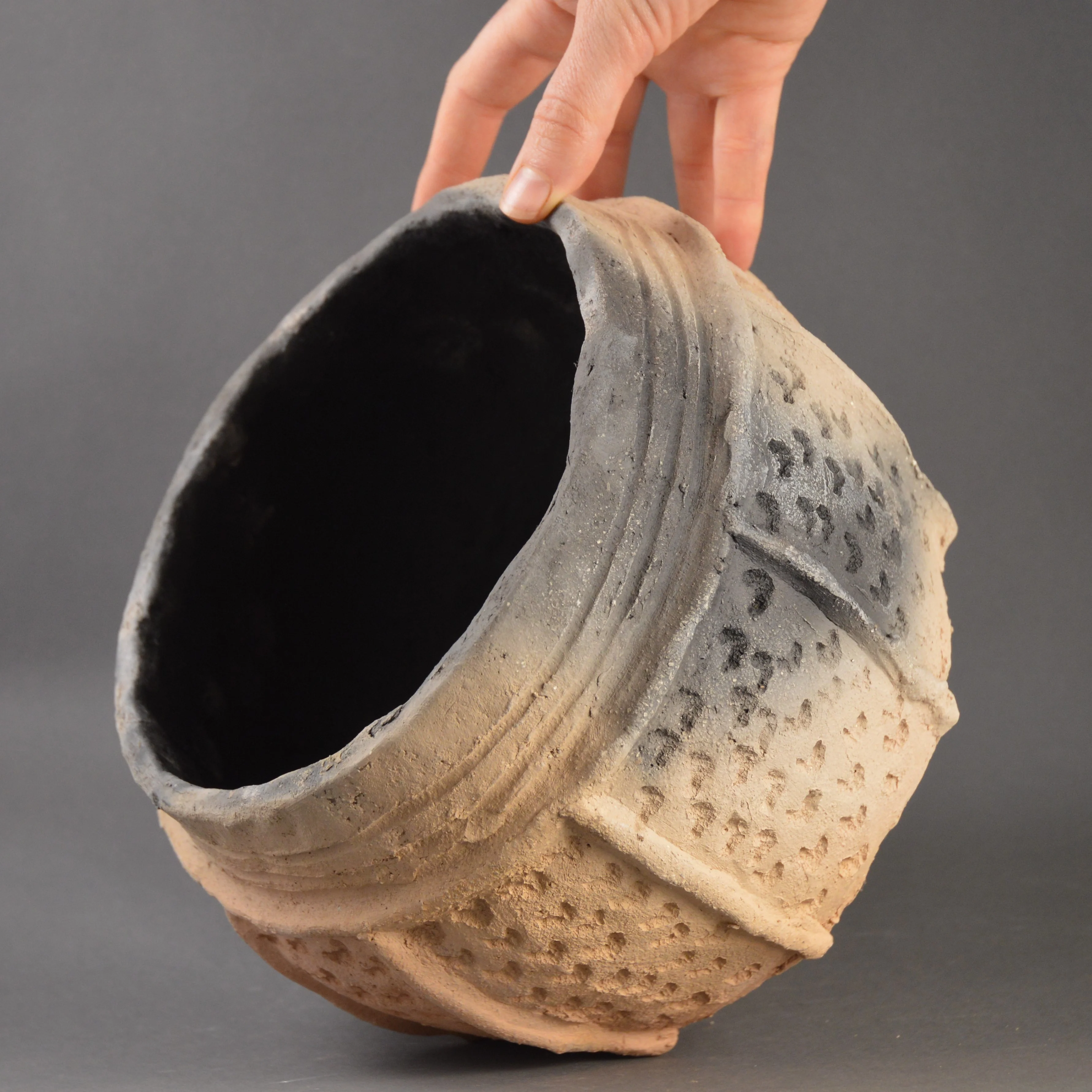
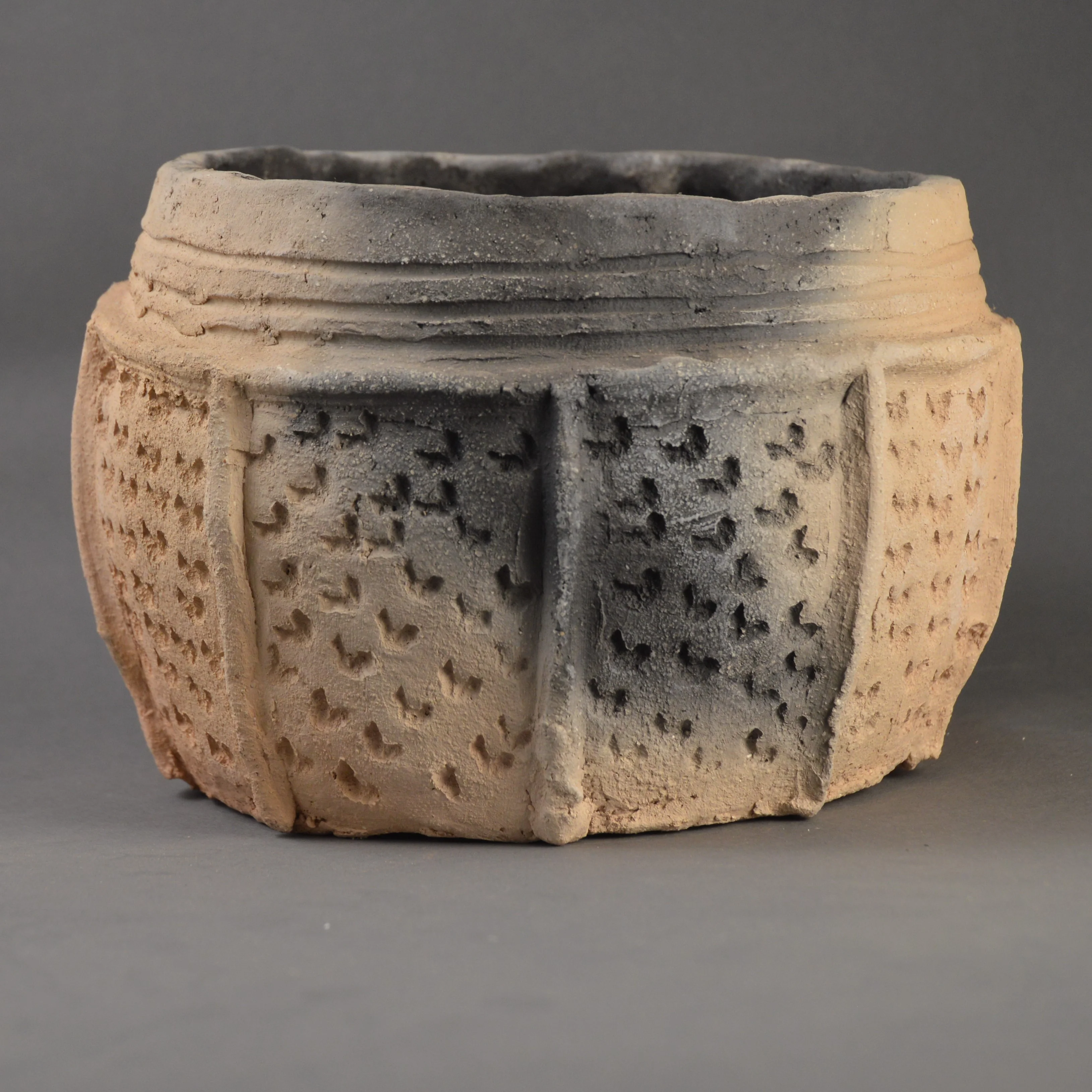
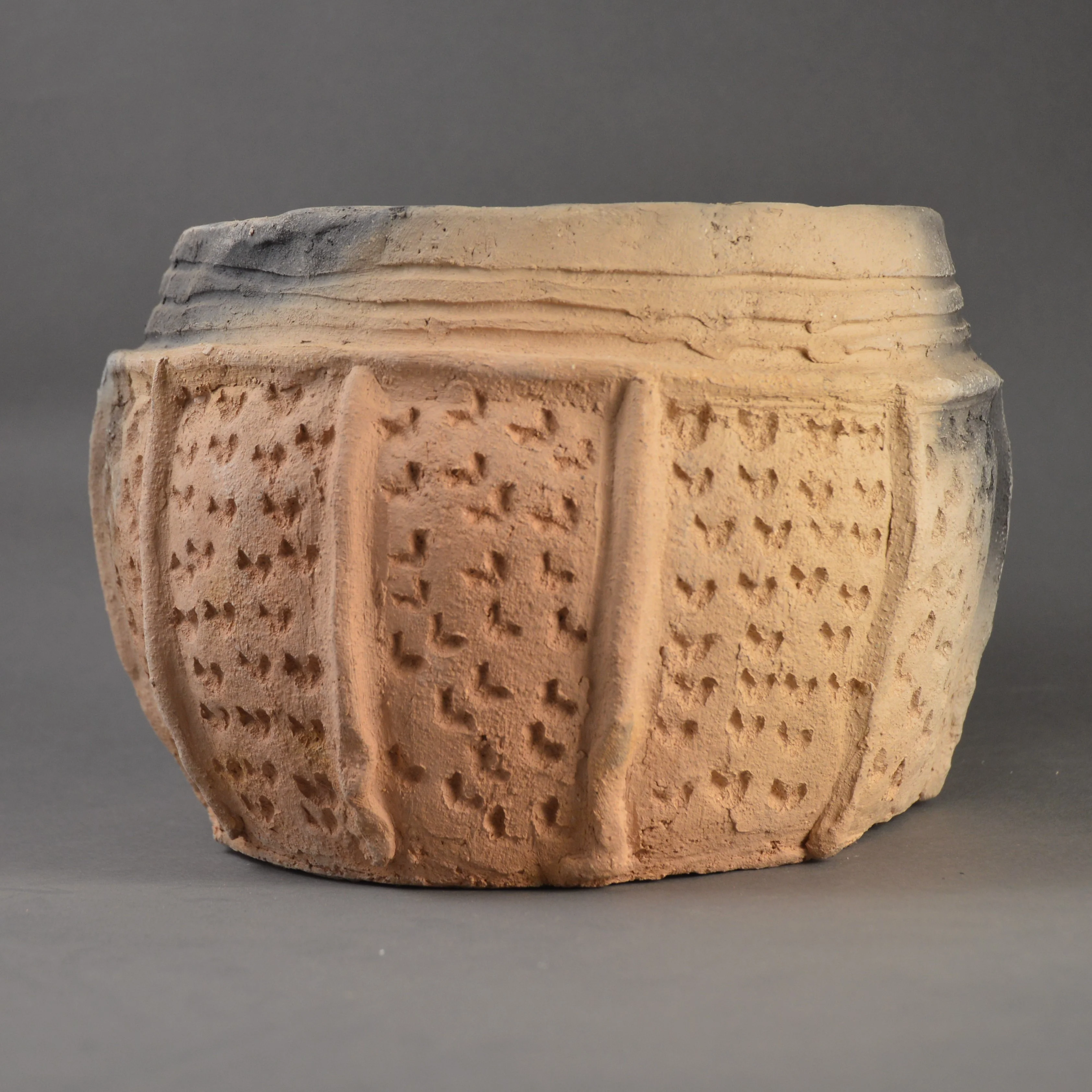
This replica grooved ware pot is based on a sherd discovered at the significant Neolithic site of Durrington Walls, located near Stonehenge. Beautifully decorated with vertical ribs and bird bone impressions, this vessel may have been used in midsummer or midwinter rituals.
Recent research into grooved ware pottery at Durrington Walls has revealed traces of animal fats embedded in the surfaces of sherds, suggesting these pots were used to:
- Cook cattle stews, as evidenced by butchering marks on cattle bones
- Store rendered pig fat, possibly from pigs roasted whole
- Hold dairy products, indicating a role in food preservation
Durrington Walls – A Site of Feasting and Ritual
Situated on the banks of the River Avon, within sight of Stonehenge, Durrington Walls is believed to have been seasonally occupied by the people who built and used Stonehenge. This vast settlement, thought to contain hundreds of small houses, was a place of feasting and celebration, with large quantities of animal bones, pottery, and arrowheads found on-site.
At its heart lay a large ceremonial circle, cut into the chalk bedrock, featuring shrines, houses, and a timber structure known as Woodhenge. This Woodhenge was aligned with the rising and setting sun during the midsummer and midwinter solstices, mirroring the solar alignments of Stonehenge itself.
Archaeological evidence suggests the settlement was occupied seasonally, a theory supported by:
- The rapid accumulation of animal bones in the settlement's midden
- The absence of grinding querns, indicating no year-round cereal processing
- The solar alignment of the site, reinforcing its ceremonial significance
Materials
Smoke-fired terracotta
Dimensions
- Height: Approx. 165 mm
- Diameter: Approx. 230 mm
Production
This museum-quality replica has been entirely handmade in Northumberland by Potted History, using authentic Neolithic techniques.
- Hand-formed from natural clay, as the original would have been
- Decorated using handmade bone and antler tools, replicating the methods of Neolithic potters
- Fired in a specialised process to strengthen the vessel while maintaining an authentic open-fire appearance
- Finished with beeswax to provide a subtle sheen
Health & Safety
- Museum-Quality Replica: Crafted using authentic Neolithic tools and techniques.
- Not food safe: Due to its unglazed and porous nature, this vessel does not meet modern health and safety standards for food use.
- For display and experimental archaeology purposes only: While some enthusiasts use these replicas for experimental archaeology, doing so is at your own risk.
- Ancient cooking practices: Neolithic cooks ensured food safety by heating their pots and contents above 70°C for at least 10 minutes to kill bacteria, with 100°C or higher providing additional protection.
Ordering Information
- 'Add to Basket' Items: Ready to ship immediately.
- 'Pre-order' Items: Handmade to order within 90 days (longer for international orders). If your order includes both 'Add to Basket' and 'Pre-order' items, they will be shipped together once all items are ready.
Firing Process
In keeping with ancient techniques, this pot has been fired to emulate Neolithic open-fire conditions. The original would have been fired in direct contact with wood fuel, leaving distinctive surface variations. However, to improve durability, this pot has been fired at a slightly higher temperature while preserving its authentic appearance.
Shipping
- Standard shipping: Sent via second-class postal service.
- Faster delivery: If you require first-class shipping, please contact us for a custom quote.
Step back in time and experience the craftsmanship of Neolithic Britain – order your grooved ware pot today!
Original: $159.67
-70%$159.67
$47.90Product Information
Product Information
Shipping & Returns
Shipping & Returns
Description
Handcrafted Replica Neolithic Grooved Ware Pot – Inspired by Durrington Walls
Details
This replica grooved ware pot is based on a sherd discovered at the significant Neolithic site of Durrington Walls, located near Stonehenge. Beautifully decorated with vertical ribs and bird bone impressions, this vessel may have been used in midsummer or midwinter rituals.
Recent research into grooved ware pottery at Durrington Walls has revealed traces of animal fats embedded in the surfaces of sherds, suggesting these pots were used to:
- Cook cattle stews, as evidenced by butchering marks on cattle bones
- Store rendered pig fat, possibly from pigs roasted whole
- Hold dairy products, indicating a role in food preservation
Durrington Walls – A Site of Feasting and Ritual
Situated on the banks of the River Avon, within sight of Stonehenge, Durrington Walls is believed to have been seasonally occupied by the people who built and used Stonehenge. This vast settlement, thought to contain hundreds of small houses, was a place of feasting and celebration, with large quantities of animal bones, pottery, and arrowheads found on-site.
At its heart lay a large ceremonial circle, cut into the chalk bedrock, featuring shrines, houses, and a timber structure known as Woodhenge. This Woodhenge was aligned with the rising and setting sun during the midsummer and midwinter solstices, mirroring the solar alignments of Stonehenge itself.
Archaeological evidence suggests the settlement was occupied seasonally, a theory supported by:
- The rapid accumulation of animal bones in the settlement's midden
- The absence of grinding querns, indicating no year-round cereal processing
- The solar alignment of the site, reinforcing its ceremonial significance
Materials
Smoke-fired terracotta
Dimensions
- Height: Approx. 165 mm
- Diameter: Approx. 230 mm
Production
This museum-quality replica has been entirely handmade in Northumberland by Potted History, using authentic Neolithic techniques.
- Hand-formed from natural clay, as the original would have been
- Decorated using handmade bone and antler tools, replicating the methods of Neolithic potters
- Fired in a specialised process to strengthen the vessel while maintaining an authentic open-fire appearance
- Finished with beeswax to provide a subtle sheen
Health & Safety
- Museum-Quality Replica: Crafted using authentic Neolithic tools and techniques.
- Not food safe: Due to its unglazed and porous nature, this vessel does not meet modern health and safety standards for food use.
- For display and experimental archaeology purposes only: While some enthusiasts use these replicas for experimental archaeology, doing so is at your own risk.
- Ancient cooking practices: Neolithic cooks ensured food safety by heating their pots and contents above 70°C for at least 10 minutes to kill bacteria, with 100°C or higher providing additional protection.
Ordering Information
- 'Add to Basket' Items: Ready to ship immediately.
- 'Pre-order' Items: Handmade to order within 90 days (longer for international orders). If your order includes both 'Add to Basket' and 'Pre-order' items, they will be shipped together once all items are ready.
Firing Process
In keeping with ancient techniques, this pot has been fired to emulate Neolithic open-fire conditions. The original would have been fired in direct contact with wood fuel, leaving distinctive surface variations. However, to improve durability, this pot has been fired at a slightly higher temperature while preserving its authentic appearance.
Shipping
- Standard shipping: Sent via second-class postal service.
- Faster delivery: If you require first-class shipping, please contact us for a custom quote.
Step back in time and experience the craftsmanship of Neolithic Britain – order your grooved ware pot today!