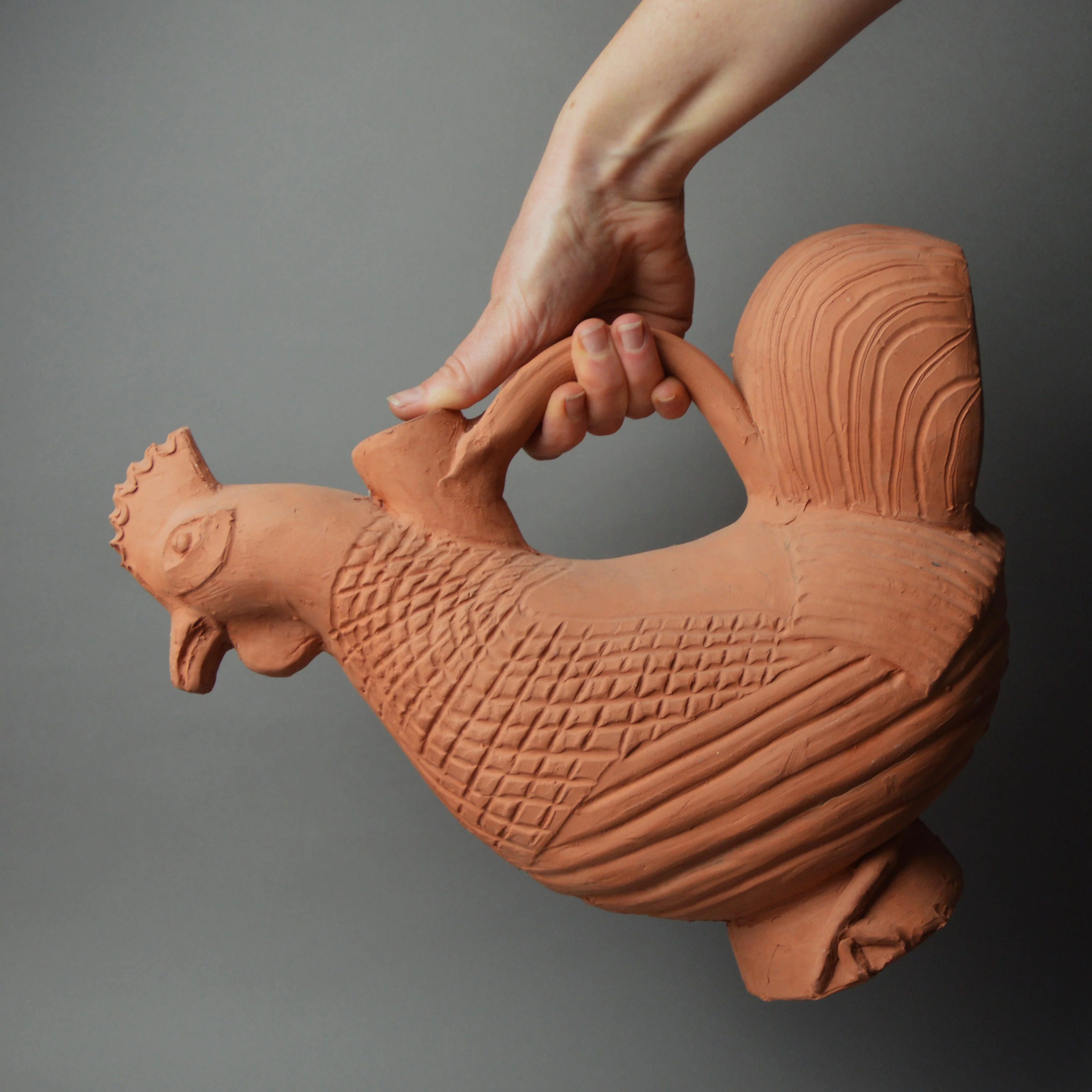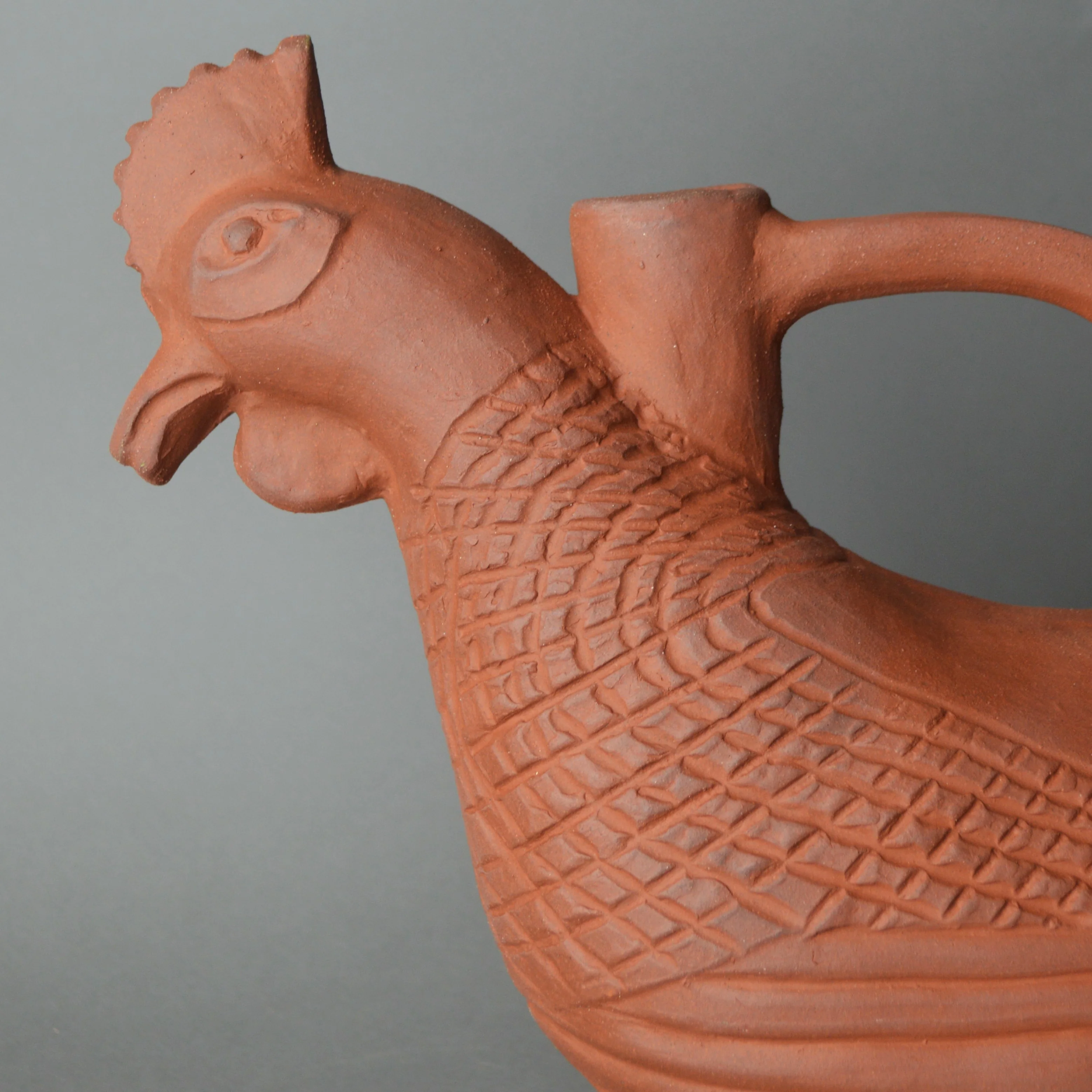
Durotriges Strainer, Romano- British
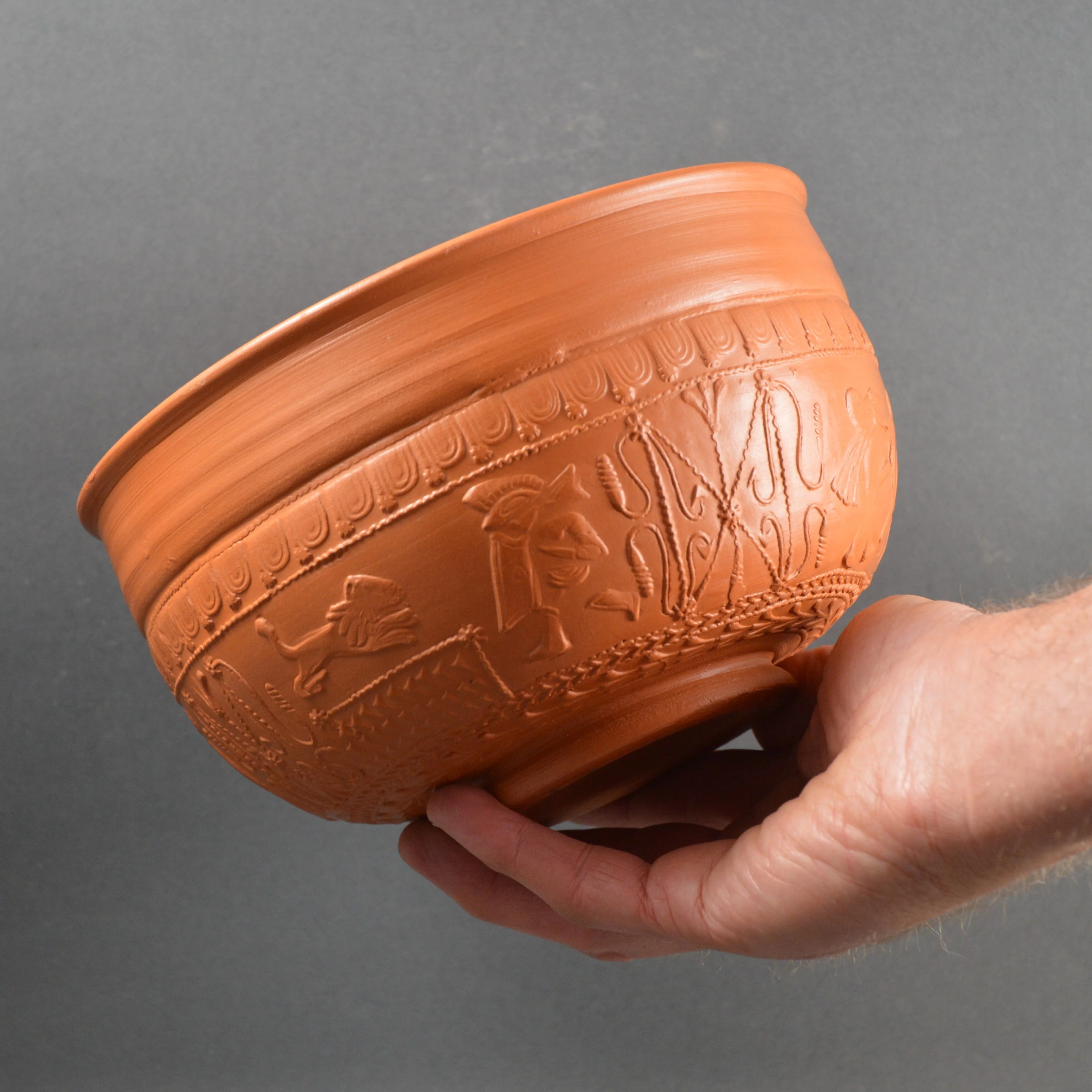
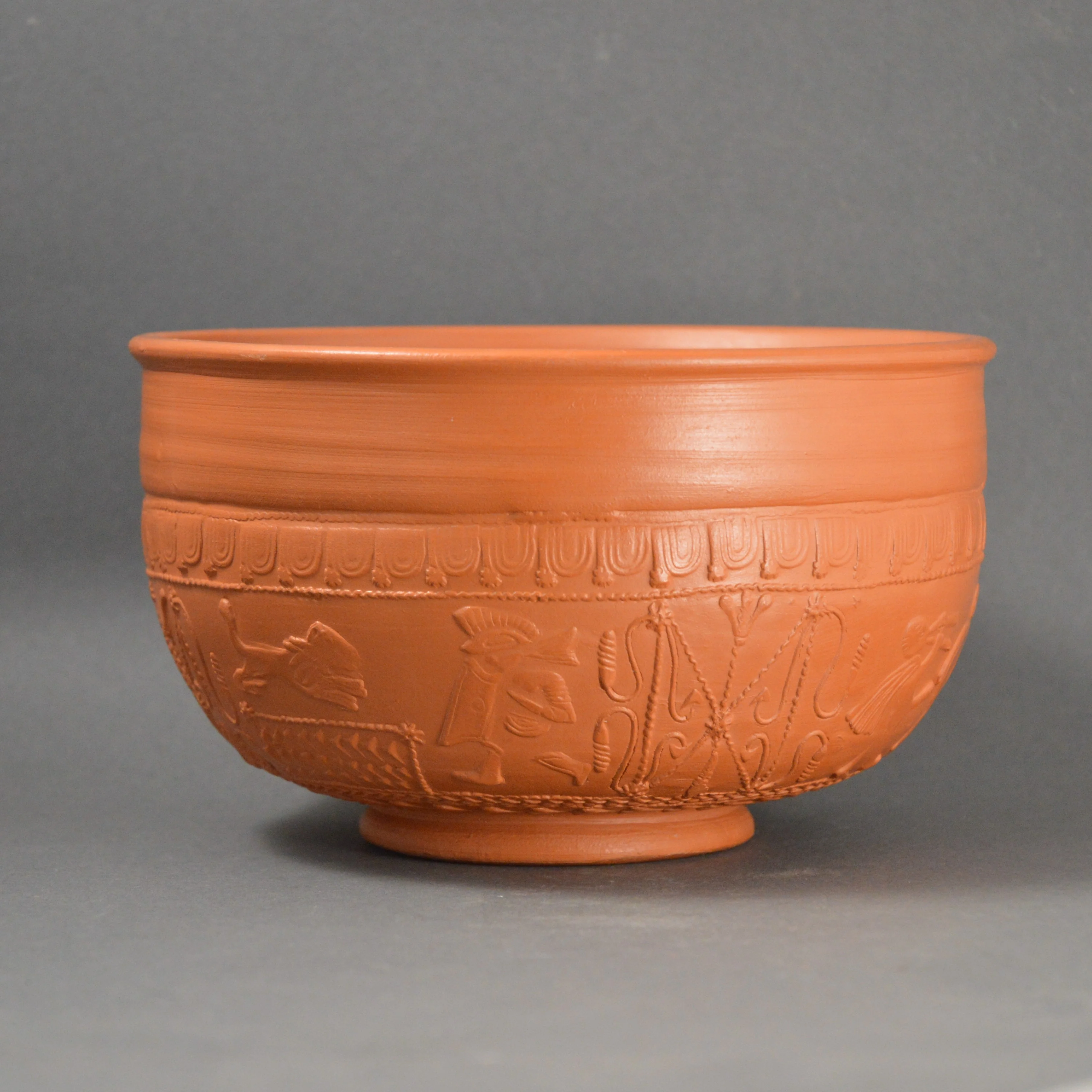
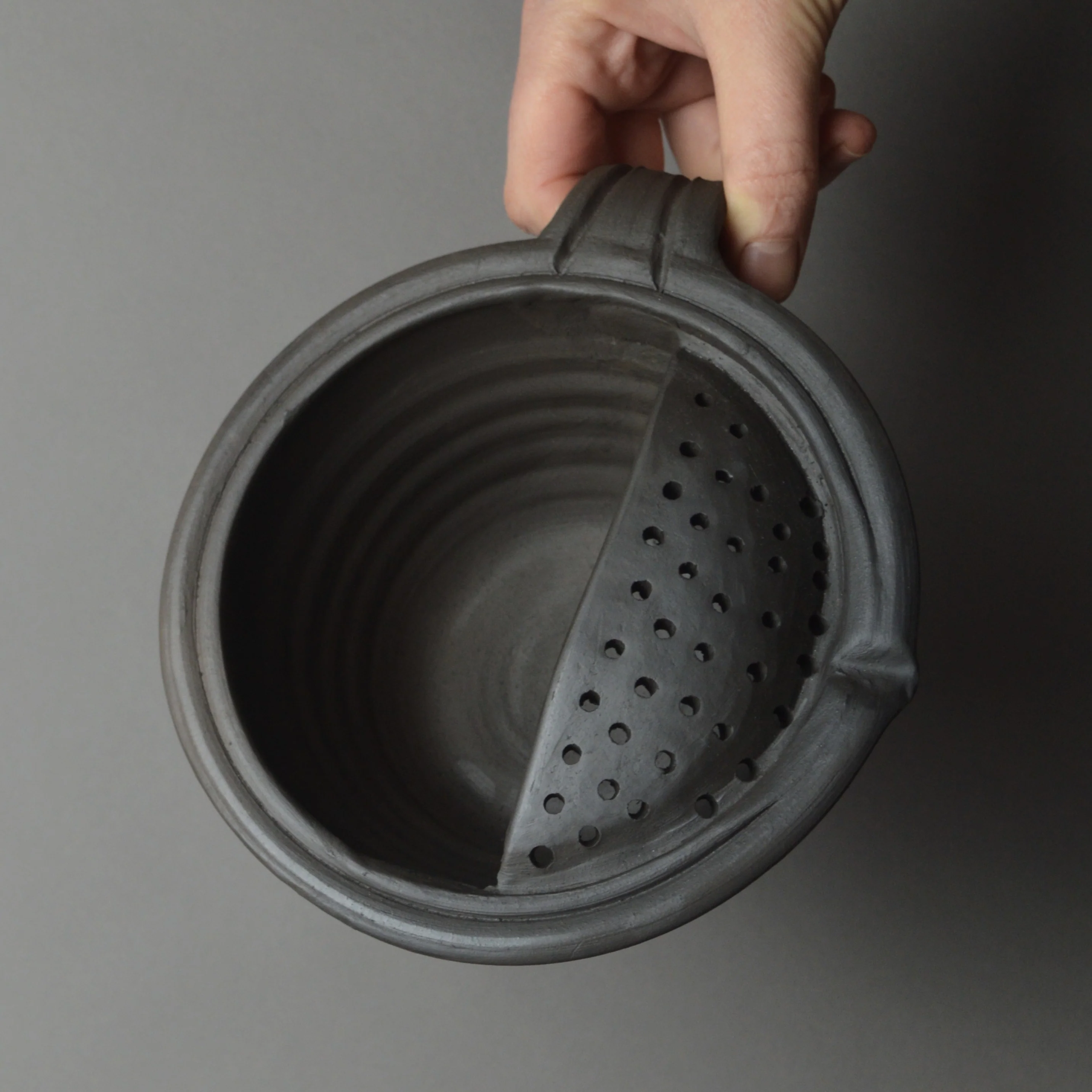
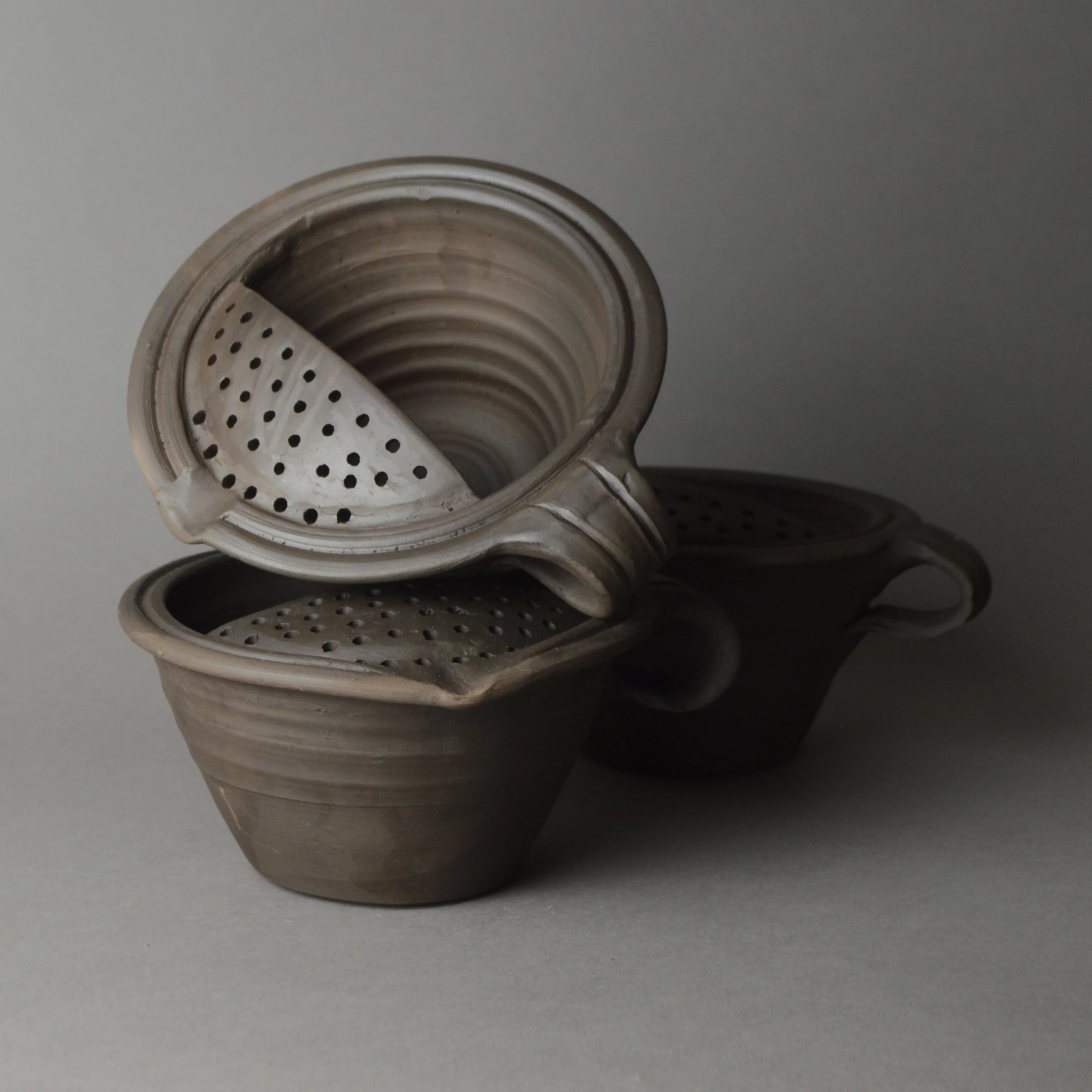
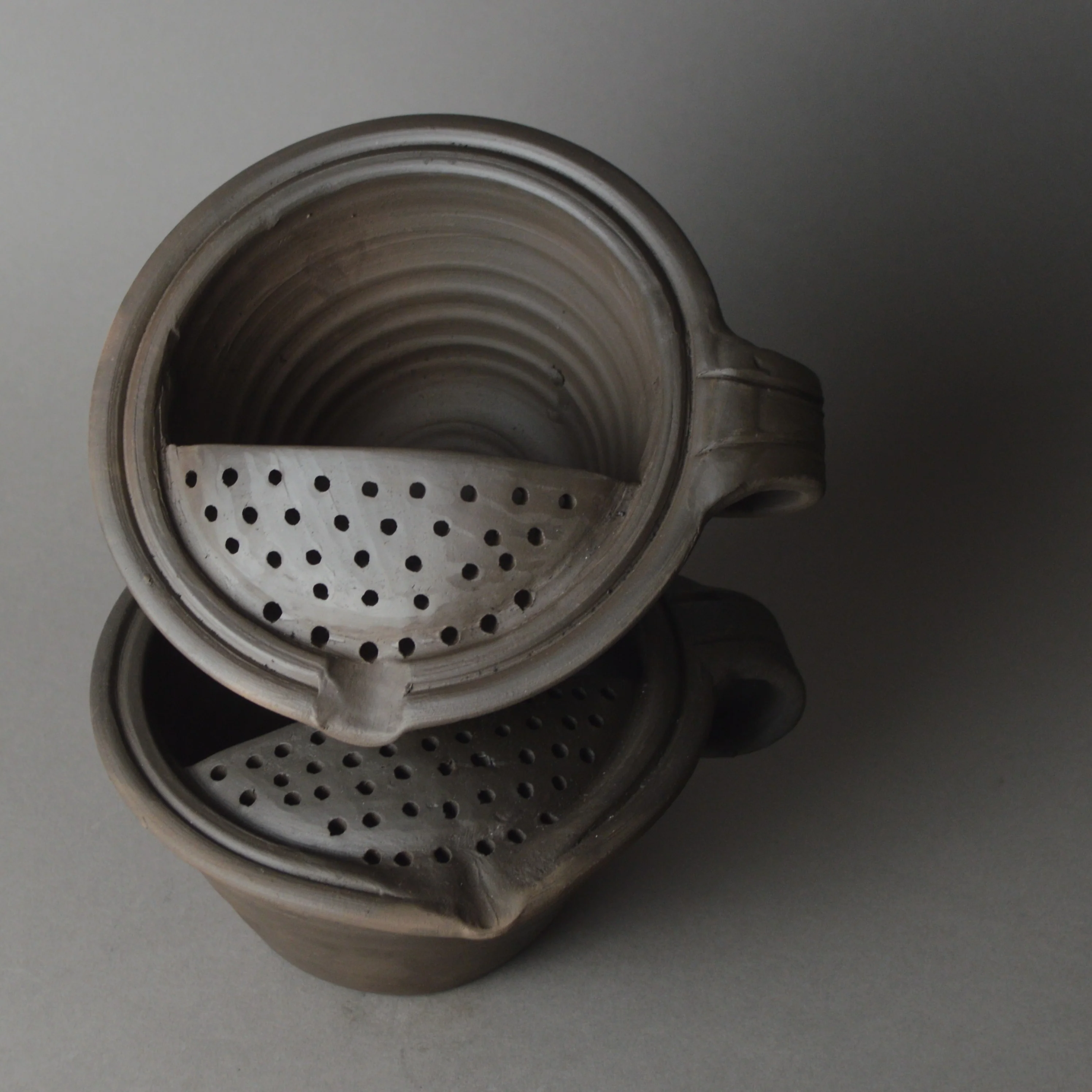
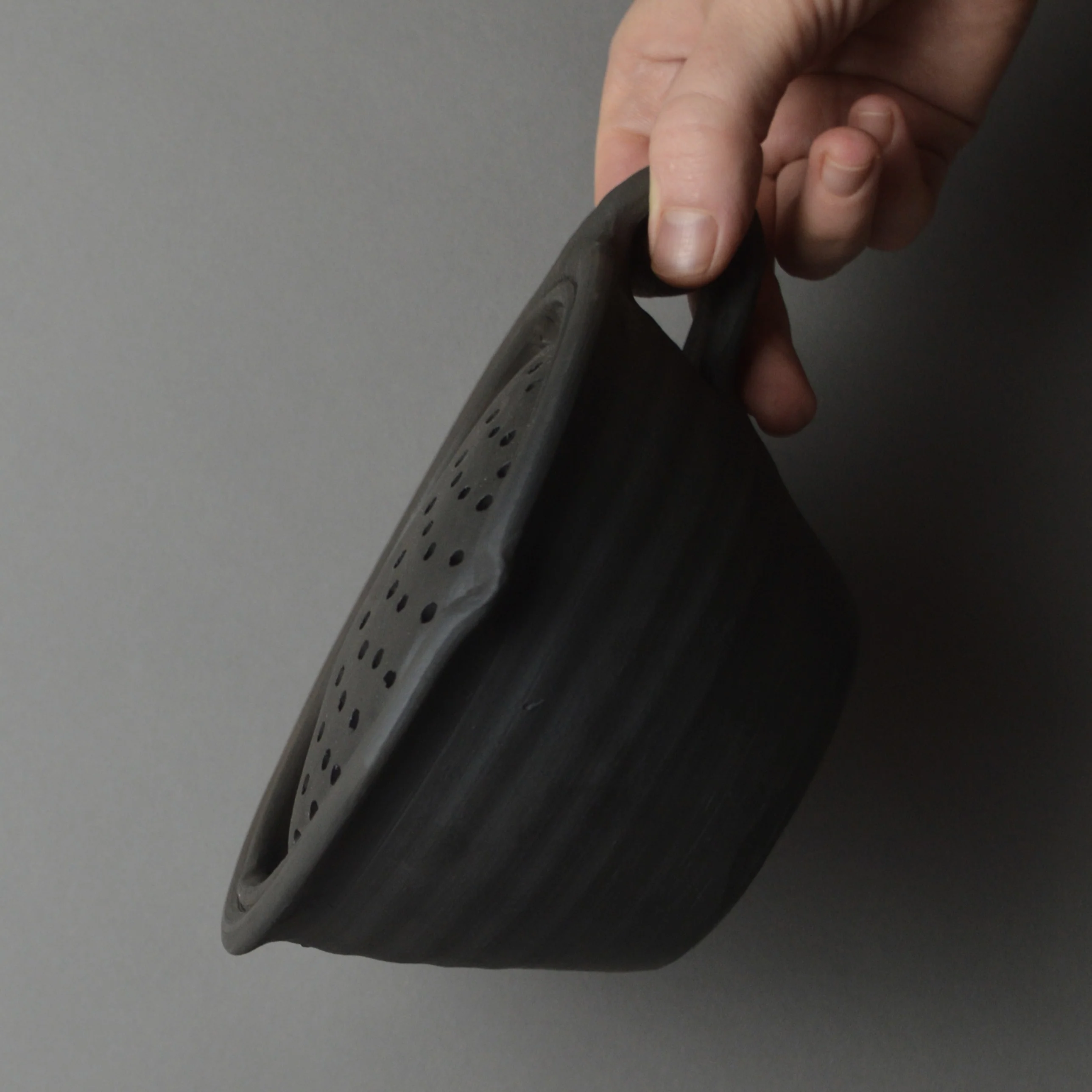
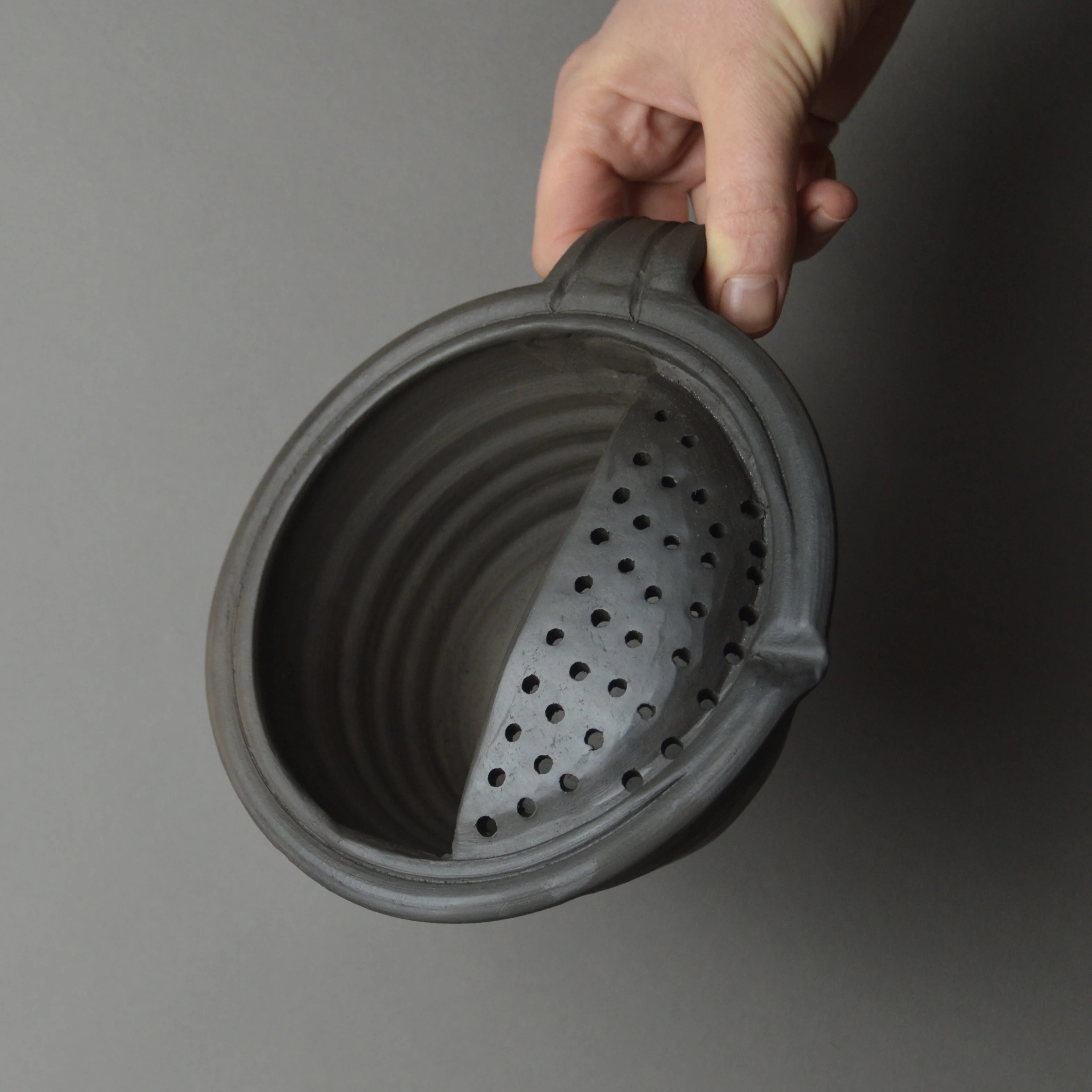
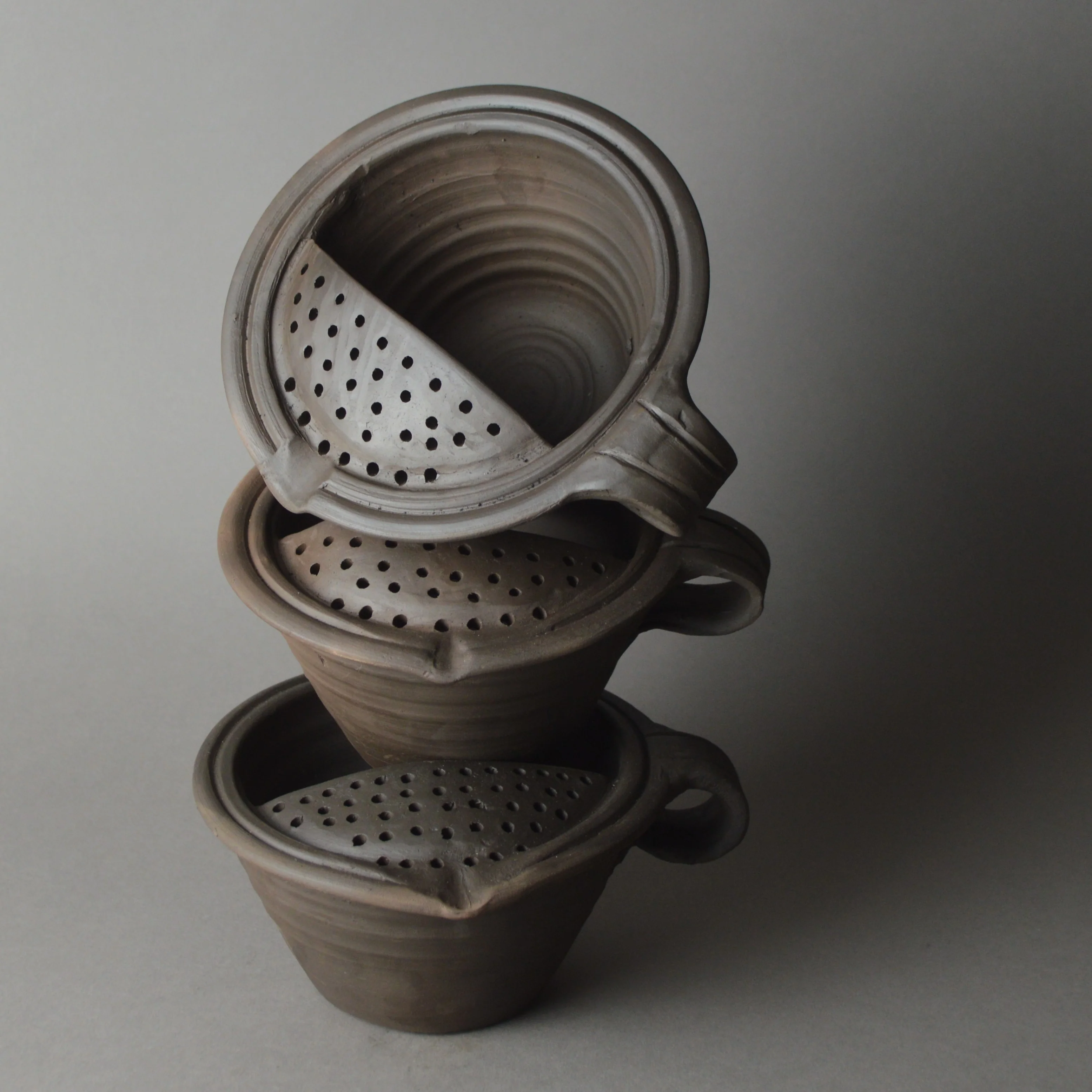
Handcrafted Replica Romano-British Straining Bowl – Inspired by the Durotriges
Details
This replica straining bowl is inspired by an original vessel discovered during excavations by the Durotriges Project, an archaeological investigation into prehistoric and Roman societies in central and southwestern Britain.
One of the primary goals of this research was to determine the extent to which Romanisation influenced Britain's native cultures and, perhaps more excitingly, to assess how much of their unique identity they retained during the 400 years of Roman occupation.
The Durotriges were a culturally distinct Iron Age tribe inhabiting a region roughly corresponding to modern-day Dorset, Wiltshire, and Somerset. While many previously believed that the Roman conquest in AD 43 erased native traditions, findings from the Durotriges Project suggest that this resilient people continued many of their unique customs and craftsmanship throughout the occupation.
One of their defining artistic traditions was their exquisitely burnished pottery, including these beautifully finished straining bowls. Unlike mass-produced Roman pottery, these pieces were labour-intensive, with the burnishing process alone taking over 45 minutes per bowl.
Purpose of the Straining Bowl
Although there is no definitive evidence for its exact use, this vessel was likely a practical kitchen tool. Ancient cooks may have used it to strain various foods and beverages, serving a purpose much like modern kitchen sieves.
Materials
Earthenware, terracotta. Fired in reduction conditions.
Dimensions
- Height: Approx. 110 mm
- Diameter: Approx. 160 mm
Production
This museum-quality replica has been entirely handmade in Northumberland by Potted History, inspired by original artefacts.
- Handcrafted using traditional Romano-British techniques
- Fired between 800°C - 1,000°C to replicate the authentic process
- Each piece is unique, with variations in surface colour and texture, just as seen in original Roman pottery
- Due to natural firing variations, you may not receive the exact strainer pictured, but we will select one that closely matches your chosen colour preference
Health & Safety
- Museum-Quality Replica: Created using historically accurate tools and techniques.
- Unglazed and porous surface: As with the originals, this bowl absorbs flavours over time, which may have enhanced the taste of dishes in ancient times.
- Not suitable for modern cooking: Due to its porous nature, this vessel does not meet modern health and safety standards for food use.
- Ancient cooking practices: Historical cooks relied on heating their pots and contents above 70°C for at least 10 minutes to kill bacteria, with temperatures of 100°C providing even greater protection.
Ordering Information
- 'Add to Basket' Items: Ready to ship immediately.
- 'Pre-order' Items: Handmade to order within 90 days (longer for international orders). If your order includes both 'Add to Basket' and 'Pre-order' items, they will be shipped together once all items are ready.
Shipping
- Standard shipping: Sent via second-class postal service.
- Faster delivery: If you require first-class shipping, please contact us for a custom quote.
Honour the craftsmanship of ancient Britain – order today and own a piece of Romano-British history!
Original: $98.46
-70%$98.46
$29.54Product Information
Product Information
Shipping & Returns
Shipping & Returns
Description
Handcrafted Replica Romano-British Straining Bowl – Inspired by the Durotriges
Details
This replica straining bowl is inspired by an original vessel discovered during excavations by the Durotriges Project, an archaeological investigation into prehistoric and Roman societies in central and southwestern Britain.
One of the primary goals of this research was to determine the extent to which Romanisation influenced Britain's native cultures and, perhaps more excitingly, to assess how much of their unique identity they retained during the 400 years of Roman occupation.
The Durotriges were a culturally distinct Iron Age tribe inhabiting a region roughly corresponding to modern-day Dorset, Wiltshire, and Somerset. While many previously believed that the Roman conquest in AD 43 erased native traditions, findings from the Durotriges Project suggest that this resilient people continued many of their unique customs and craftsmanship throughout the occupation.
One of their defining artistic traditions was their exquisitely burnished pottery, including these beautifully finished straining bowls. Unlike mass-produced Roman pottery, these pieces were labour-intensive, with the burnishing process alone taking over 45 minutes per bowl.
Purpose of the Straining Bowl
Although there is no definitive evidence for its exact use, this vessel was likely a practical kitchen tool. Ancient cooks may have used it to strain various foods and beverages, serving a purpose much like modern kitchen sieves.
Materials
Earthenware, terracotta. Fired in reduction conditions.
Dimensions
- Height: Approx. 110 mm
- Diameter: Approx. 160 mm
Production
This museum-quality replica has been entirely handmade in Northumberland by Potted History, inspired by original artefacts.
- Handcrafted using traditional Romano-British techniques
- Fired between 800°C - 1,000°C to replicate the authentic process
- Each piece is unique, with variations in surface colour and texture, just as seen in original Roman pottery
- Due to natural firing variations, you may not receive the exact strainer pictured, but we will select one that closely matches your chosen colour preference
Health & Safety
- Museum-Quality Replica: Created using historically accurate tools and techniques.
- Unglazed and porous surface: As with the originals, this bowl absorbs flavours over time, which may have enhanced the taste of dishes in ancient times.
- Not suitable for modern cooking: Due to its porous nature, this vessel does not meet modern health and safety standards for food use.
- Ancient cooking practices: Historical cooks relied on heating their pots and contents above 70°C for at least 10 minutes to kill bacteria, with temperatures of 100°C providing even greater protection.
Ordering Information
- 'Add to Basket' Items: Ready to ship immediately.
- 'Pre-order' Items: Handmade to order within 90 days (longer for international orders). If your order includes both 'Add to Basket' and 'Pre-order' items, they will be shipped together once all items are ready.
Shipping
- Standard shipping: Sent via second-class postal service.
- Faster delivery: If you require first-class shipping, please contact us for a custom quote.
Honour the craftsmanship of ancient Britain – order today and own a piece of Romano-British history!