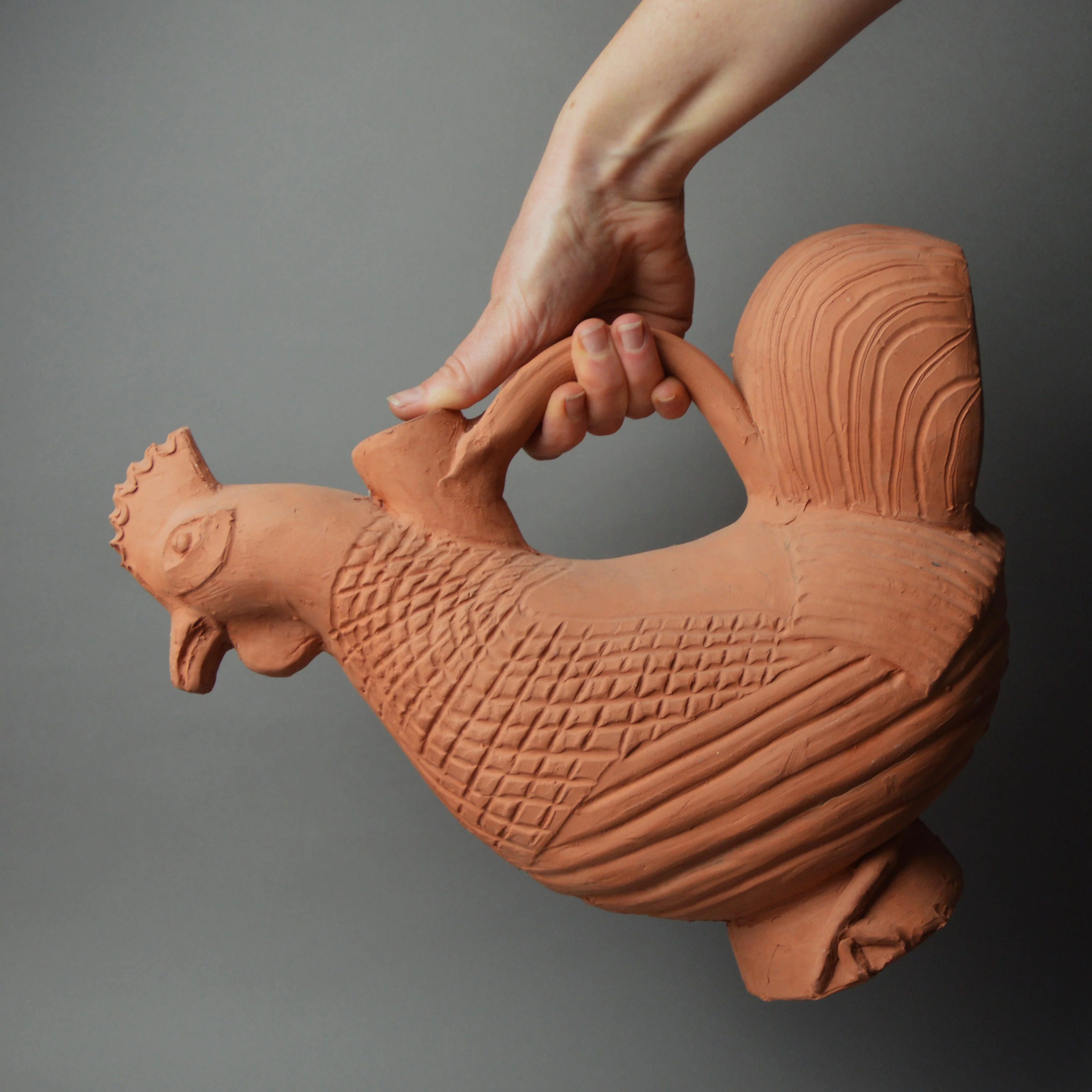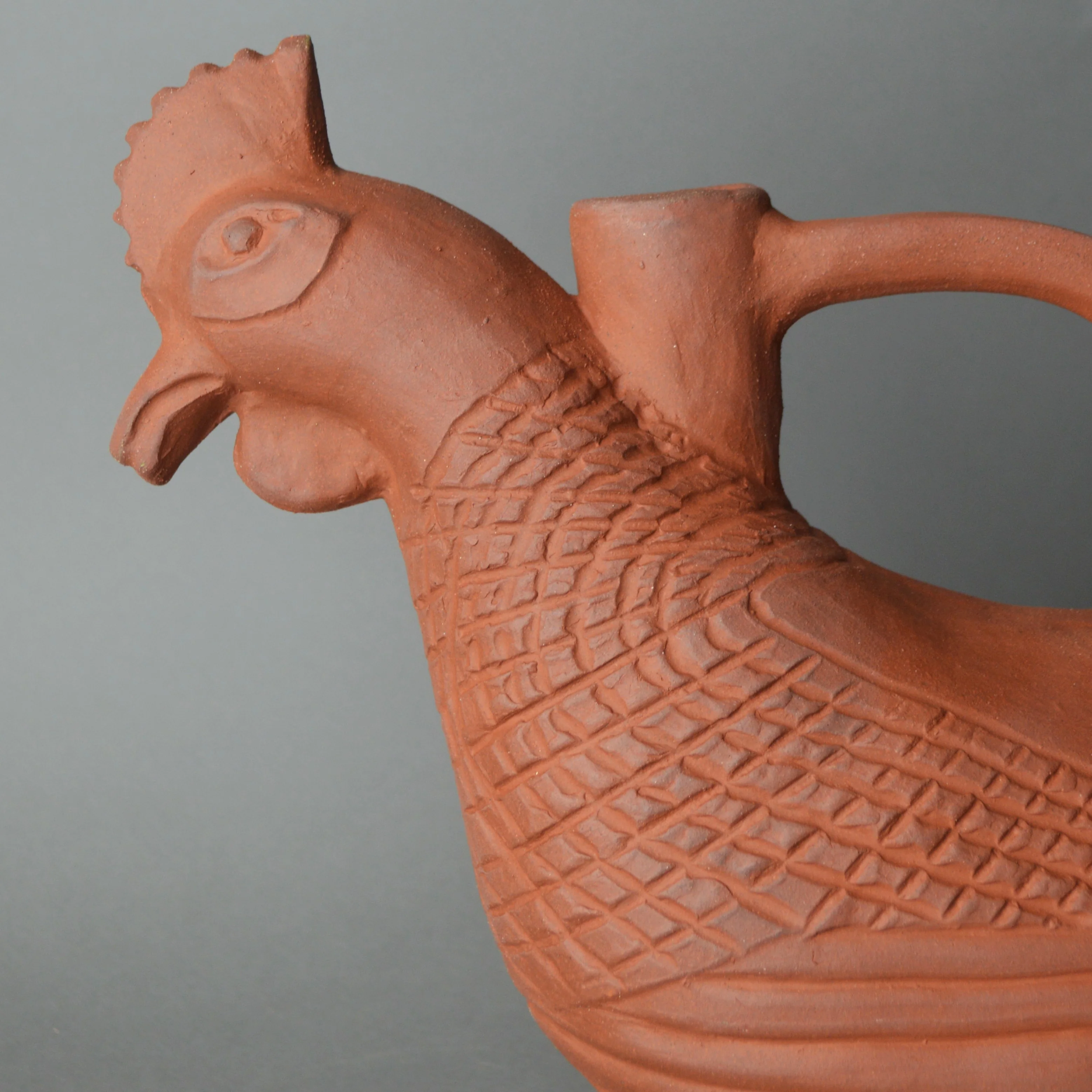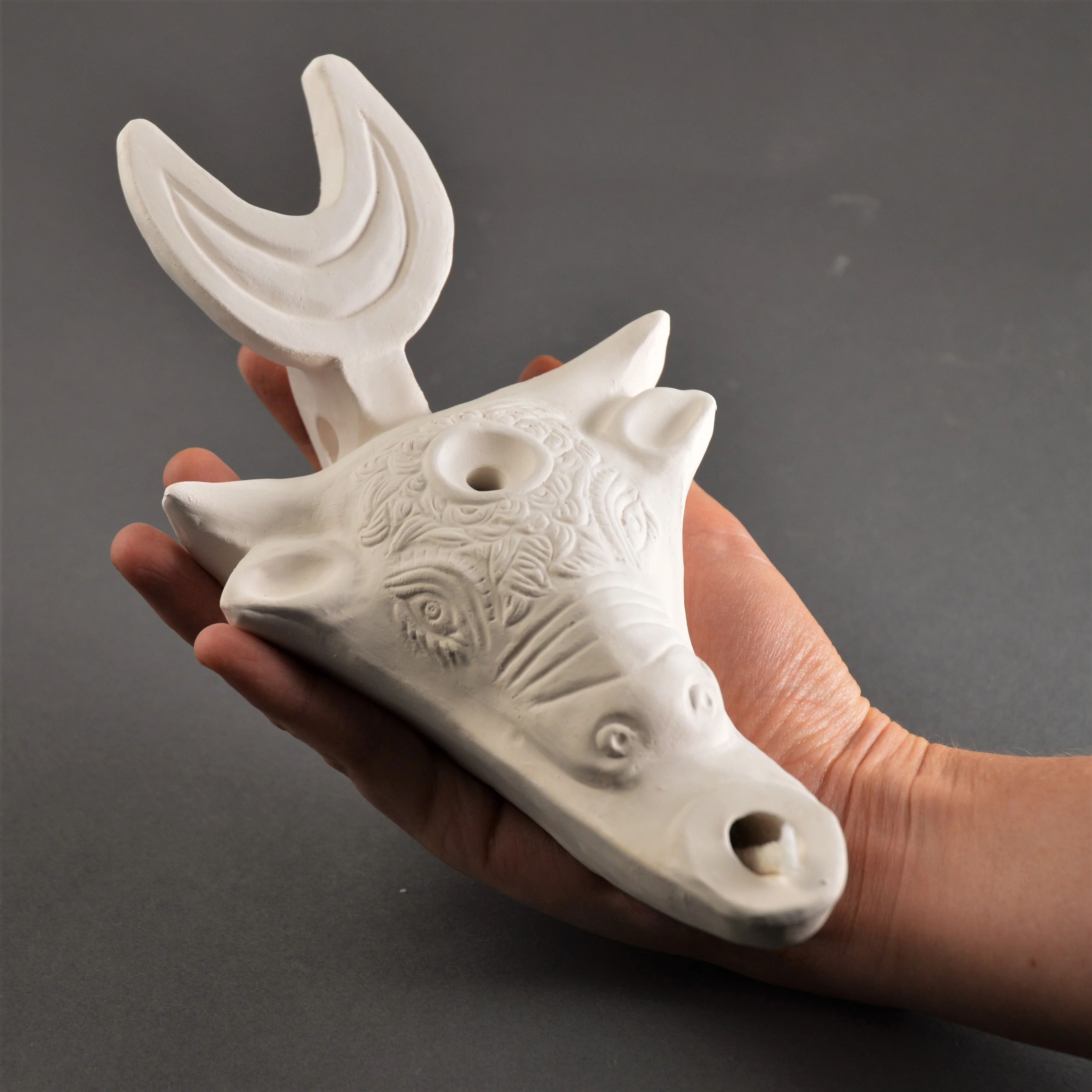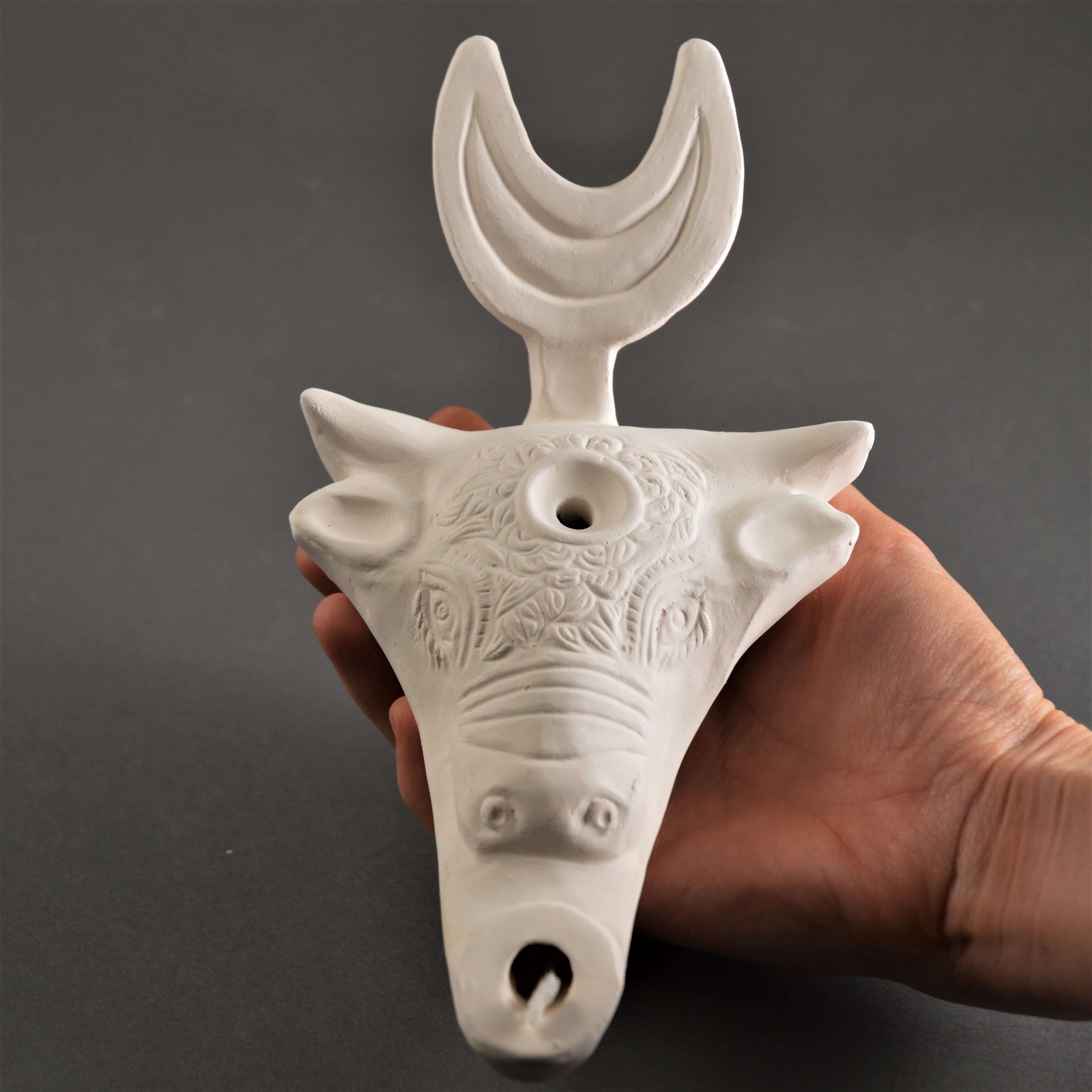
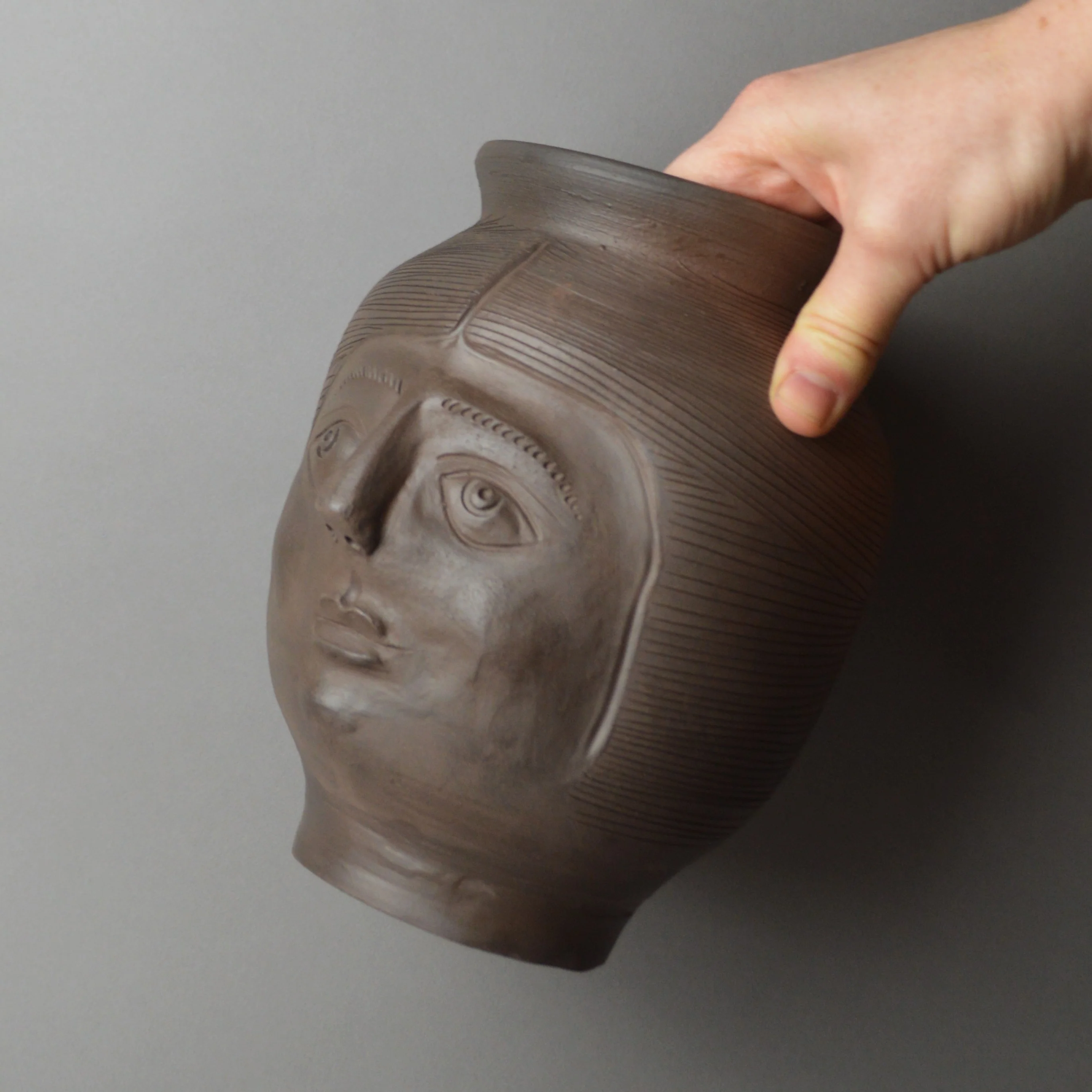
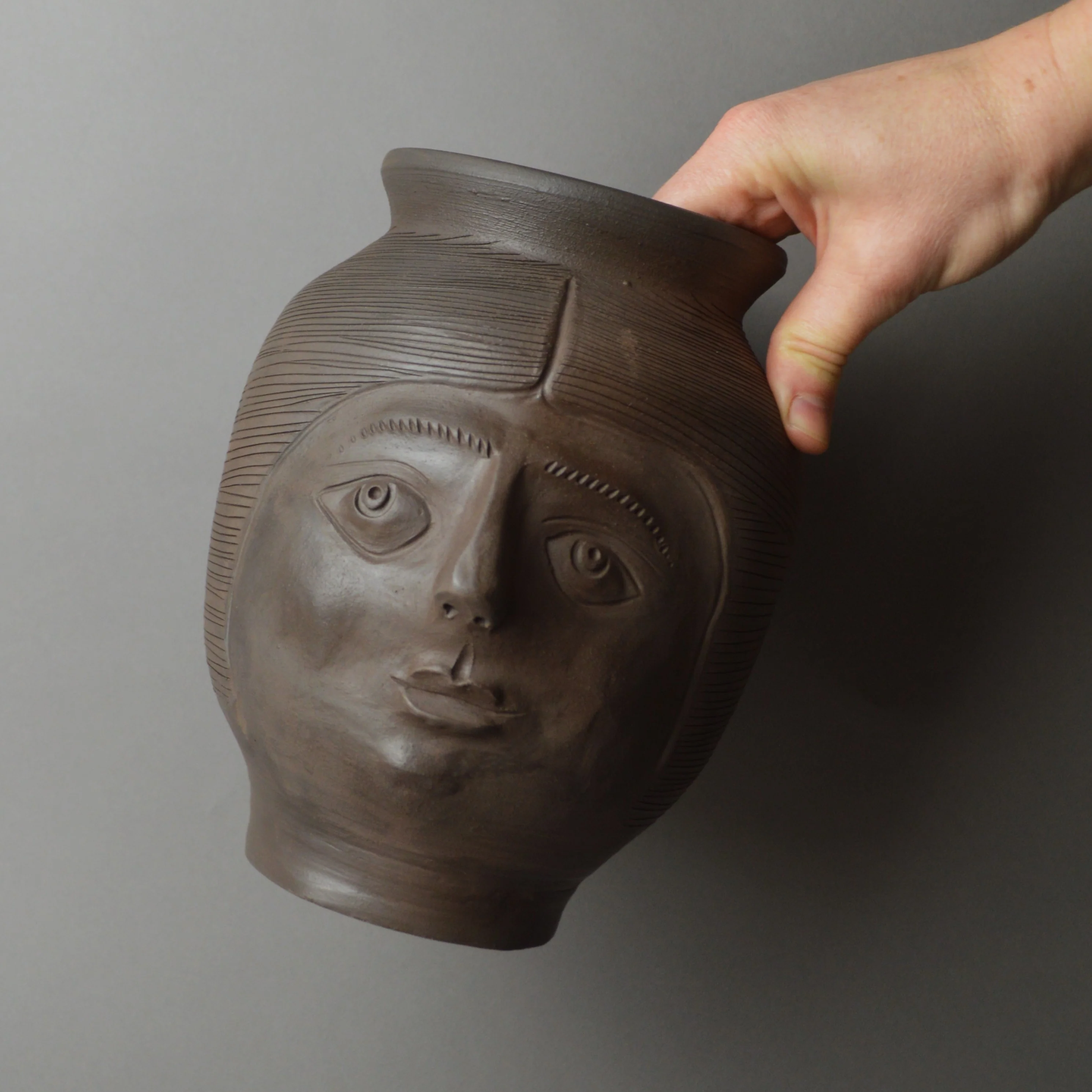
Julia Domna Headpot
Handcrafted Replica Roman Head Pot – Inspired by the York Collection
Details
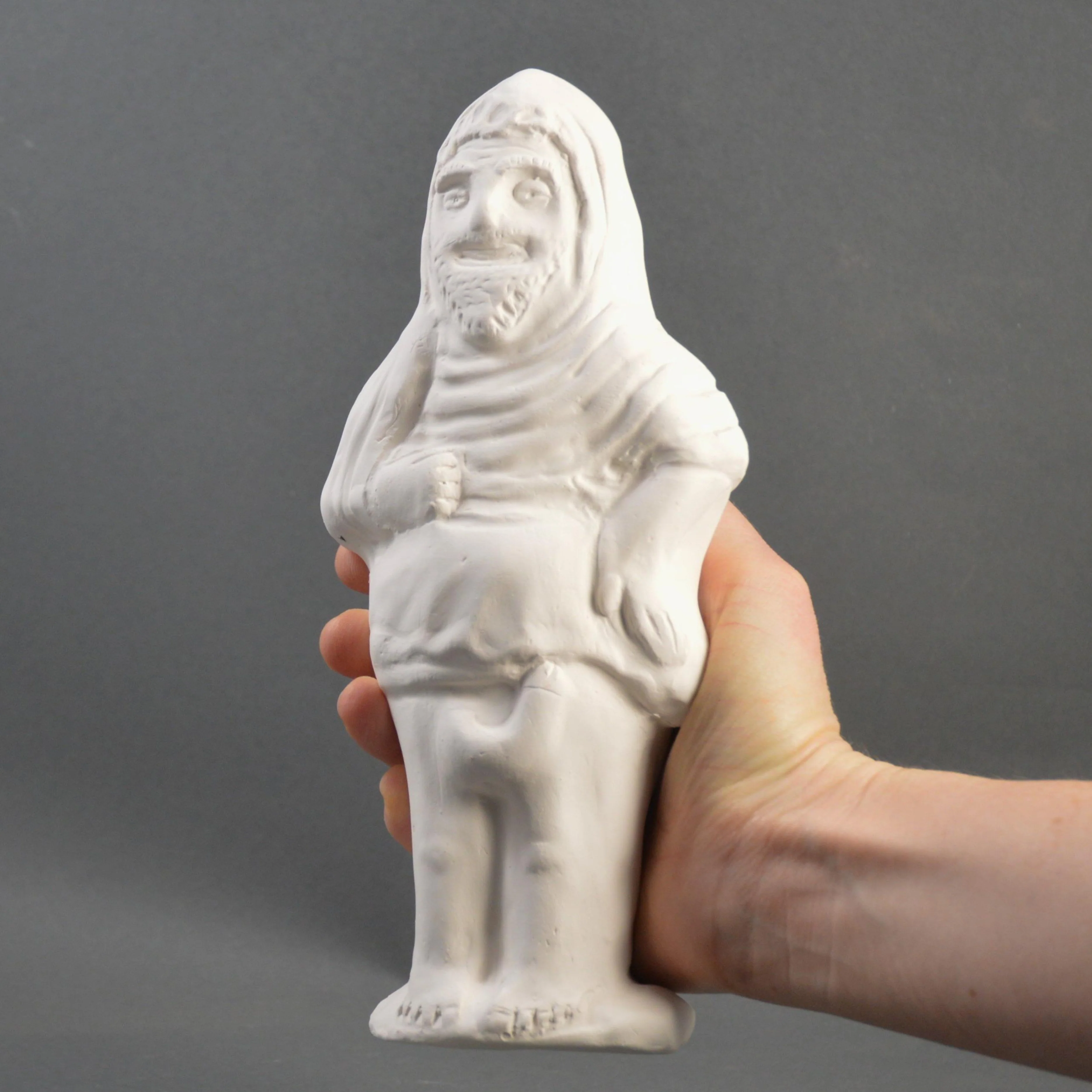
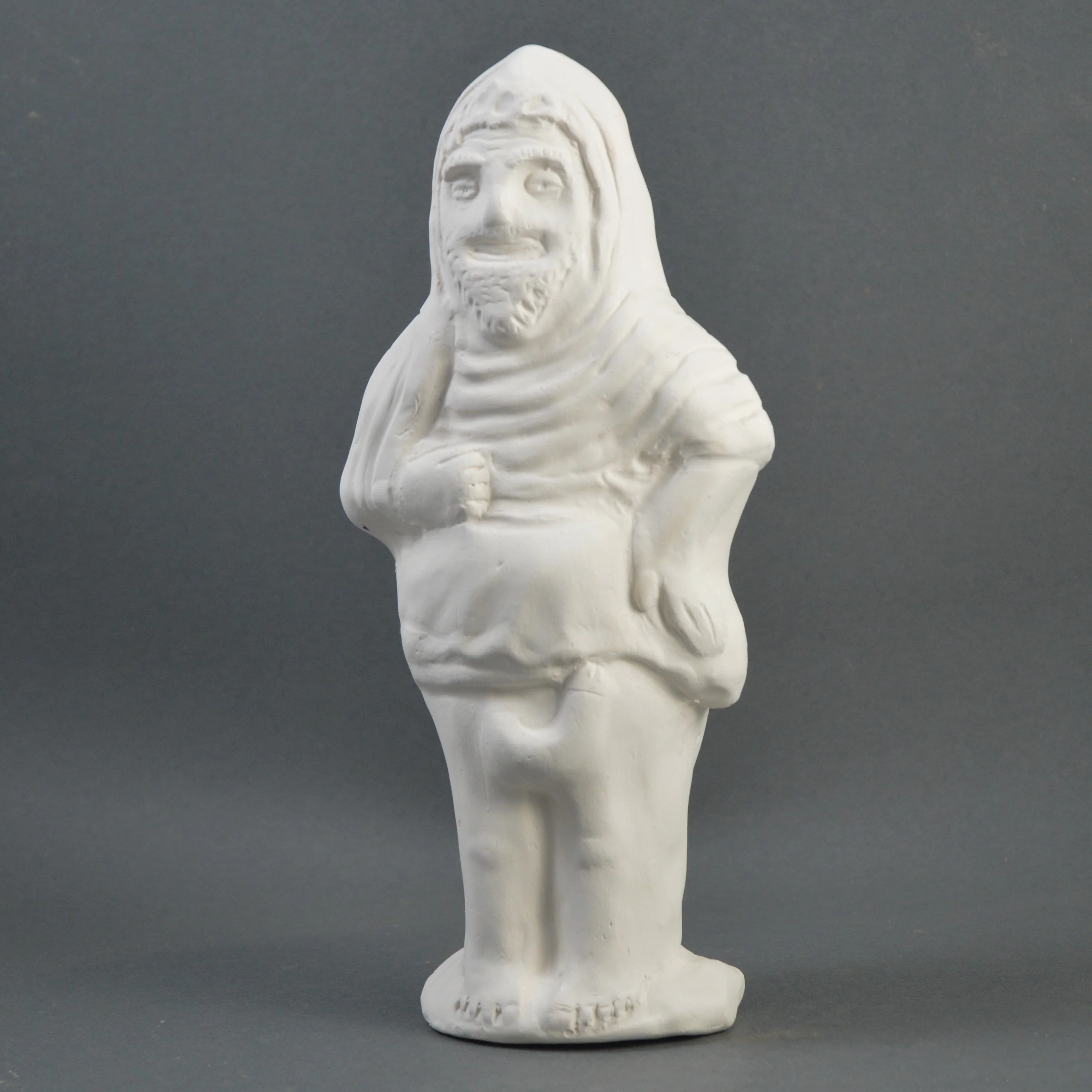
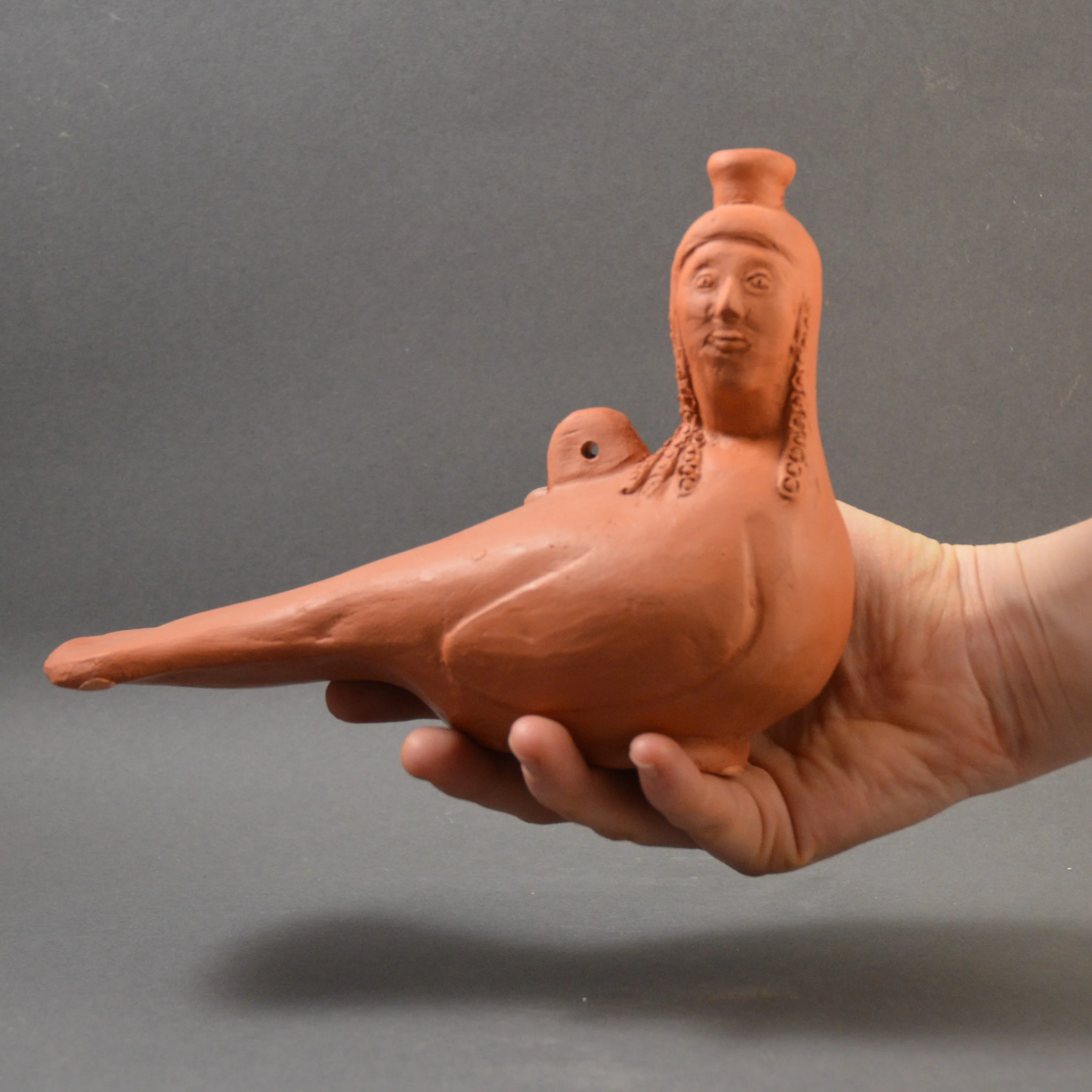
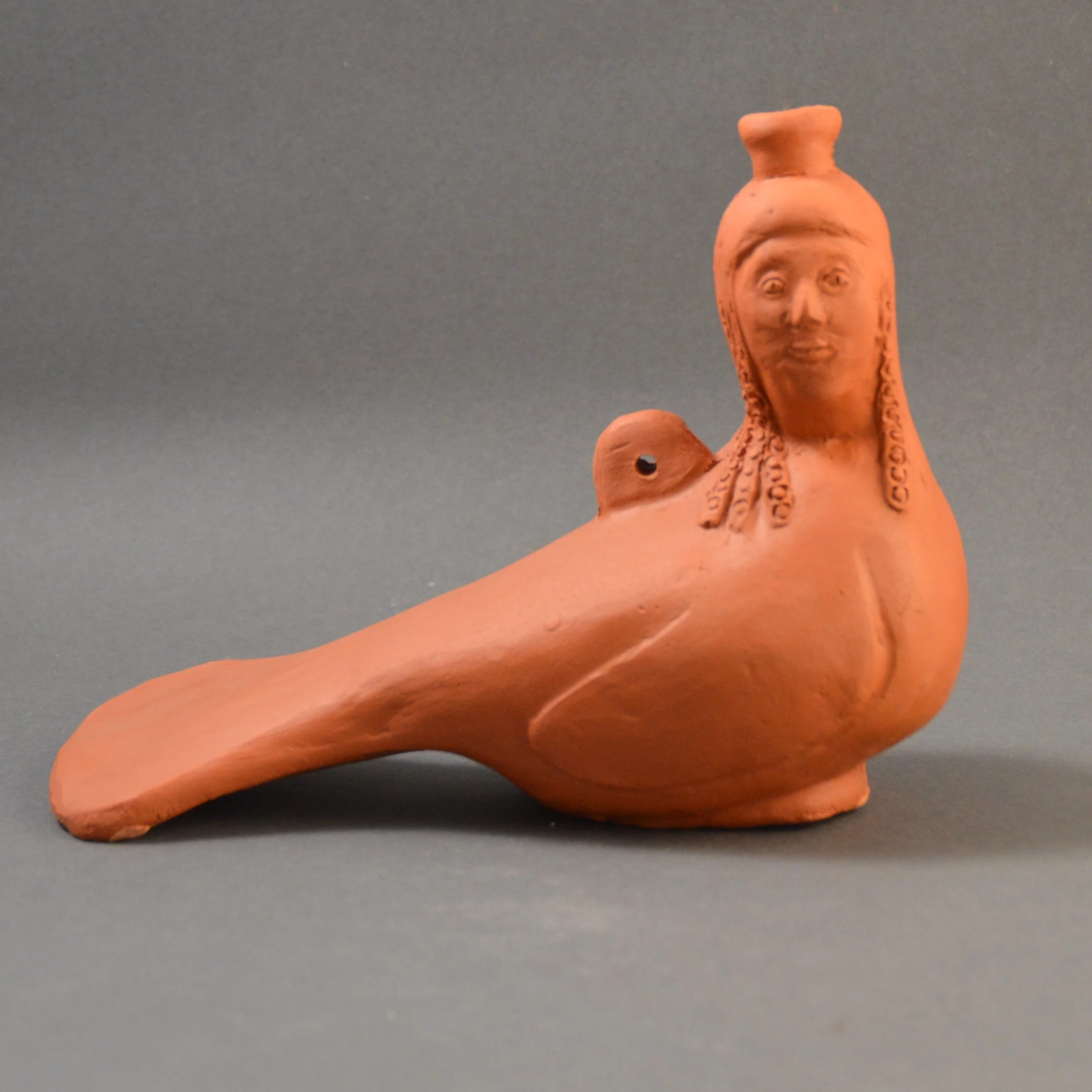
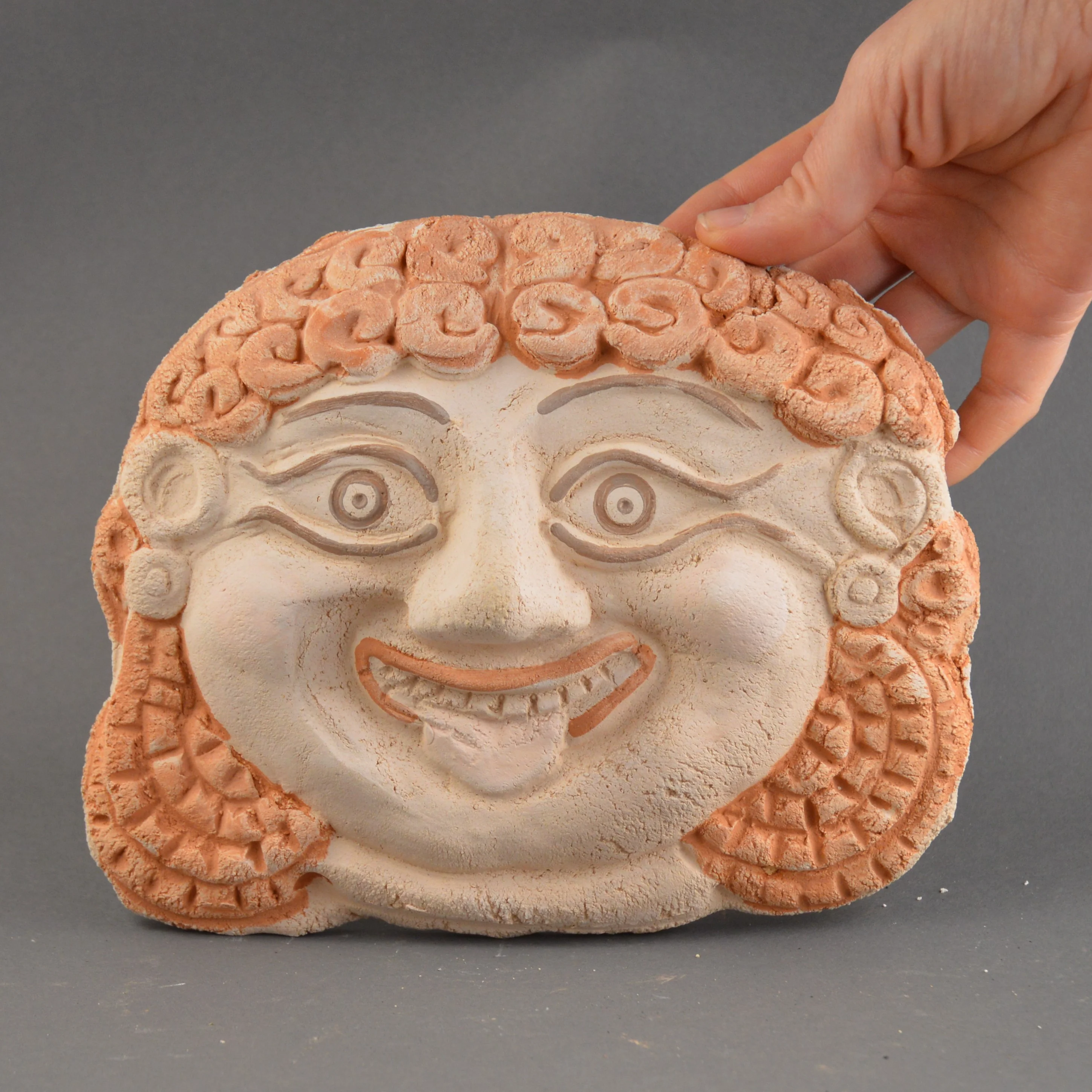
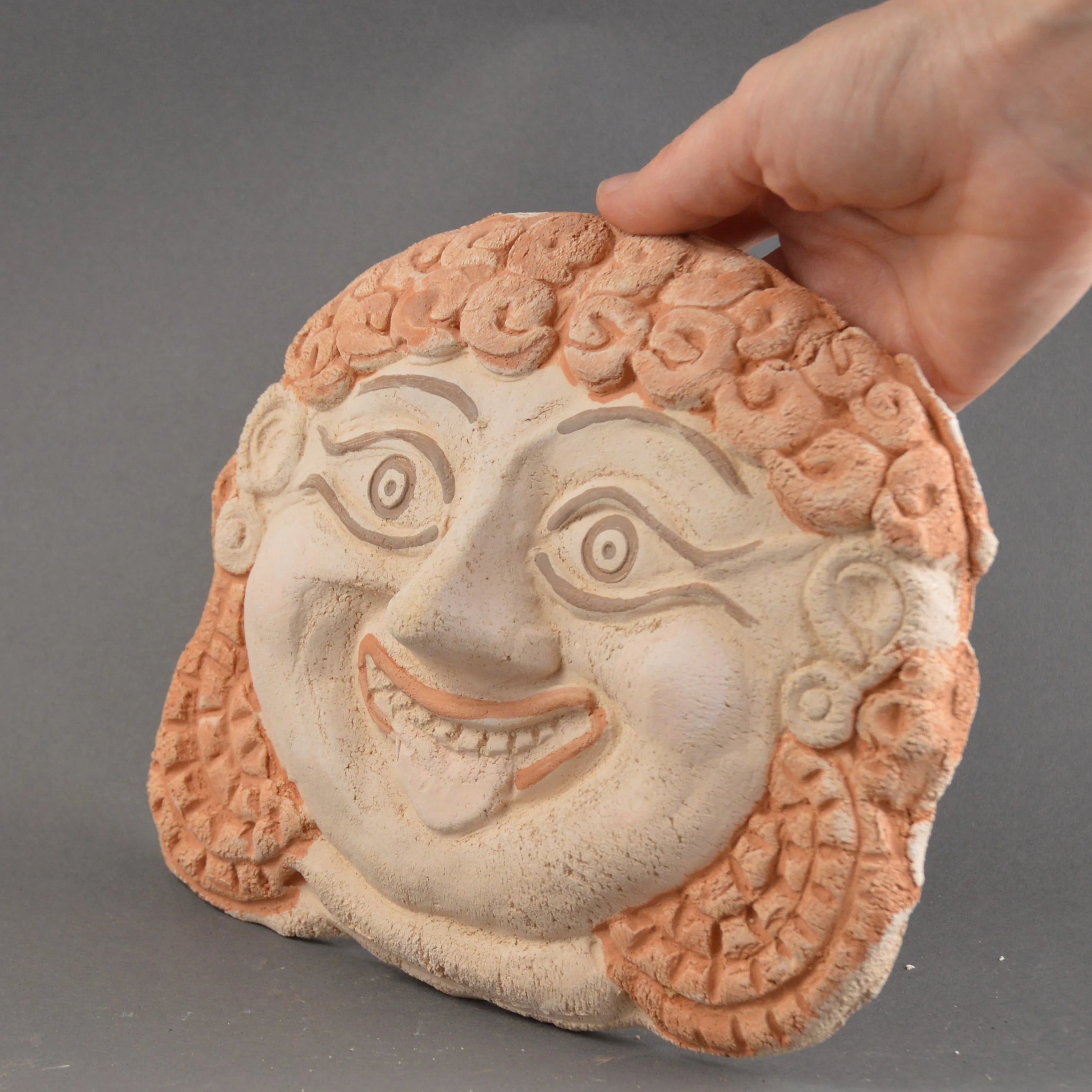
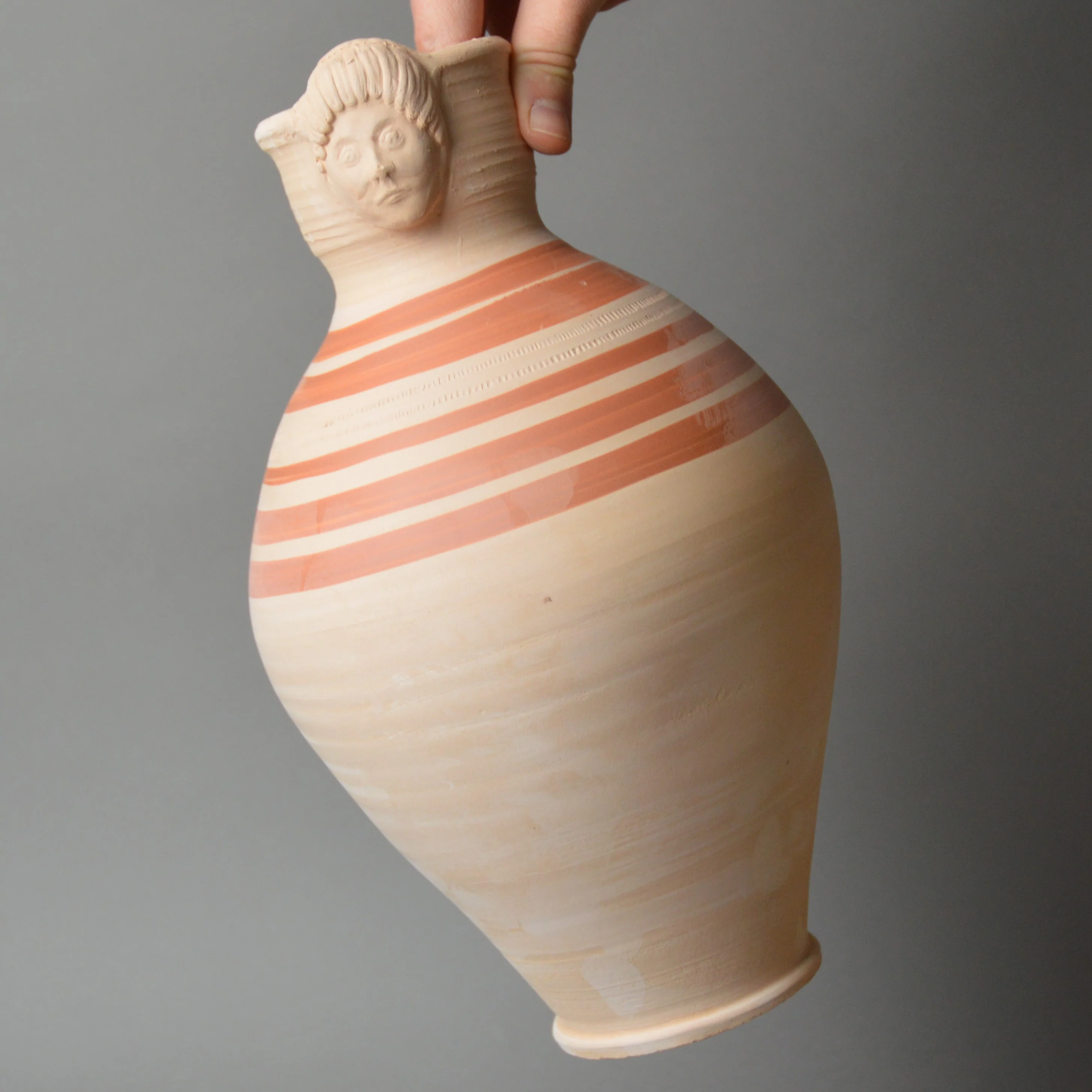
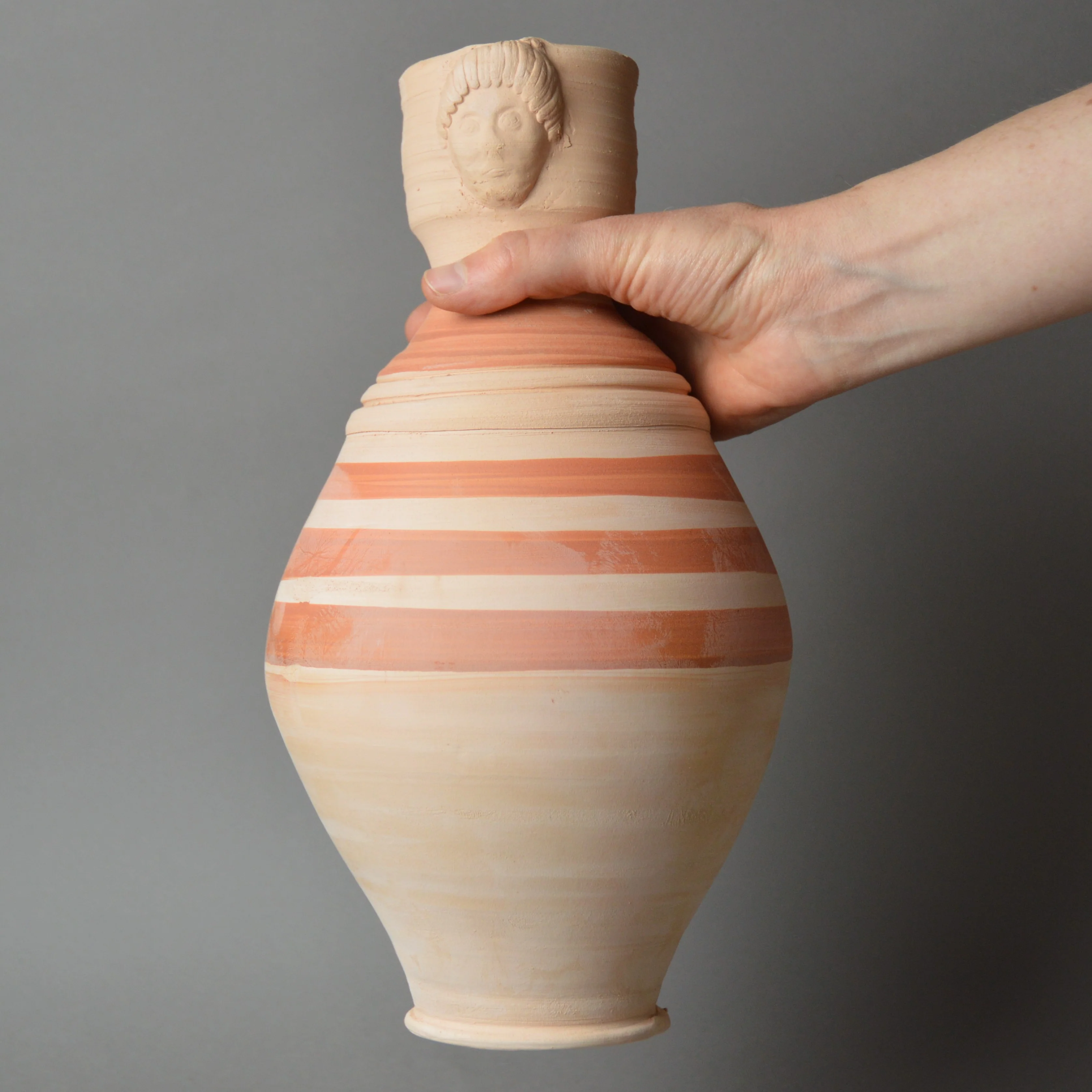
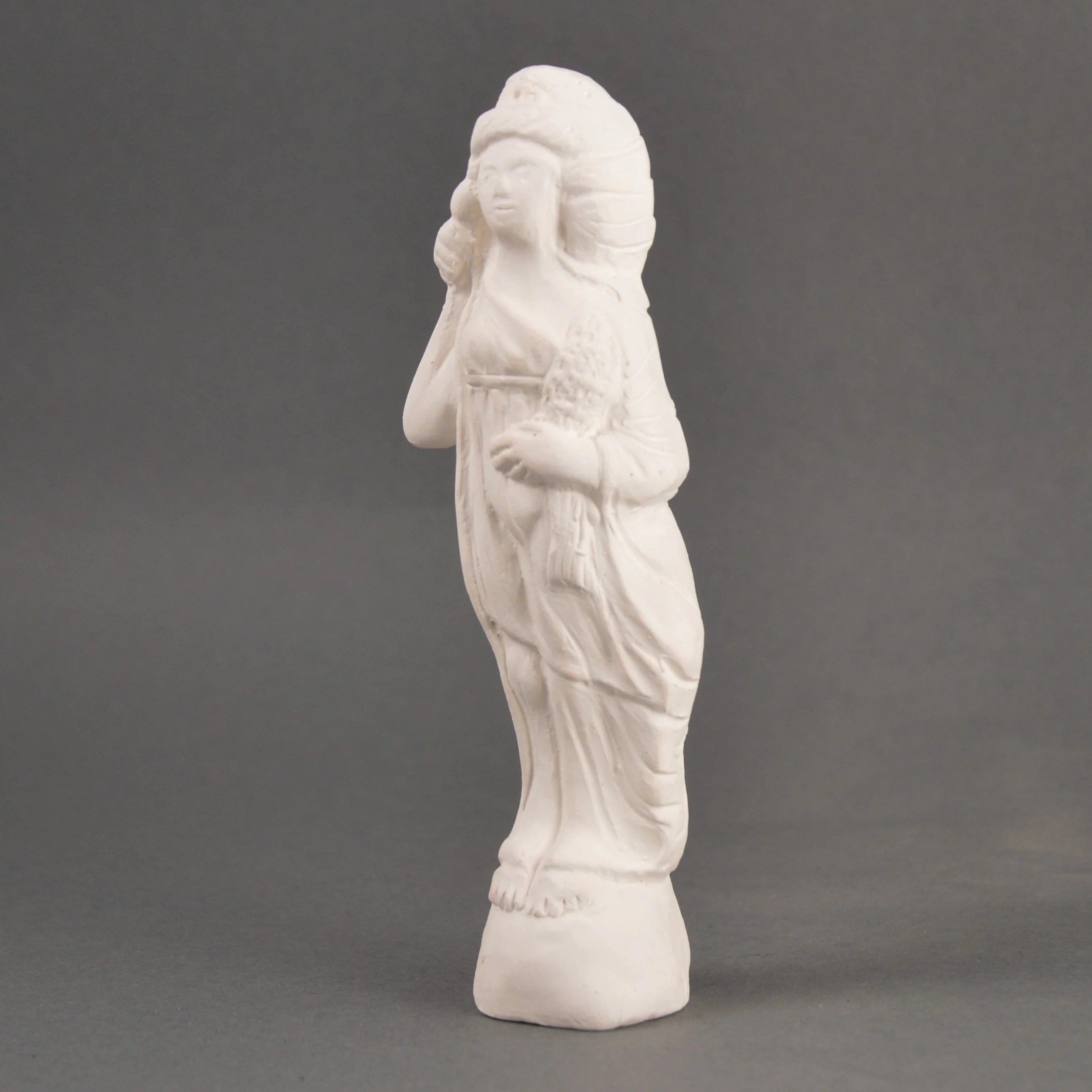
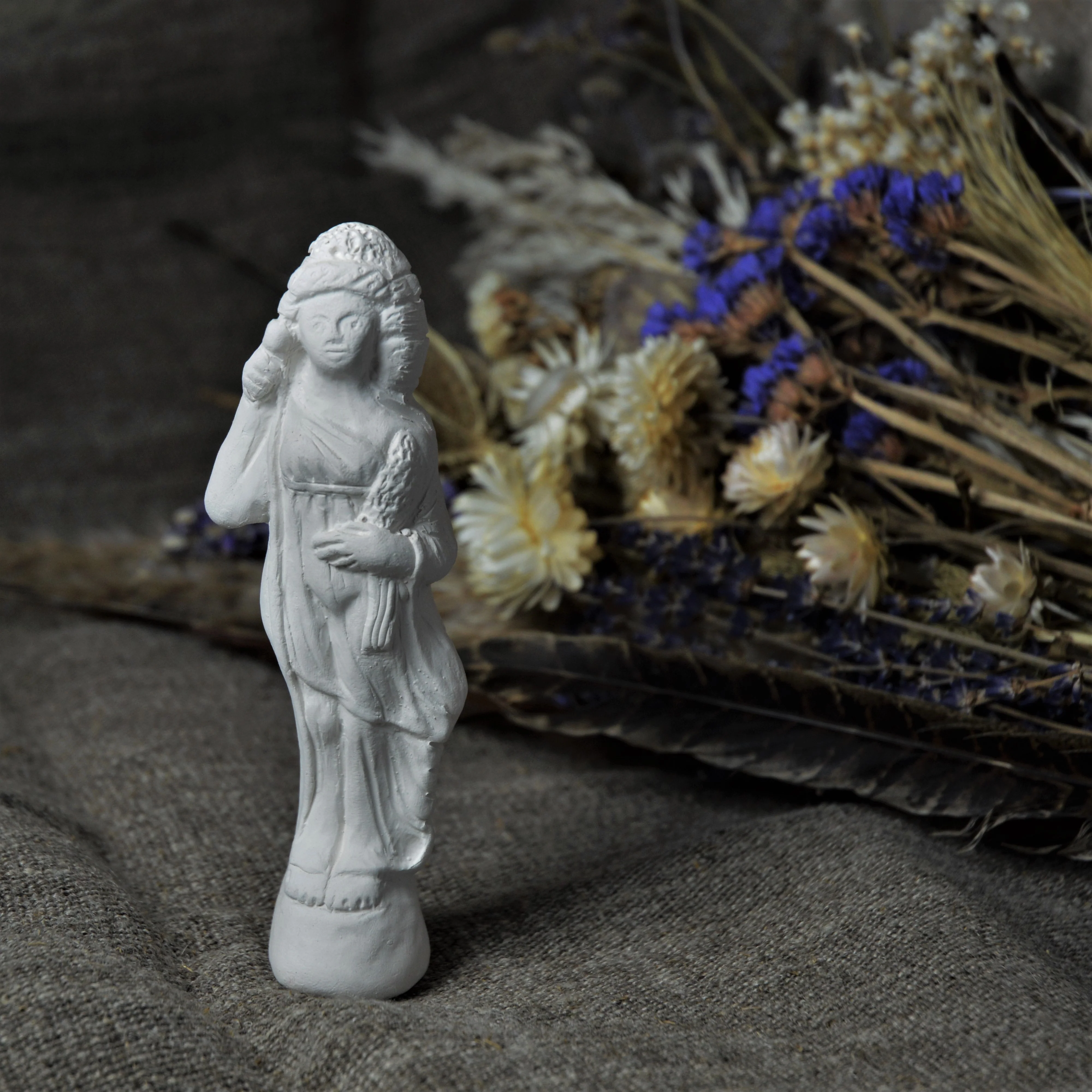
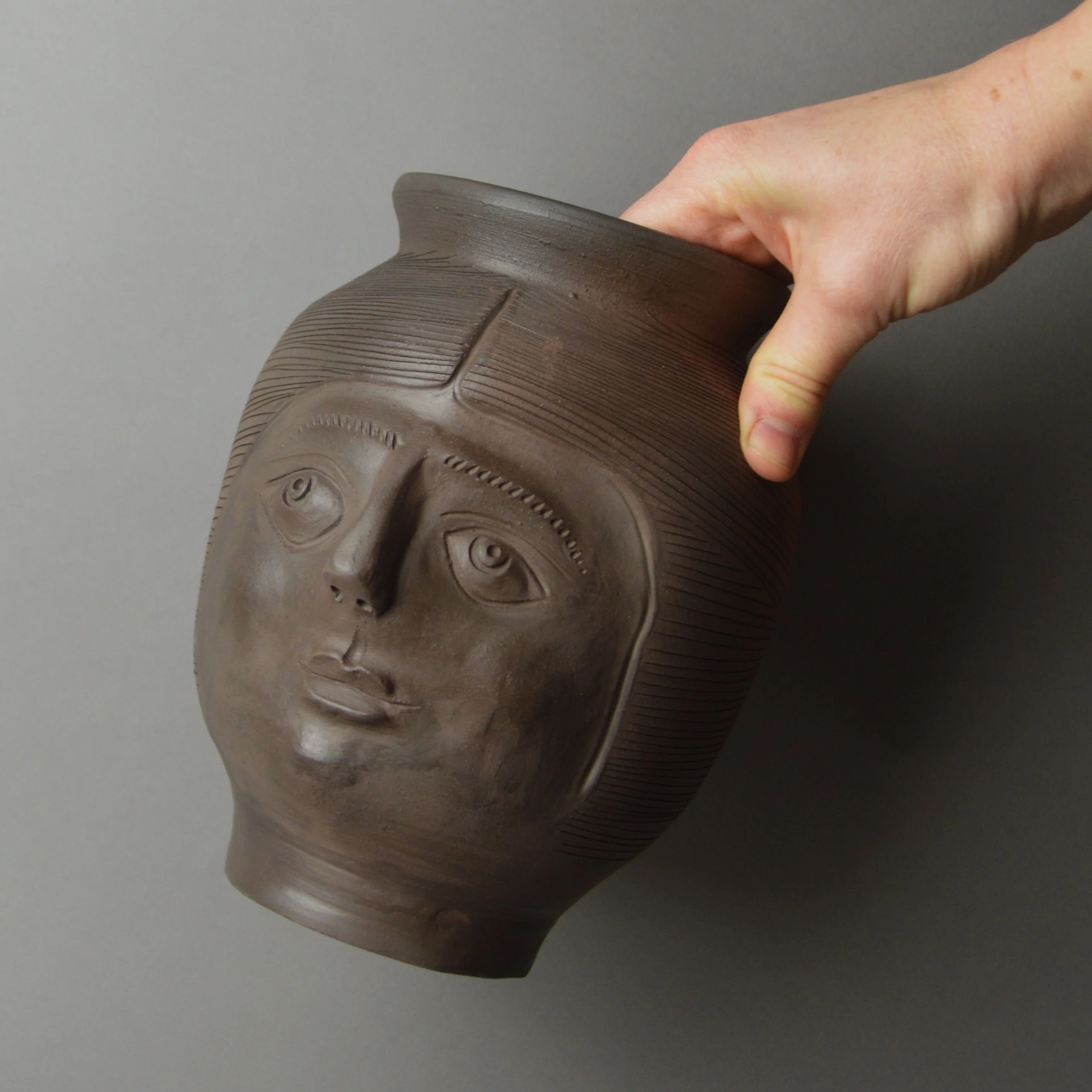
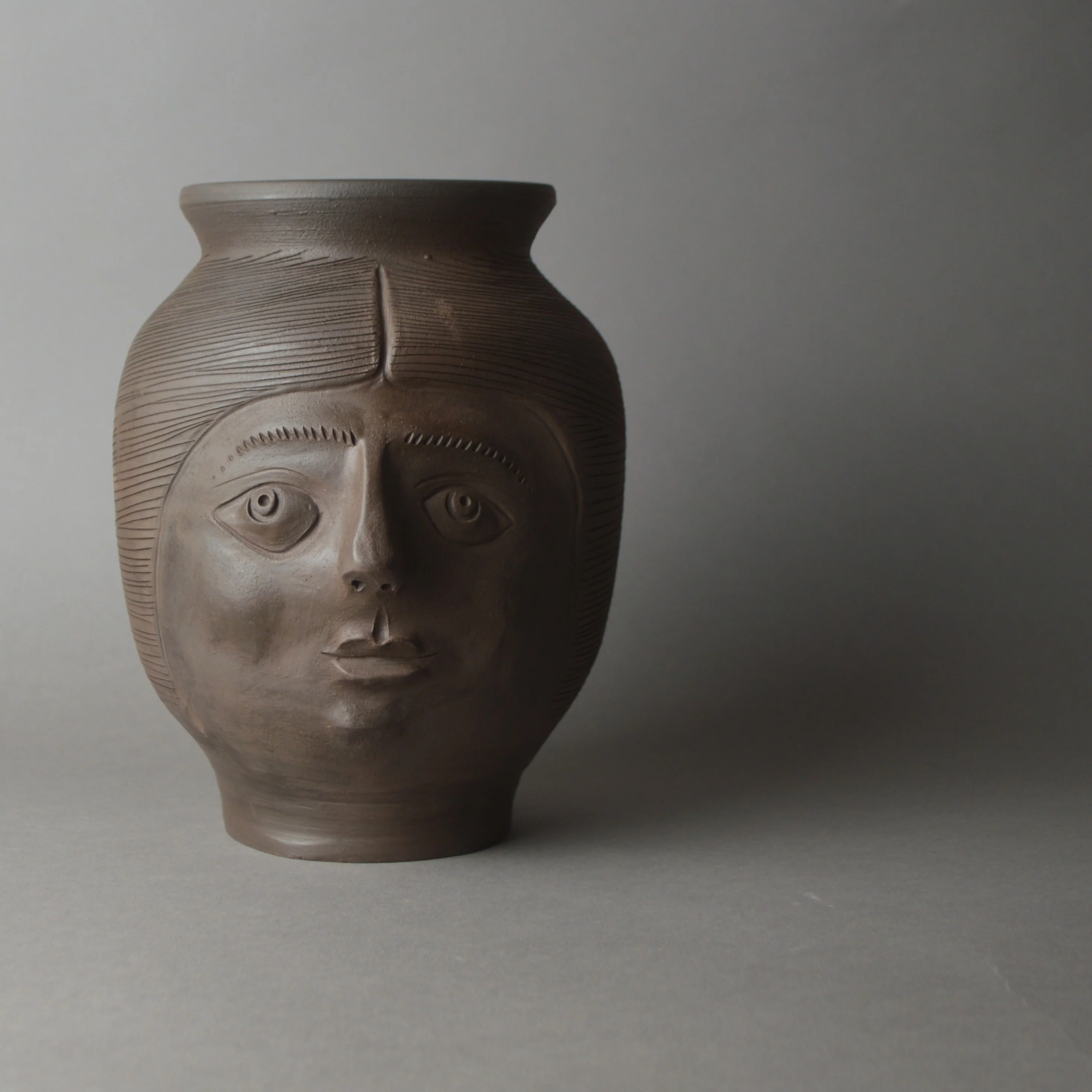
This stunning head pot replica is based on one of the 50 head pots or face urns discovered in York, a city founded by the Romans in 71 AD. What makes this particular find exceptional is that, despite being unearthed in fragmented pieces, every piece was recovered, allowing archaeologists to painstakingly reconstruct it to its original form—a testament to the endurance of ancient artefacts over the centuries.
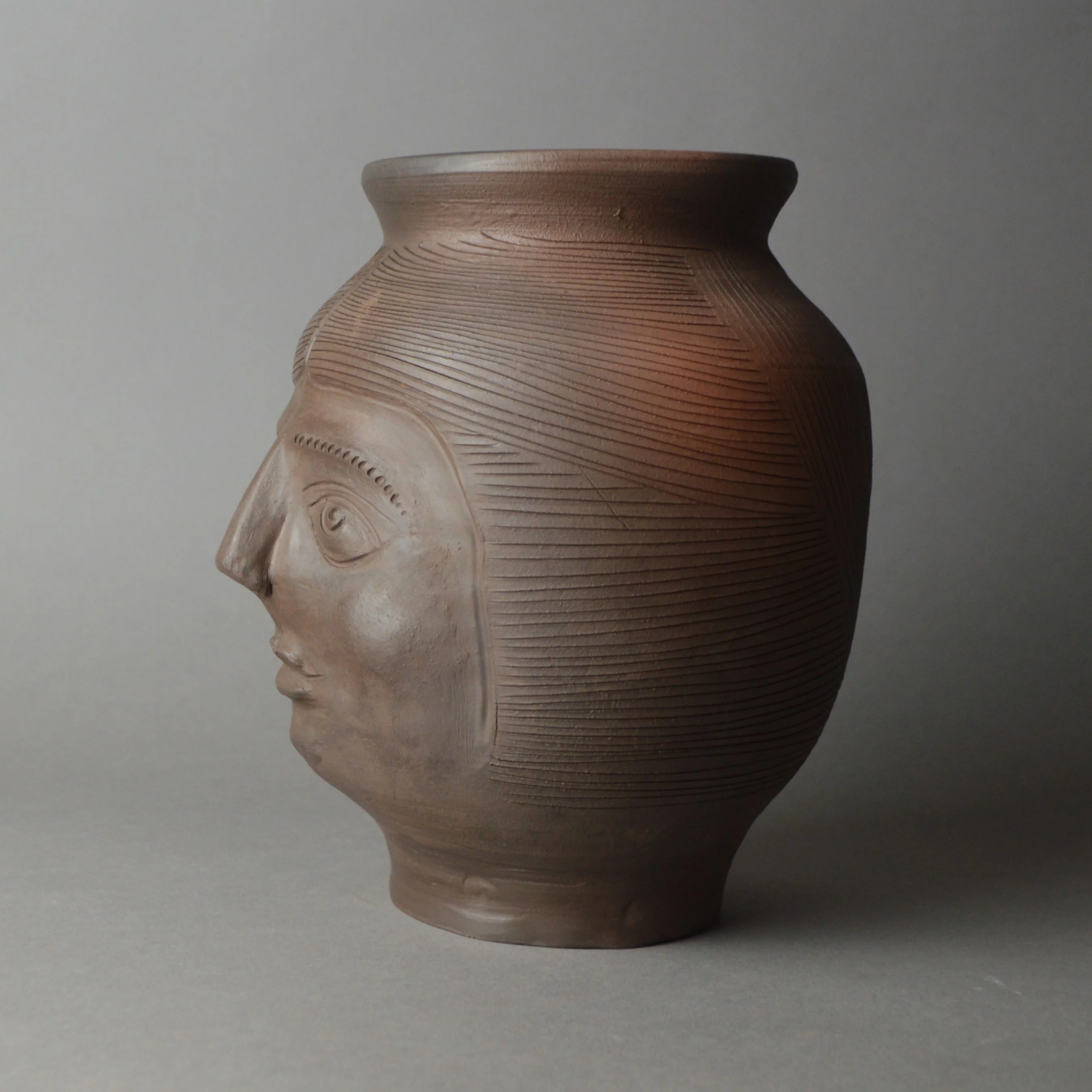
This head pot is believed to depict Empress Julia Domna, the Syrian wife of Emperor Septimius Severus, who visited York between 208–211 AD. The pot’s hairstyle and facial details bear a strong resemblance to the portraits of Julia Domna found on coins minted between 193 AD and 217 AD, supporting the theory that this vessel represents her.
It is thought that this style of head pot was introduced to York by soldier potters from North Africa in the late second to early third century, possibly to commemorate the imperial couple’s presence in the city.
The original vessel was discovered in 1888 and remains a prized artefact in the York Museum Collection.
Materials
- Earthenware, terracotta – reduction fired
Dimensions
- Height: Approx. 265 mm
- Diameter: Approx. 175 mm
Production
Each museum-quality replica is handcrafted in Northumberland by Potted History, based on the original artefact. This pot has been fired between 800°C and 1000°C, replicating the same firing techniques used by Roman potters nearly two thousand years ago.
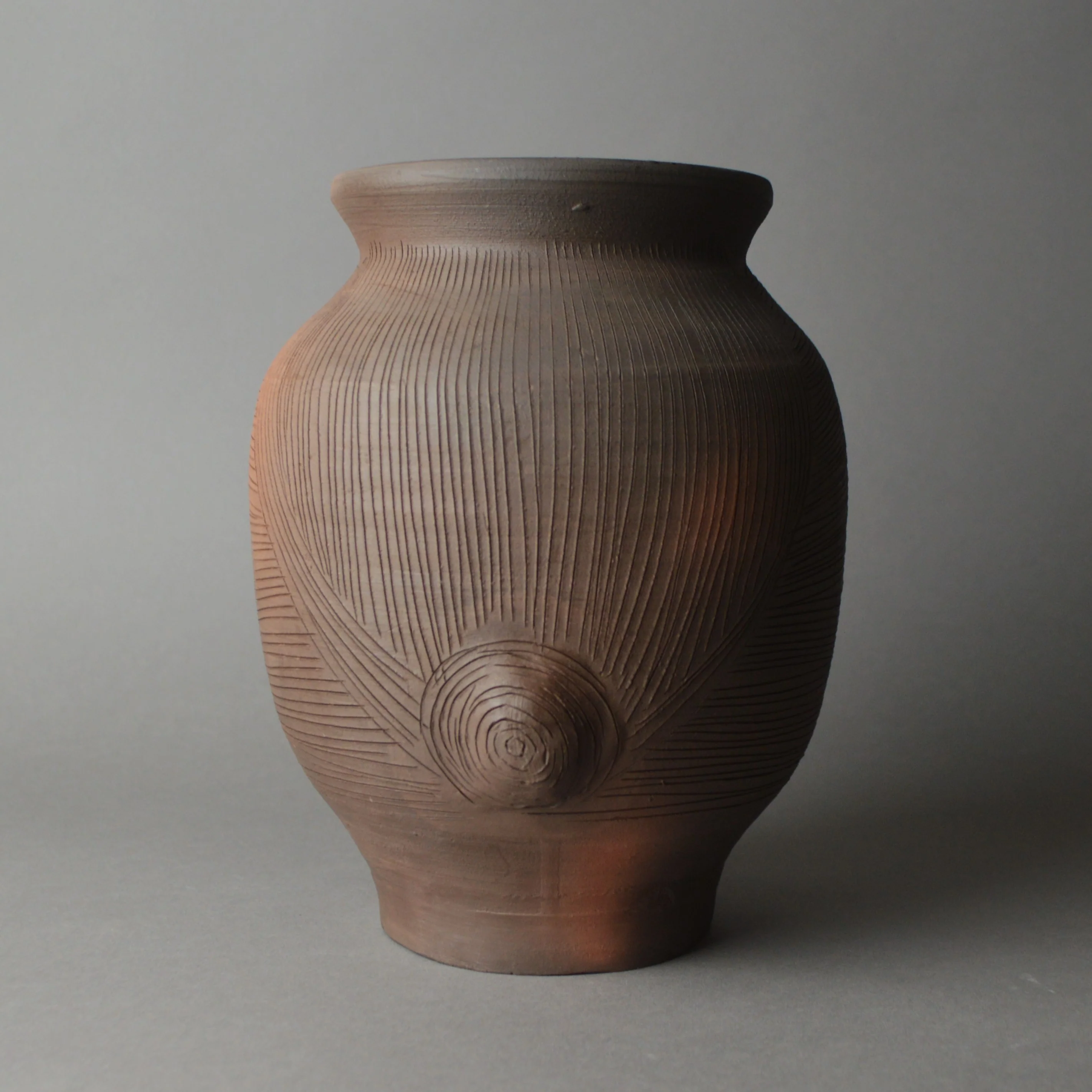
Due to the traditional firing process, every piece will feature unique variations in surface colour and texture, mirroring the characteristics of the original Roman pottery.
Health & Safety
This museum-quality replica has been made using authentic Roman tools and techniques. As an unglazed and porous vessel, it will absorb liquids and flavours over time, much like original Roman pottery.
- Not food safe: Due to its porous nature, this vessel does not meet modern health and safety standards for food use.
- For display and experimental archaeology purposes only: While some enthusiasts use these replicas for experimental archaeology, doing so is at your own risk.
- The Romans ensured food safety by heating their pots and contents to over 70°C for at least 10 minutes to kill bacteria, with 100°C or higher offering additional protection.
Ordering Information
- 'Add to Basket' Items: Ready to ship immediately.
- 'Pre-order' Items: Handmade to order within 90 days (longer for international orders). If your order includes both 'Add to Basket' and 'Pre-order' items, they will be shipped together once all items are ready.
Shipping
- All orders are sent via second-class postal service as standard.
- If you require first-class shipping, please contact us for a custom quote.
- Postage Note: All items are carefully packaged to ensure they arrive in perfect condition.
Own a piece of Roman history with this beautifully handcrafted replica head pot. Order today to bring the past to life in your collection!
Product Information
Product Information
Shipping & Returns
Shipping & Returns
Description
Handcrafted Replica Roman Head Pot – Inspired by the York Collection
Details
This stunning head pot replica is based on one of the 50 head pots or face urns discovered in York, a city founded by the Romans in 71 AD. What makes this particular find exceptional is that, despite being unearthed in fragmented pieces, every piece was recovered, allowing archaeologists to painstakingly reconstruct it to its original form—a testament to the endurance of ancient artefacts over the centuries.
This head pot is believed to depict Empress Julia Domna, the Syrian wife of Emperor Septimius Severus, who visited York between 208–211 AD. The pot’s hairstyle and facial details bear a strong resemblance to the portraits of Julia Domna found on coins minted between 193 AD and 217 AD, supporting the theory that this vessel represents her.
It is thought that this style of head pot was introduced to York by soldier potters from North Africa in the late second to early third century, possibly to commemorate the imperial couple’s presence in the city.
The original vessel was discovered in 1888 and remains a prized artefact in the York Museum Collection.
Materials
- Earthenware, terracotta – reduction fired
Dimensions
- Height: Approx. 265 mm
- Diameter: Approx. 175 mm
Production
Each museum-quality replica is handcrafted in Northumberland by Potted History, based on the original artefact. This pot has been fired between 800°C and 1000°C, replicating the same firing techniques used by Roman potters nearly two thousand years ago.
Due to the traditional firing process, every piece will feature unique variations in surface colour and texture, mirroring the characteristics of the original Roman pottery.
Health & Safety
This museum-quality replica has been made using authentic Roman tools and techniques. As an unglazed and porous vessel, it will absorb liquids and flavours over time, much like original Roman pottery.
- Not food safe: Due to its porous nature, this vessel does not meet modern health and safety standards for food use.
- For display and experimental archaeology purposes only: While some enthusiasts use these replicas for experimental archaeology, doing so is at your own risk.
- The Romans ensured food safety by heating their pots and contents to over 70°C for at least 10 minutes to kill bacteria, with 100°C or higher offering additional protection.
Ordering Information
- 'Add to Basket' Items: Ready to ship immediately.
- 'Pre-order' Items: Handmade to order within 90 days (longer for international orders). If your order includes both 'Add to Basket' and 'Pre-order' items, they will be shipped together once all items are ready.
Shipping
- All orders are sent via second-class postal service as standard.
- If you require first-class shipping, please contact us for a custom quote.
- Postage Note: All items are carefully packaged to ensure they arrive in perfect condition.
Own a piece of Roman history with this beautifully handcrafted replica head pot. Order today to bring the past to life in your collection!