Pompeian Mortarium and Pestle
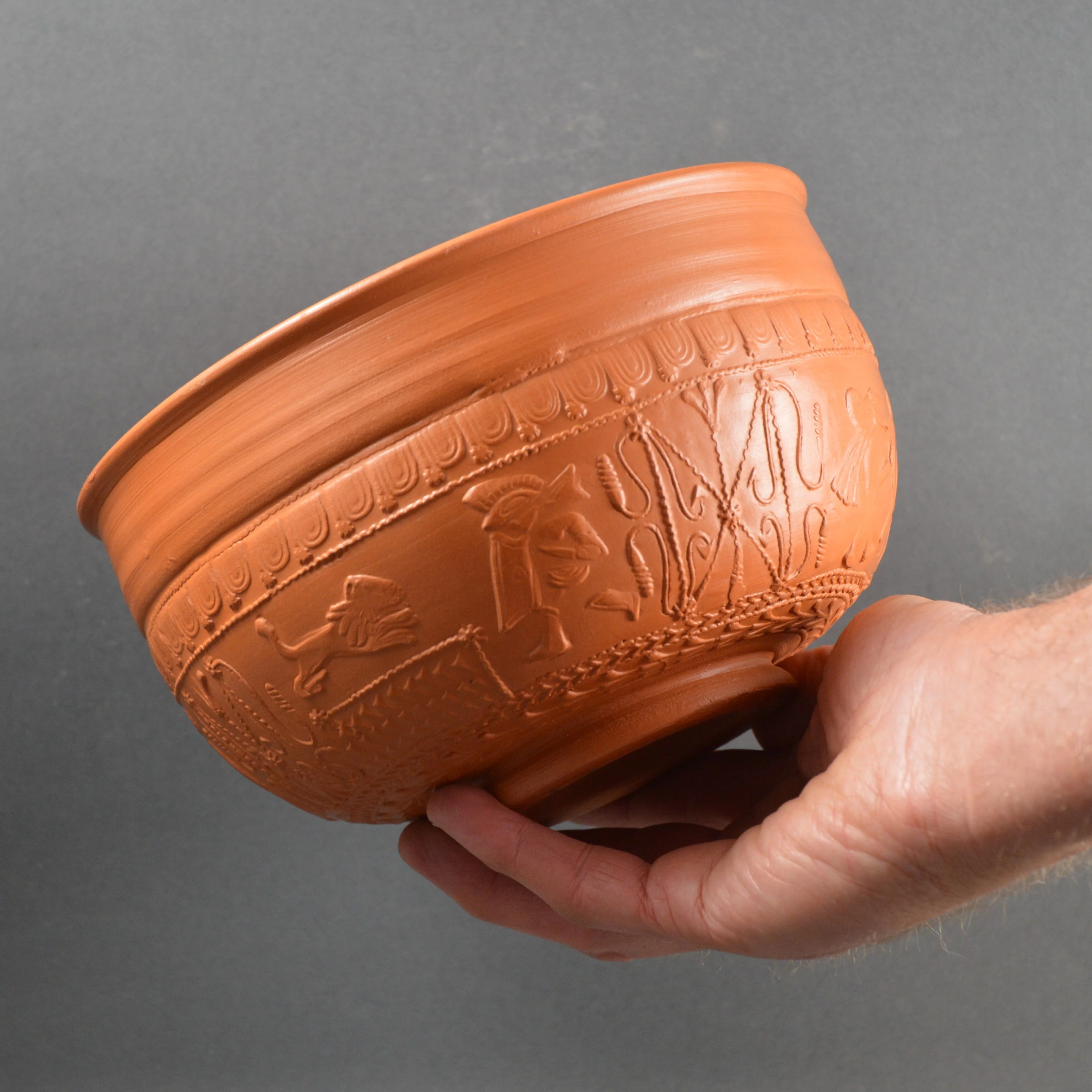
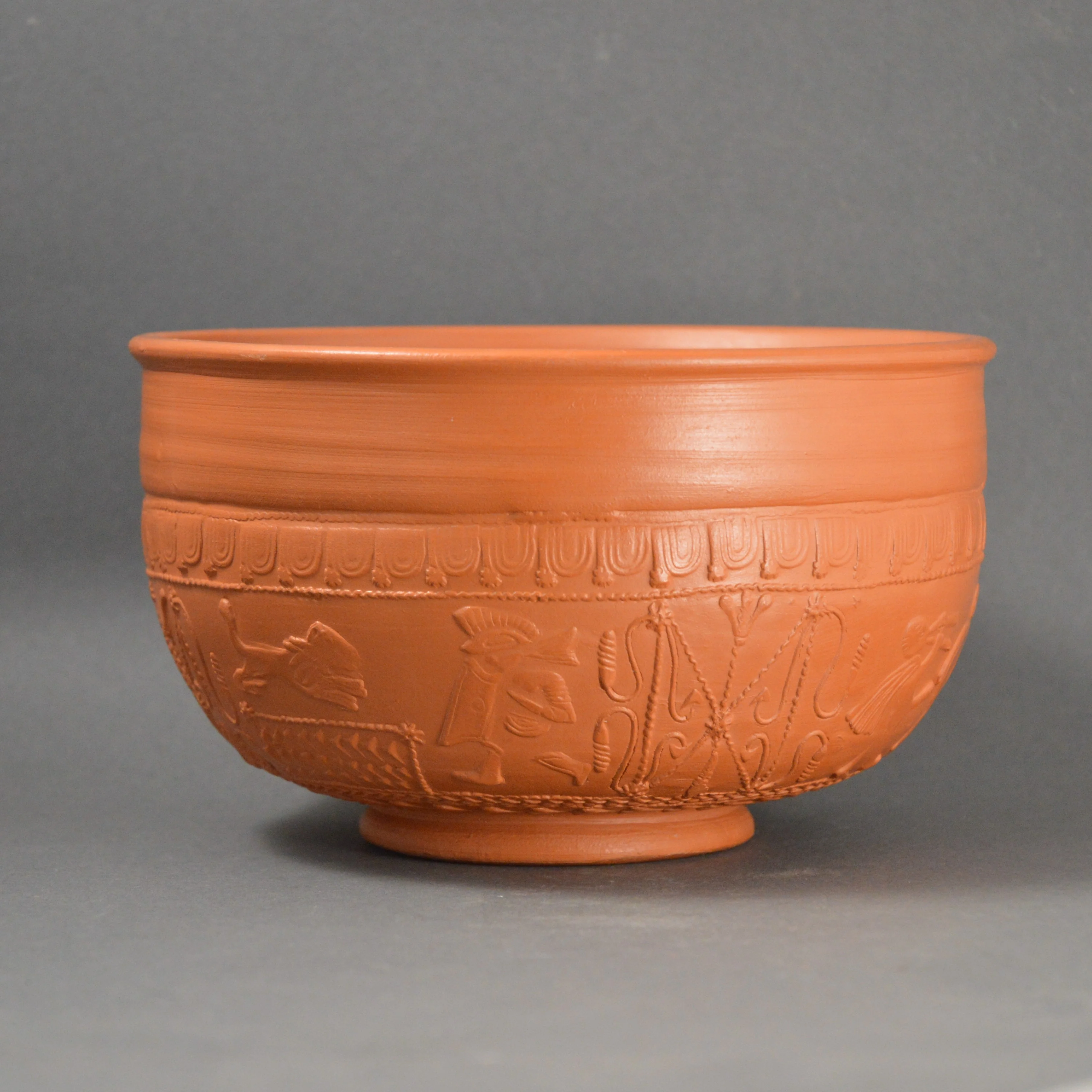
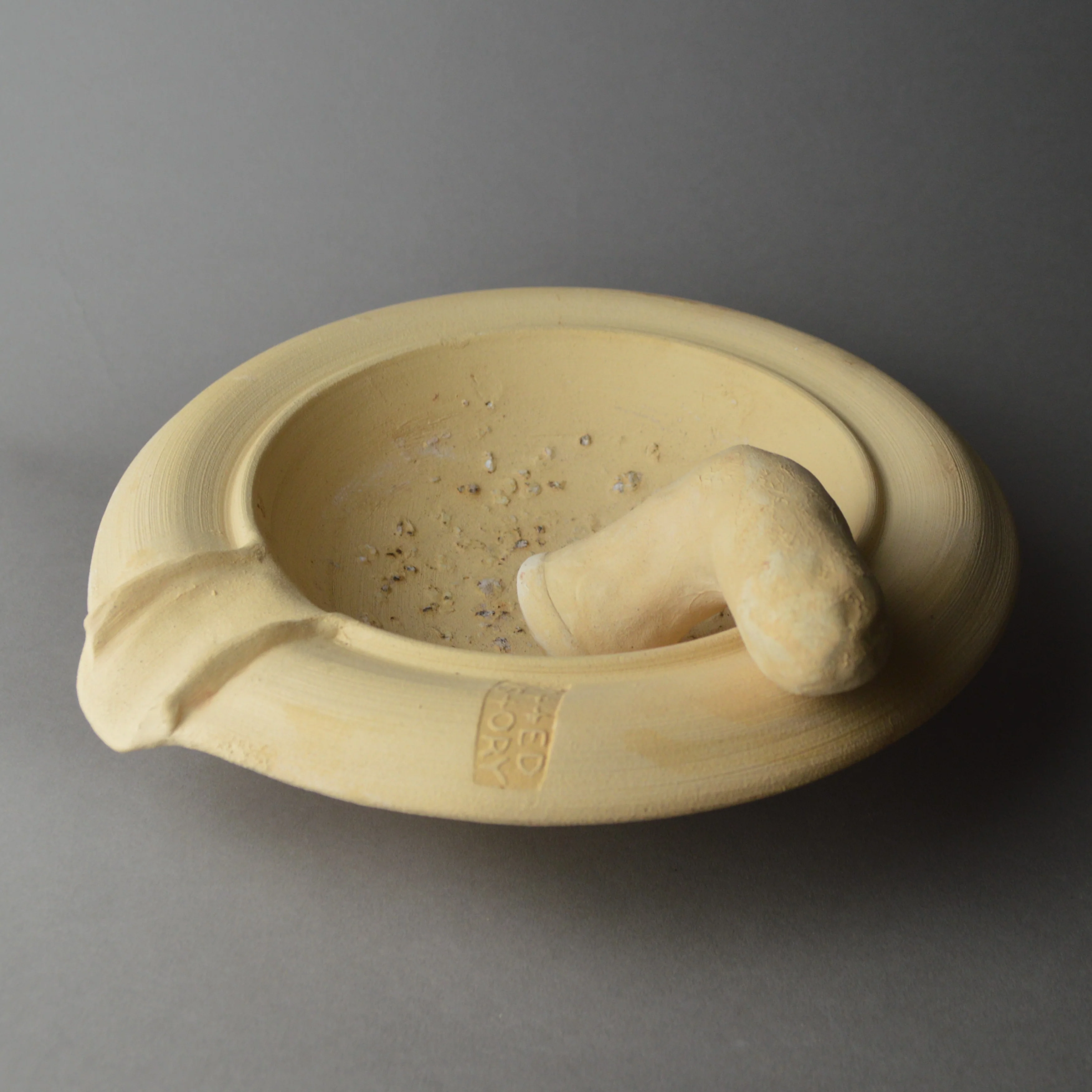
Handcrafted Replica Roman Mortarium – Inspired by Finds from Britain and Gaul
Details
Food is more than just sustenance; it is a powerful cultural force, capable of bringing people together through shared rituals, feasts and celebrations. The Romans knew this well and used their rich culinary traditions as a form of cultural influence across the Empire. Alongside olive oil, garum and exotic spices, they brought with them a wide array of cooking tools, including the mortarium and pestle, essential in any well-equipped Roman kitchen.
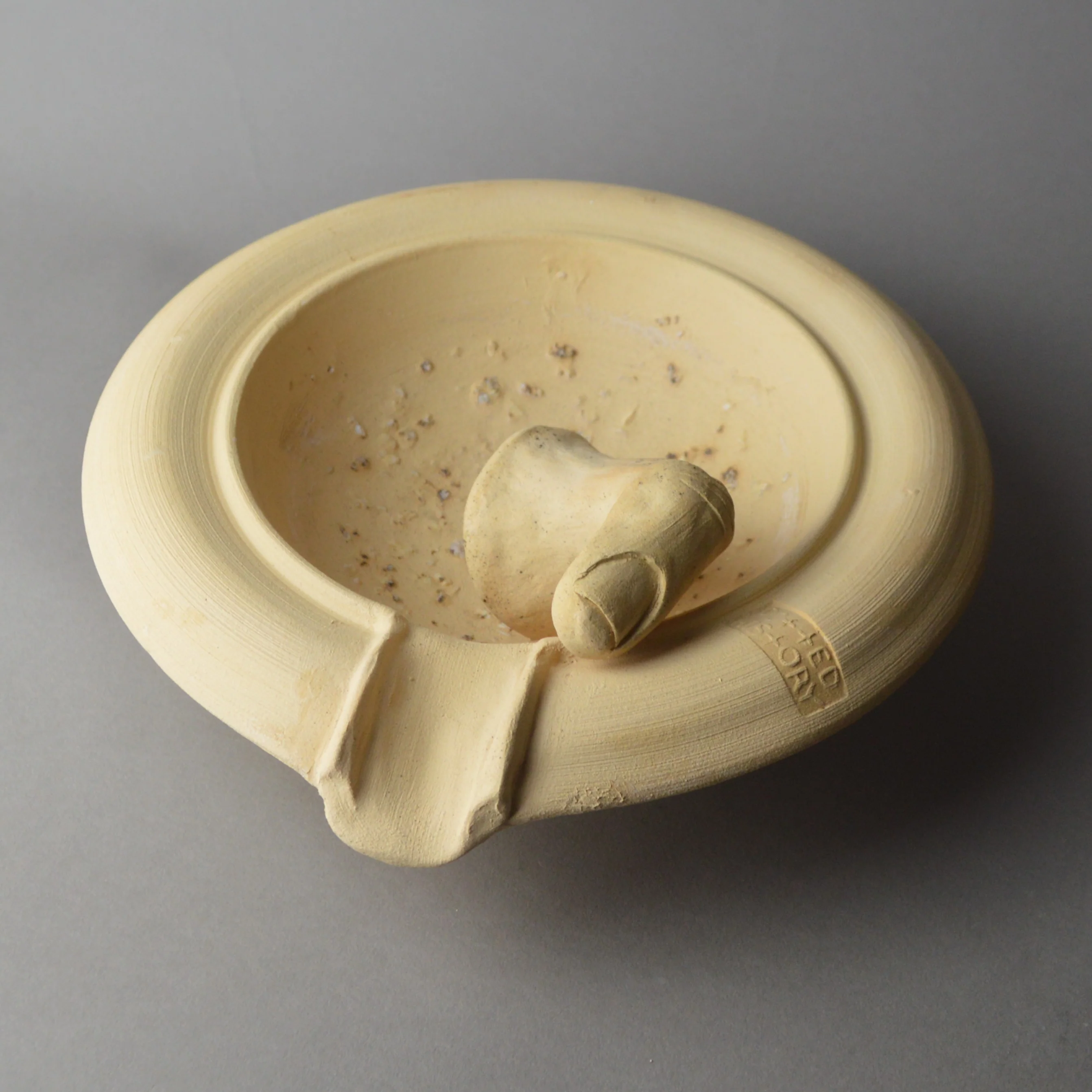
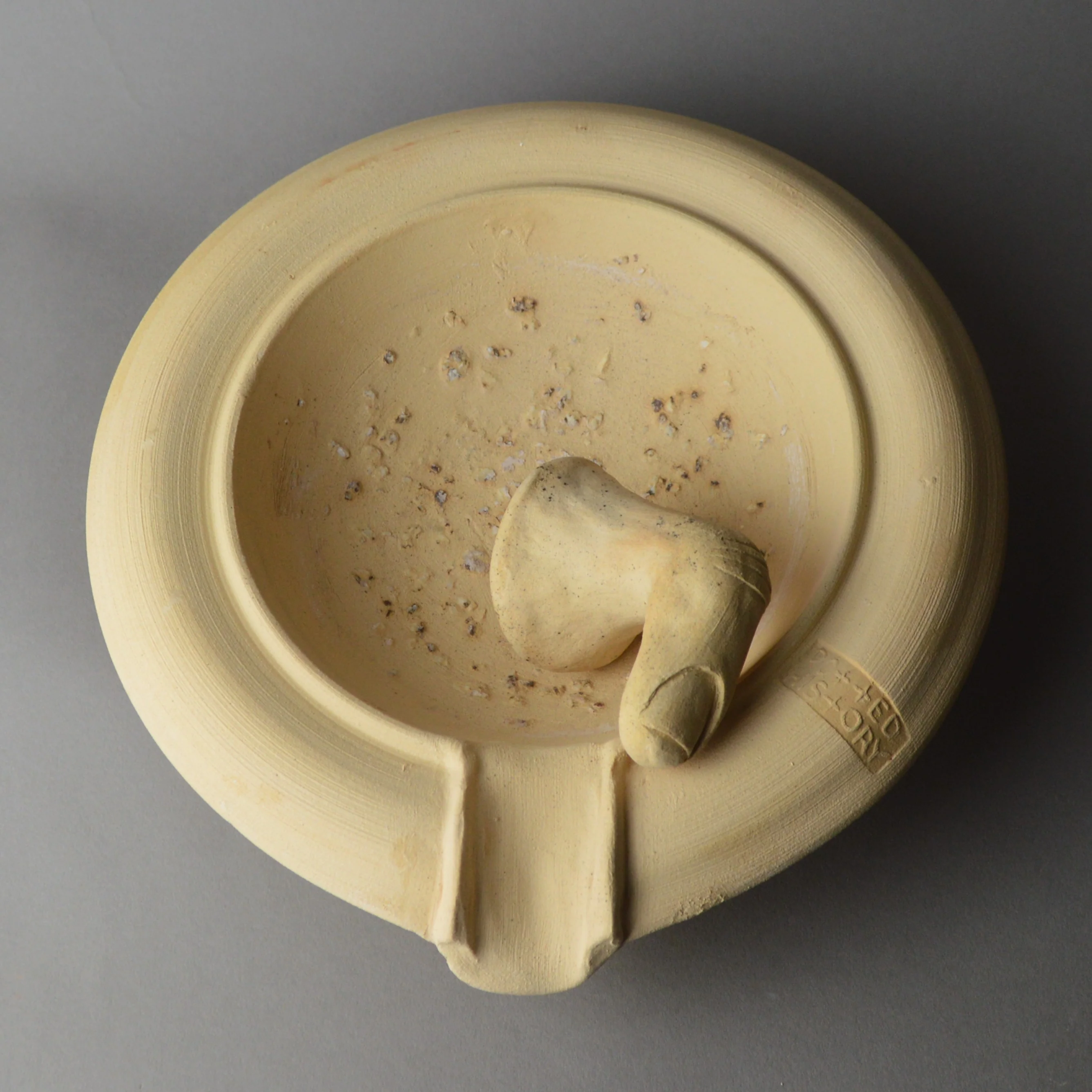
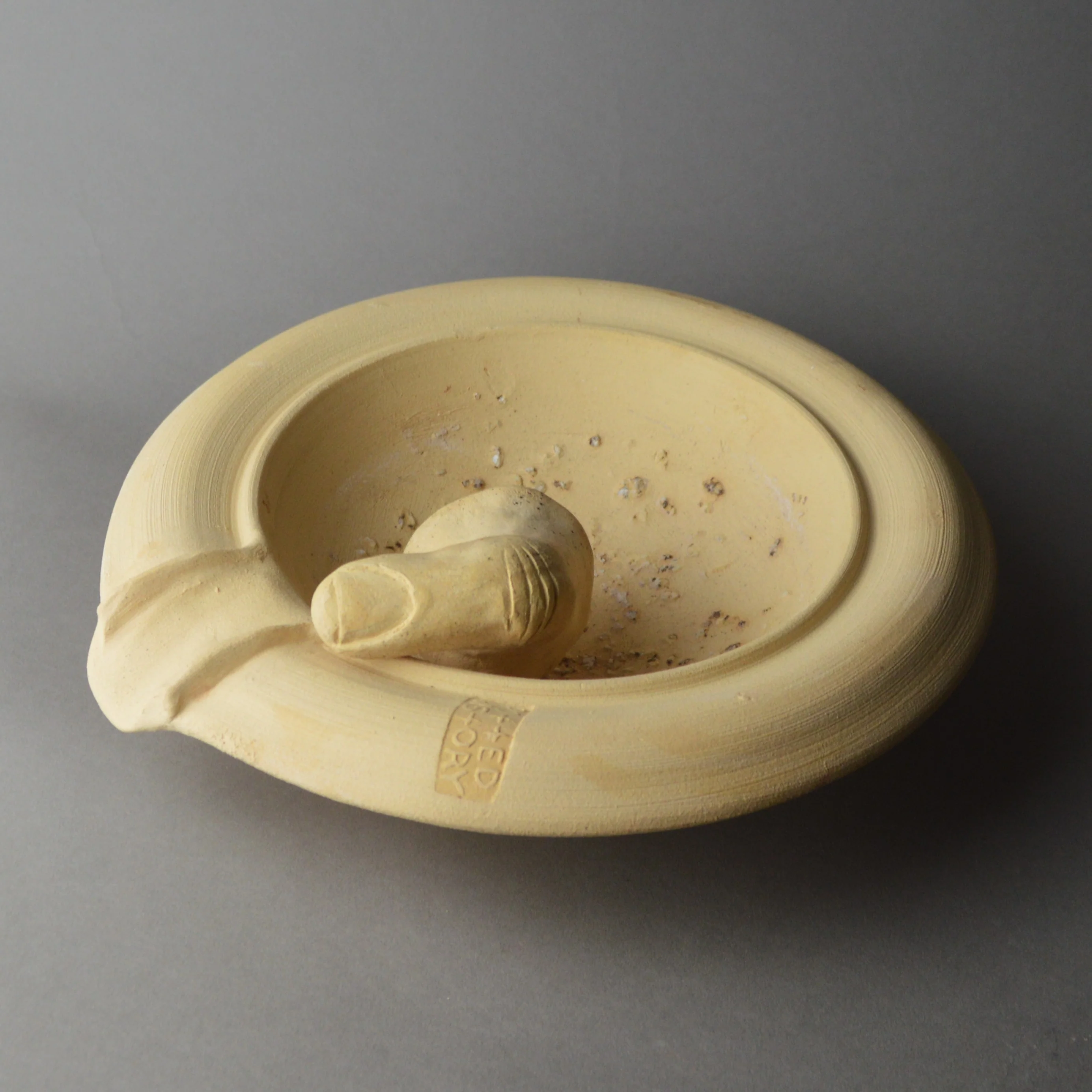
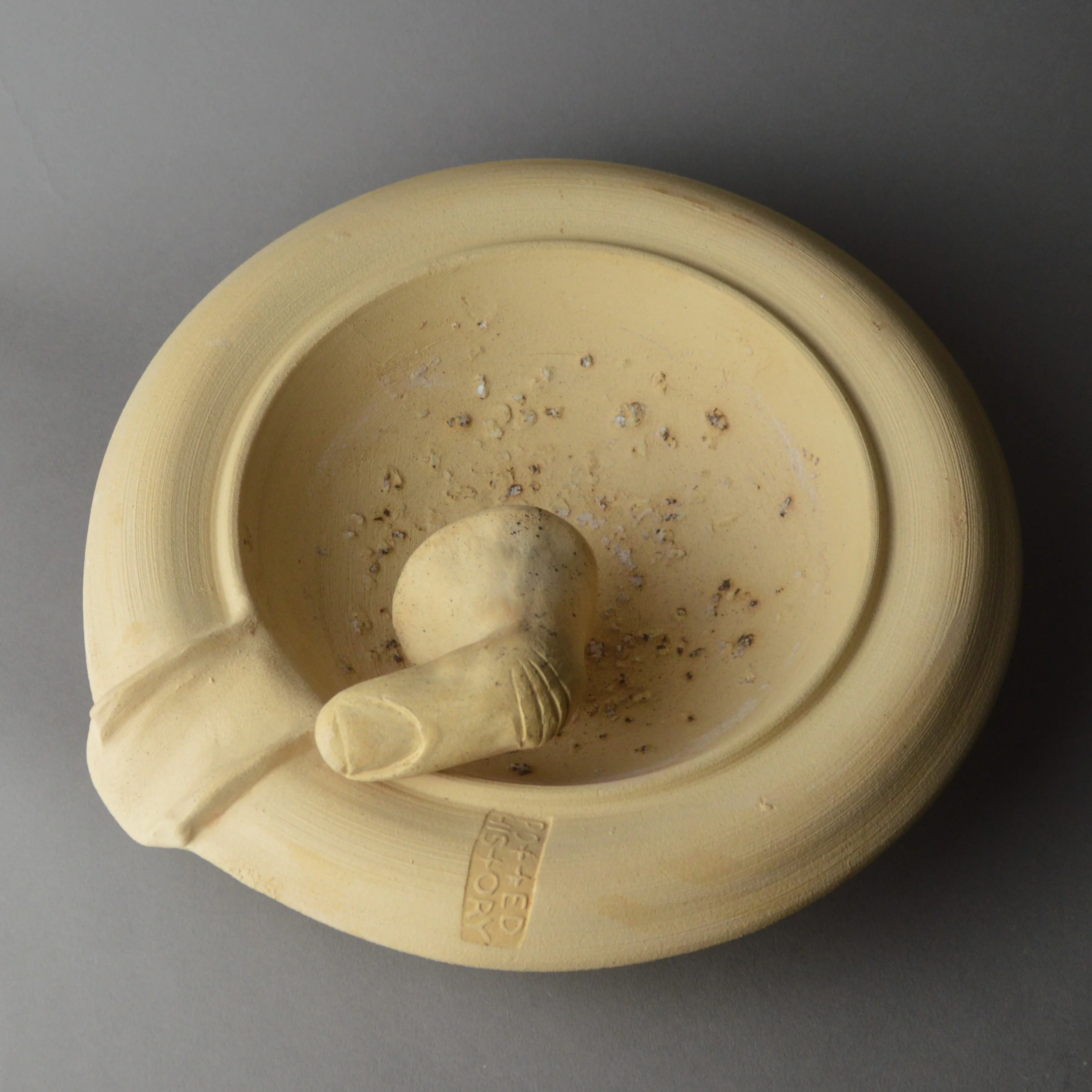
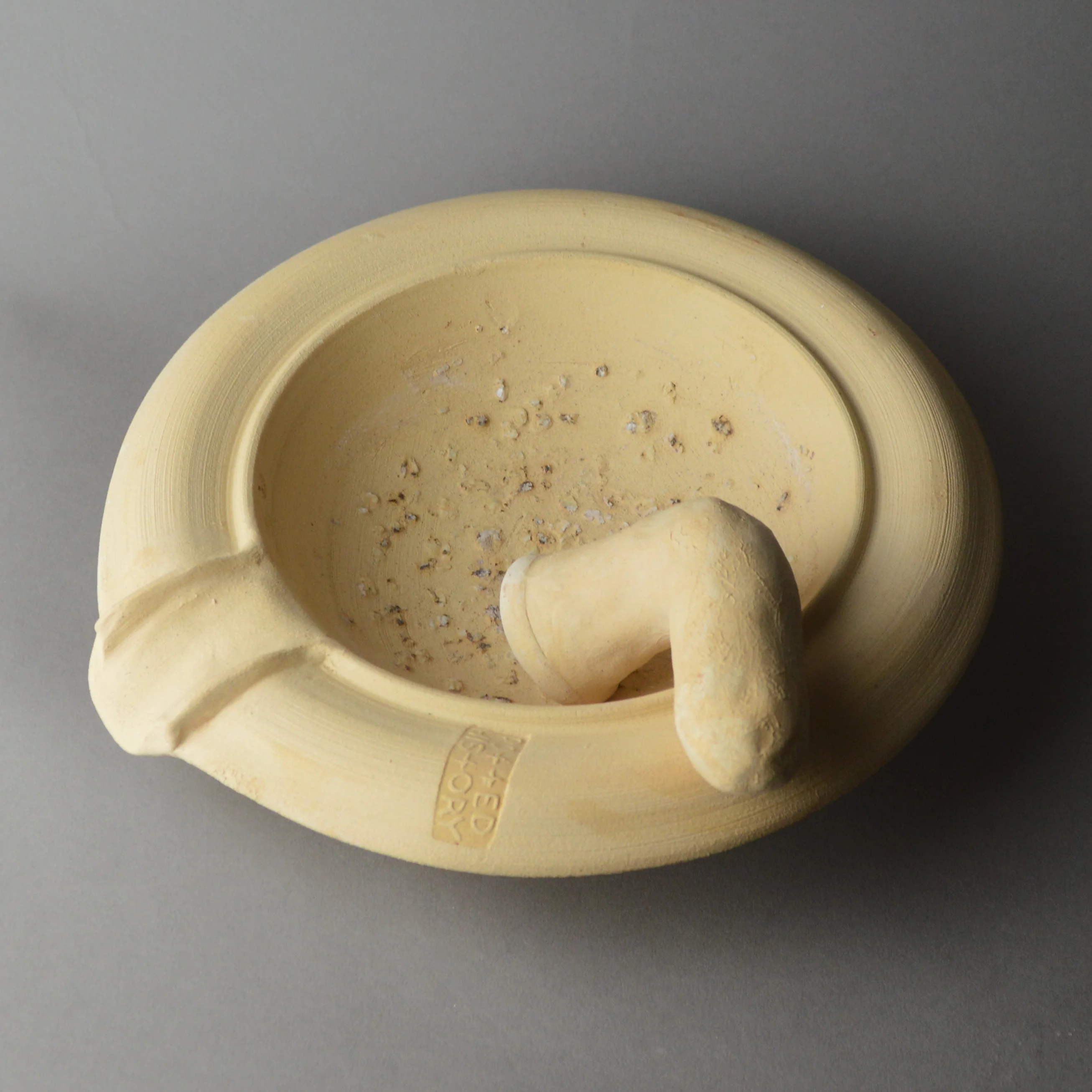
This ingenious tool functioned much like an ancient food processor, with coarse quartz grit embedded into the interior of the bowl to help grind herbs, spices and seeds with the aid of a handheld pestle. As well as being practical, mortaria could also be decorative or symbolic, reflecting the status or beliefs of the owner.
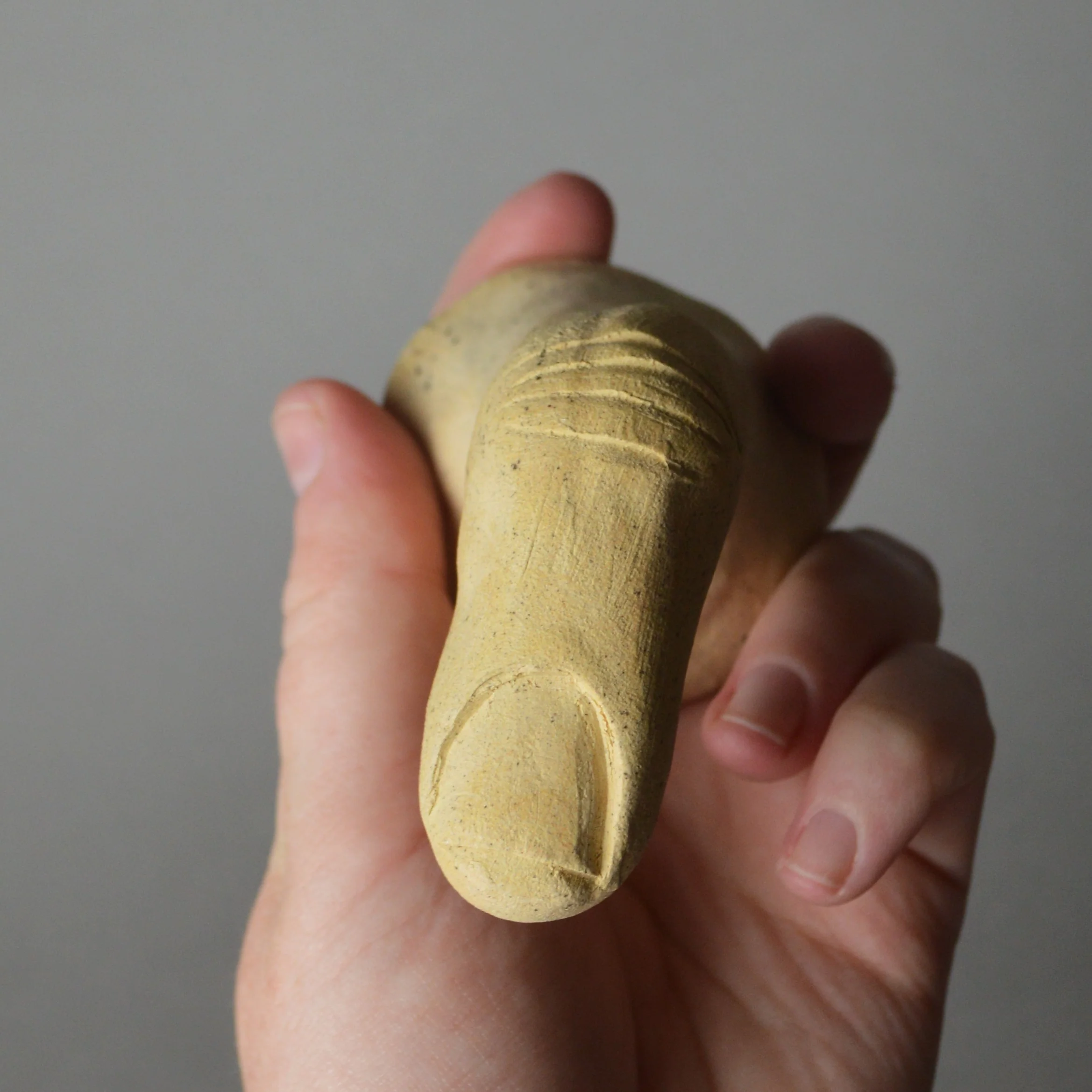
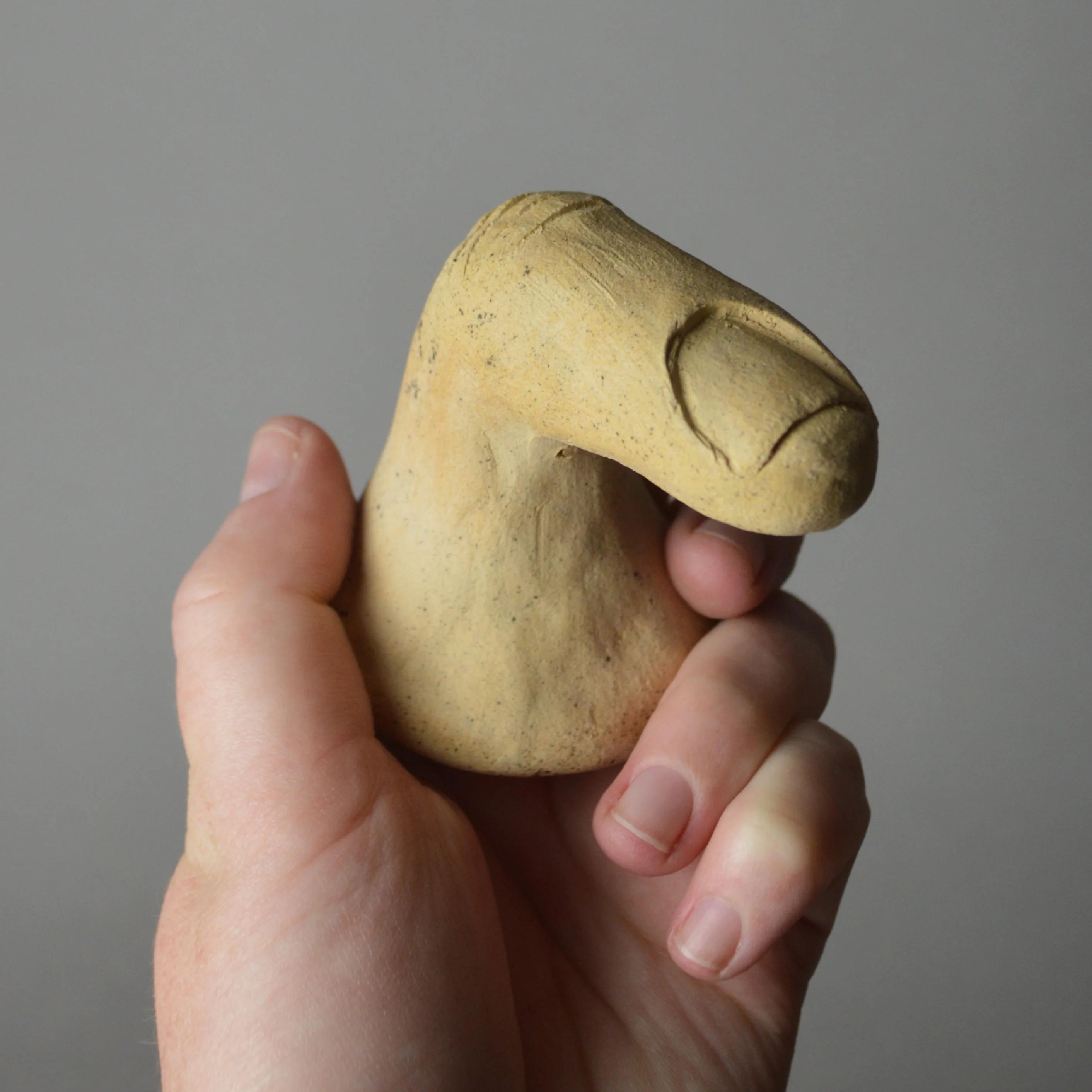
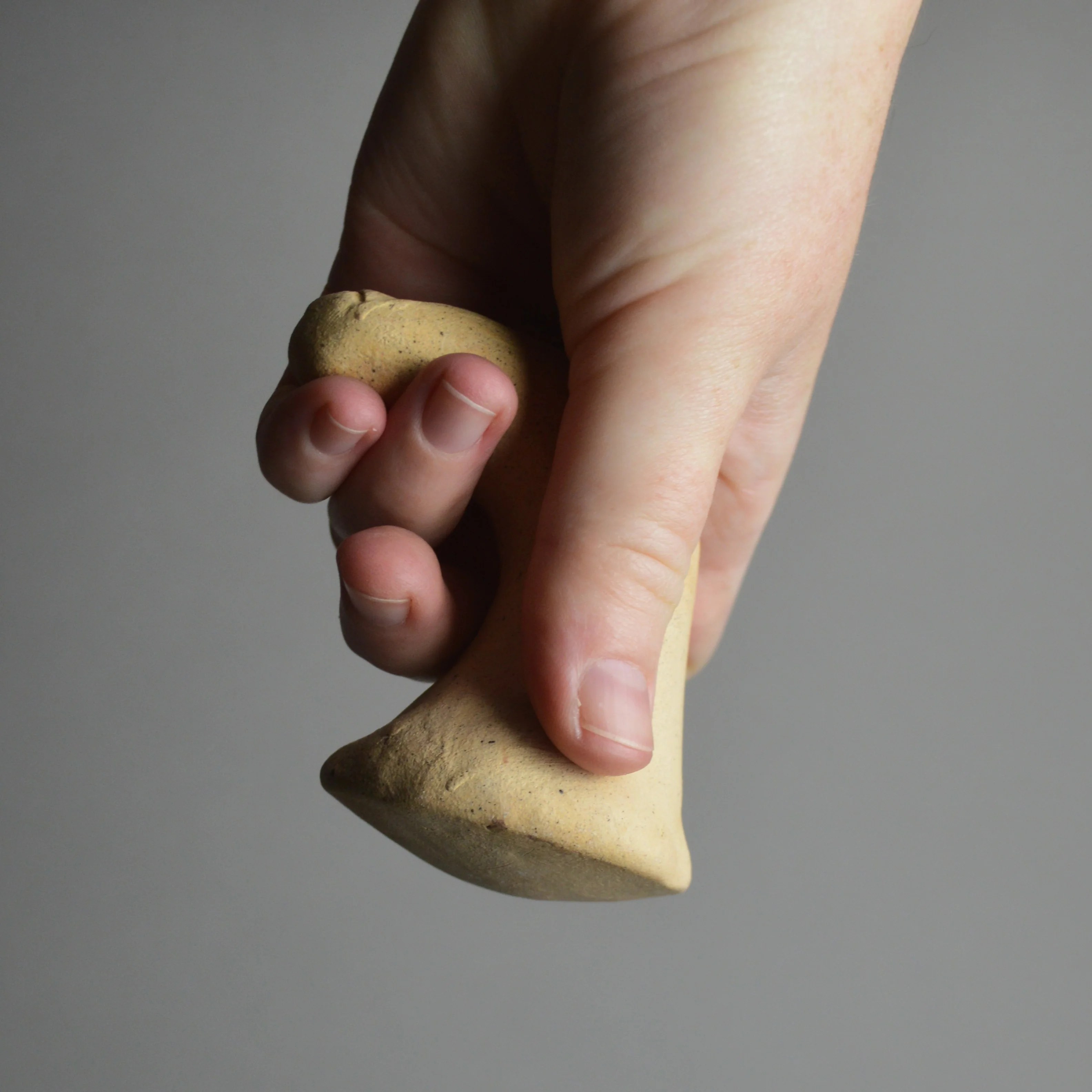
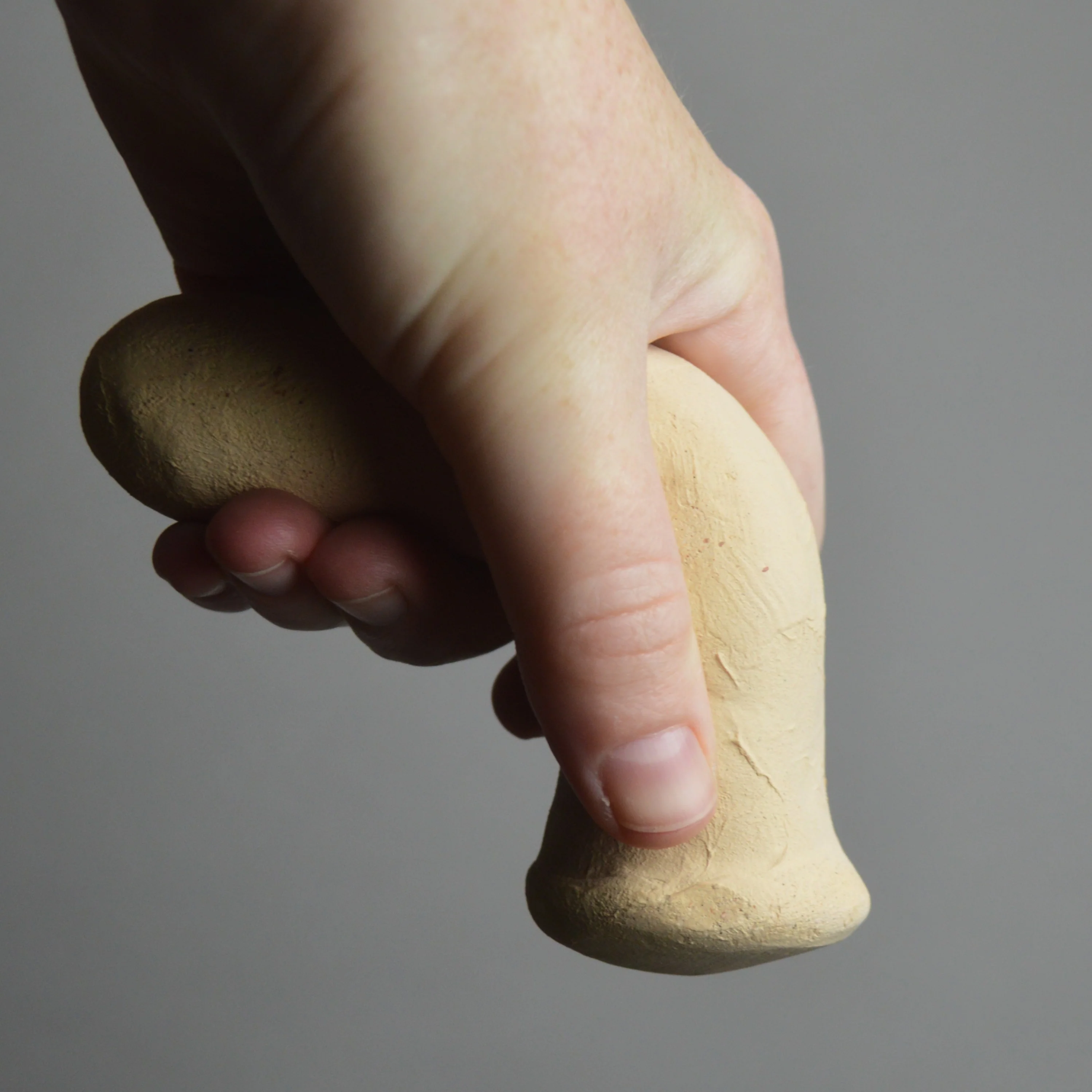
One fascinating variation is the finger-shaped pestle, which appears in finds across the Roman Empire. The design may have evolved from an early ergonomic shape, with a slight crook that rested naturally in the palm for better control. But this practical form likely took on symbolic meaning, as the thumb held cultural significance to the Romans, capable of signalling life or death in the gladiatorial arena, it was also seen as a symbol of power, authority and unity. Perhaps, by using a thumb-shaped pestle, a Roman cook hoped to channel that same power into their food, strengthening their household and mastering the feast.
Our plain pestle and mortarium set is inspired by an example found in Pompeii, while the thumb pestle set draws on archaeological finds from across Europe, where examples have been discovered in bronze, marble and sandstone. This allows you to choose the style that best suits your taste, kitchen or collection.
If you already own a mortarium and wish to purchase an additional pestle, thumb or plain, these are available separately in the shop. Available Here
Originally imported from East Gaul, mortaria were eventually produced in Britain too. Notable centres of production include the Nene Valley (2nd to 4th century AD) and Crambeck, Yorkshire (2nd century AD), where local potters met the growing demand for these vital culinary tools.
This museum-quality replica is based on Form 43, a style widely used across Roman Britain. The pestles are inspired by surviving examples dated between the 1st and 3rd centuries AD.
Materials
Earthenware terracotta with quartz grit interior
Dimensions
Mortarium Height: Approx. 80 mm
Mortarium Diameter: Approx. 255 mm
Production
Each piece is handmade in Northumberland by Potted History using authentic Roman-style tools and techniques.
-
Thrown and shaped by hand
-
Fired to between 800°C and 1000°C
-
Surface colour and texture variations occur naturally, giving each piece a unique character
Health and Safety
This is a Museum Quality Replica, crafted using traditional methods and materials.
-
Not food safe: The vessel is unglazed and porous, meaning it does not meet modern food safety standards
-
For display or experimental archaeology use only: Some enthusiasts use mortaria for historical demonstrations, but this is done at your own risk
-
Historical food safety practices: Romans ensured hygiene by heating their pots and contents to at least 70°C for 10 minutes, or 100°C for greater effectiveness
-
Preparation tip: In antiquity, cooks would grind down the interior surface before first use to remove loose grit, an important step to avoid a cracked tooth at dinner
Ordering Information
'Add to Basket' Items: Ready to ship immediately.
'Pre-order' Items: Handmade to order within 90 days (longer for international orders).
If your order contains both items, they will be shipped together once all are ready.
Shipping
All items are sent using a second-class postal service.
If you wish to have an item sent first class, please contact us for a quote.
Each item is carefully packaged to ensure it reaches you in perfect condition.
Bring the art of ancient cookery into your home or collection with this beautifully crafted mortarium and pestle. A perfect gift for archaeology lovers, historical cooks, or anyone fascinated by Roman life.
Product Information
Product Information
Shipping & Returns
Shipping & Returns
Description
Handcrafted Replica Roman Mortarium – Inspired by Finds from Britain and Gaul
Details
Food is more than just sustenance; it is a powerful cultural force, capable of bringing people together through shared rituals, feasts and celebrations. The Romans knew this well and used their rich culinary traditions as a form of cultural influence across the Empire. Alongside olive oil, garum and exotic spices, they brought with them a wide array of cooking tools, including the mortarium and pestle, essential in any well-equipped Roman kitchen.
This ingenious tool functioned much like an ancient food processor, with coarse quartz grit embedded into the interior of the bowl to help grind herbs, spices and seeds with the aid of a handheld pestle. As well as being practical, mortaria could also be decorative or symbolic, reflecting the status or beliefs of the owner.
One fascinating variation is the finger-shaped pestle, which appears in finds across the Roman Empire. The design may have evolved from an early ergonomic shape, with a slight crook that rested naturally in the palm for better control. But this practical form likely took on symbolic meaning, as the thumb held cultural significance to the Romans, capable of signalling life or death in the gladiatorial arena, it was also seen as a symbol of power, authority and unity. Perhaps, by using a thumb-shaped pestle, a Roman cook hoped to channel that same power into their food, strengthening their household and mastering the feast.
Our plain pestle and mortarium set is inspired by an example found in Pompeii, while the thumb pestle set draws on archaeological finds from across Europe, where examples have been discovered in bronze, marble and sandstone. This allows you to choose the style that best suits your taste, kitchen or collection.
If you already own a mortarium and wish to purchase an additional pestle, thumb or plain, these are available separately in the shop. Available Here
Originally imported from East Gaul, mortaria were eventually produced in Britain too. Notable centres of production include the Nene Valley (2nd to 4th century AD) and Crambeck, Yorkshire (2nd century AD), where local potters met the growing demand for these vital culinary tools.
This museum-quality replica is based on Form 43, a style widely used across Roman Britain. The pestles are inspired by surviving examples dated between the 1st and 3rd centuries AD.
Materials
Earthenware terracotta with quartz grit interior
Dimensions
Mortarium Height: Approx. 80 mm
Mortarium Diameter: Approx. 255 mm
Production
Each piece is handmade in Northumberland by Potted History using authentic Roman-style tools and techniques.
-
Thrown and shaped by hand
-
Fired to between 800°C and 1000°C
-
Surface colour and texture variations occur naturally, giving each piece a unique character
Health and Safety
This is a Museum Quality Replica, crafted using traditional methods and materials.
-
Not food safe: The vessel is unglazed and porous, meaning it does not meet modern food safety standards
-
For display or experimental archaeology use only: Some enthusiasts use mortaria for historical demonstrations, but this is done at your own risk
-
Historical food safety practices: Romans ensured hygiene by heating their pots and contents to at least 70°C for 10 minutes, or 100°C for greater effectiveness
-
Preparation tip: In antiquity, cooks would grind down the interior surface before first use to remove loose grit, an important step to avoid a cracked tooth at dinner
Ordering Information
'Add to Basket' Items: Ready to ship immediately.
'Pre-order' Items: Handmade to order within 90 days (longer for international orders).
If your order contains both items, they will be shipped together once all are ready.
Shipping
All items are sent using a second-class postal service.
If you wish to have an item sent first class, please contact us for a quote.
Each item is carefully packaged to ensure it reaches you in perfect condition.
Bring the art of ancient cookery into your home or collection with this beautifully crafted mortarium and pestle. A perfect gift for archaeology lovers, historical cooks, or anyone fascinated by Roman life.