Roman Cheese Press
Details
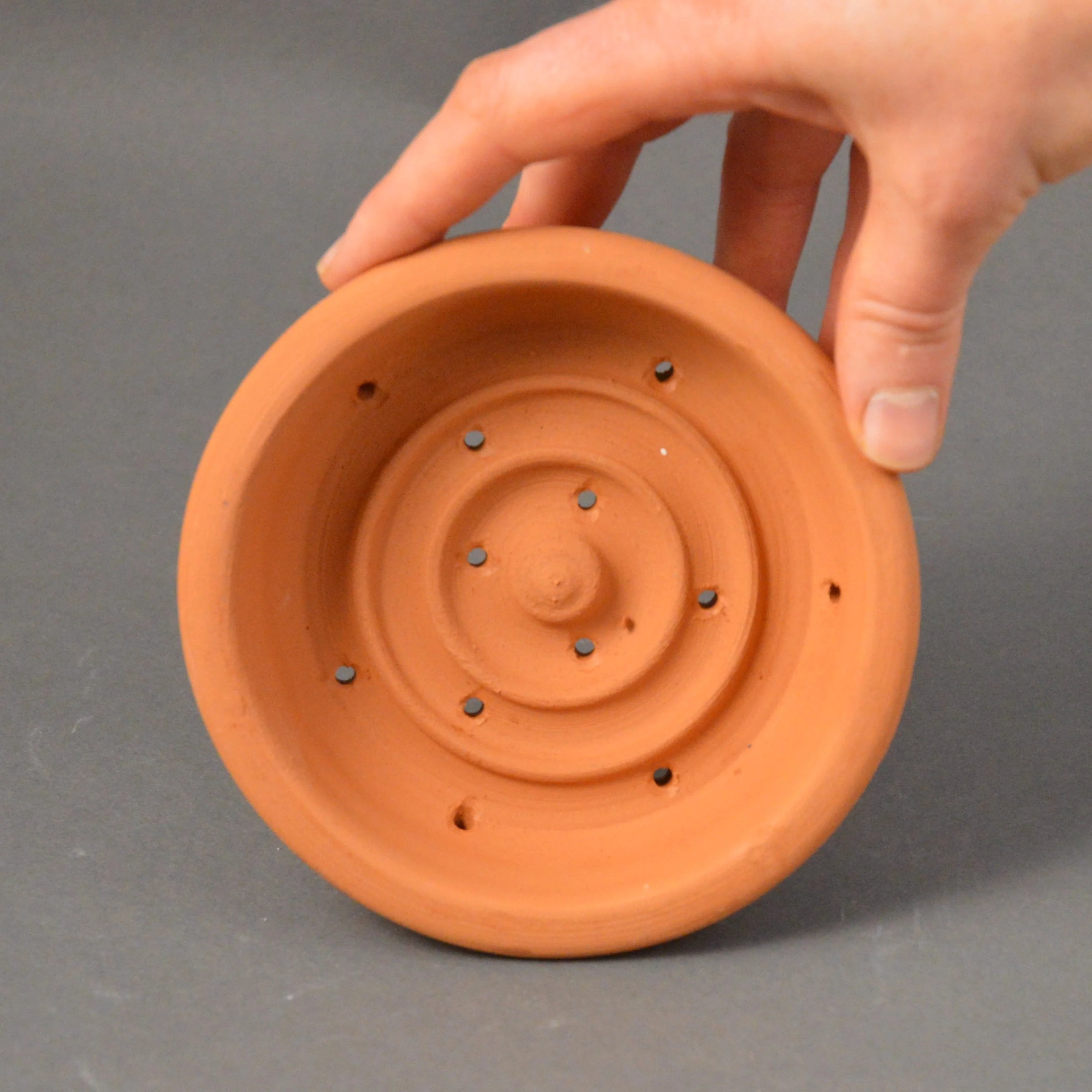
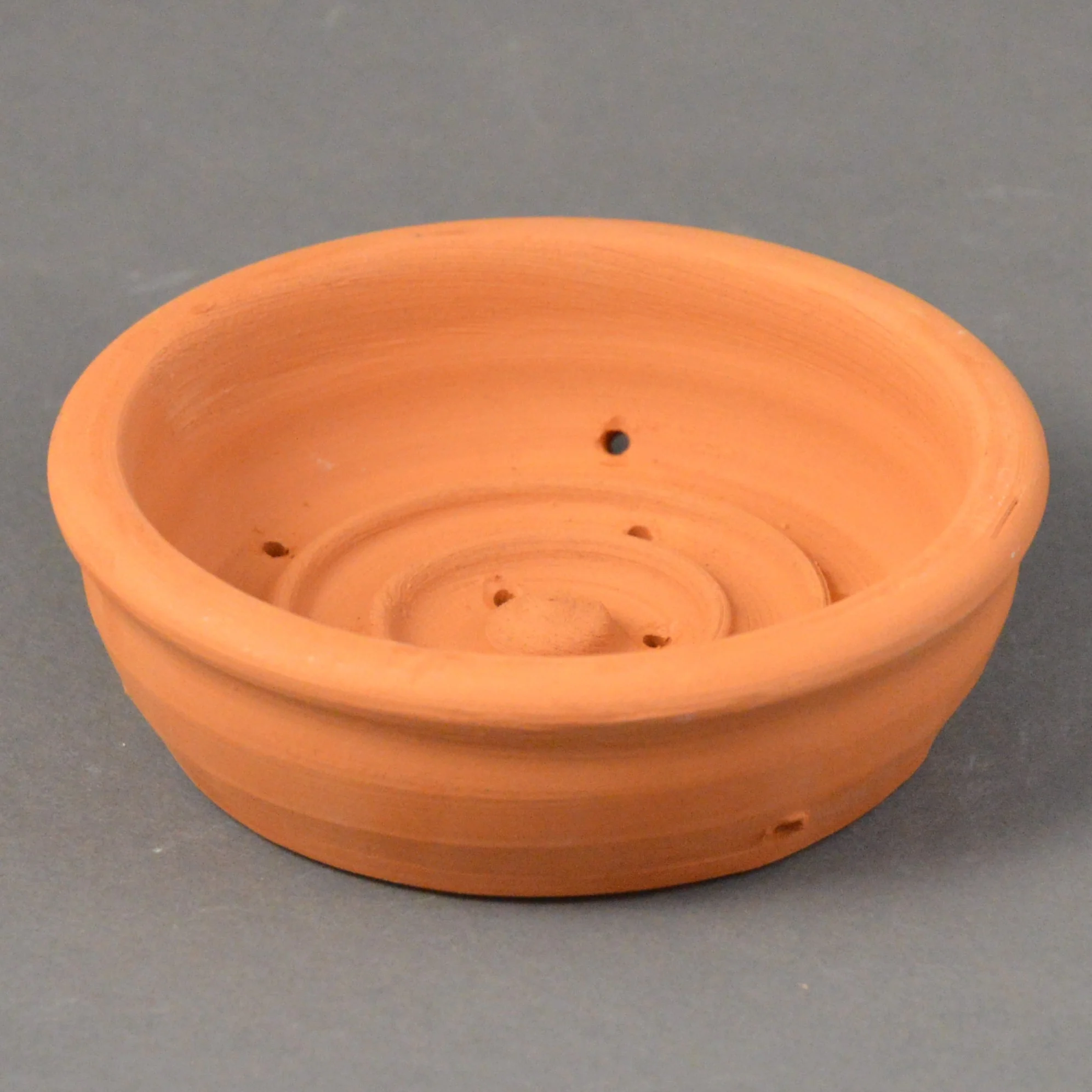
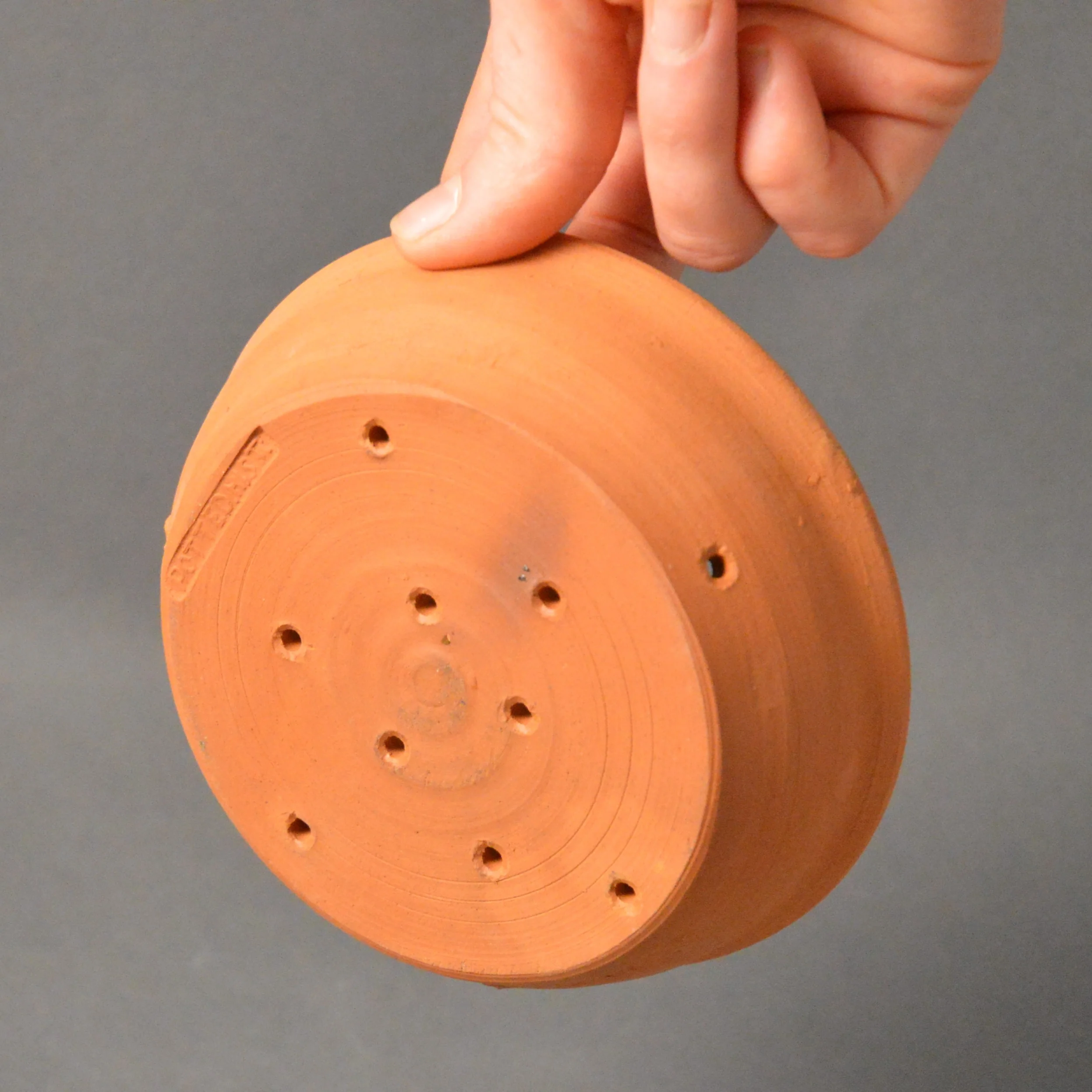
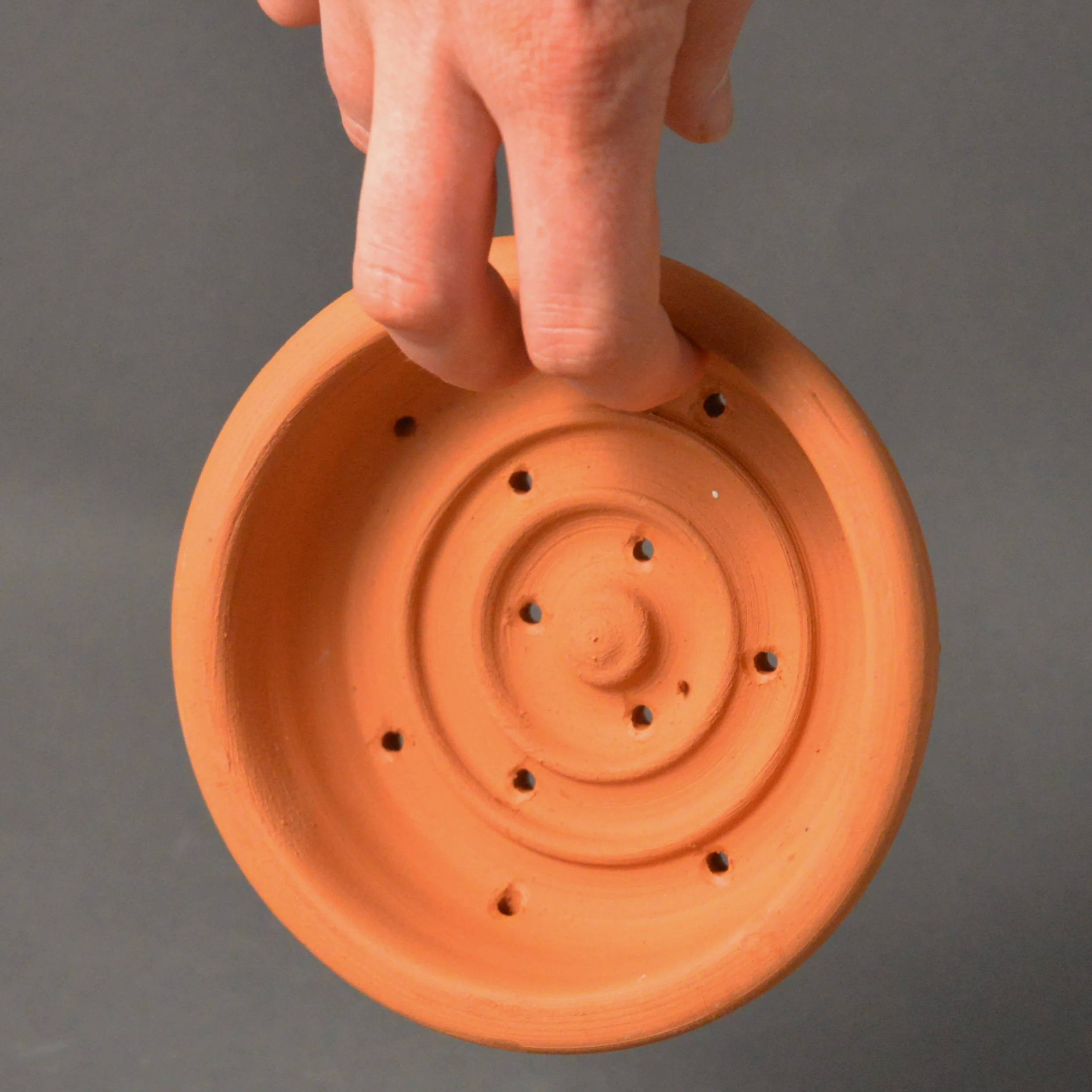
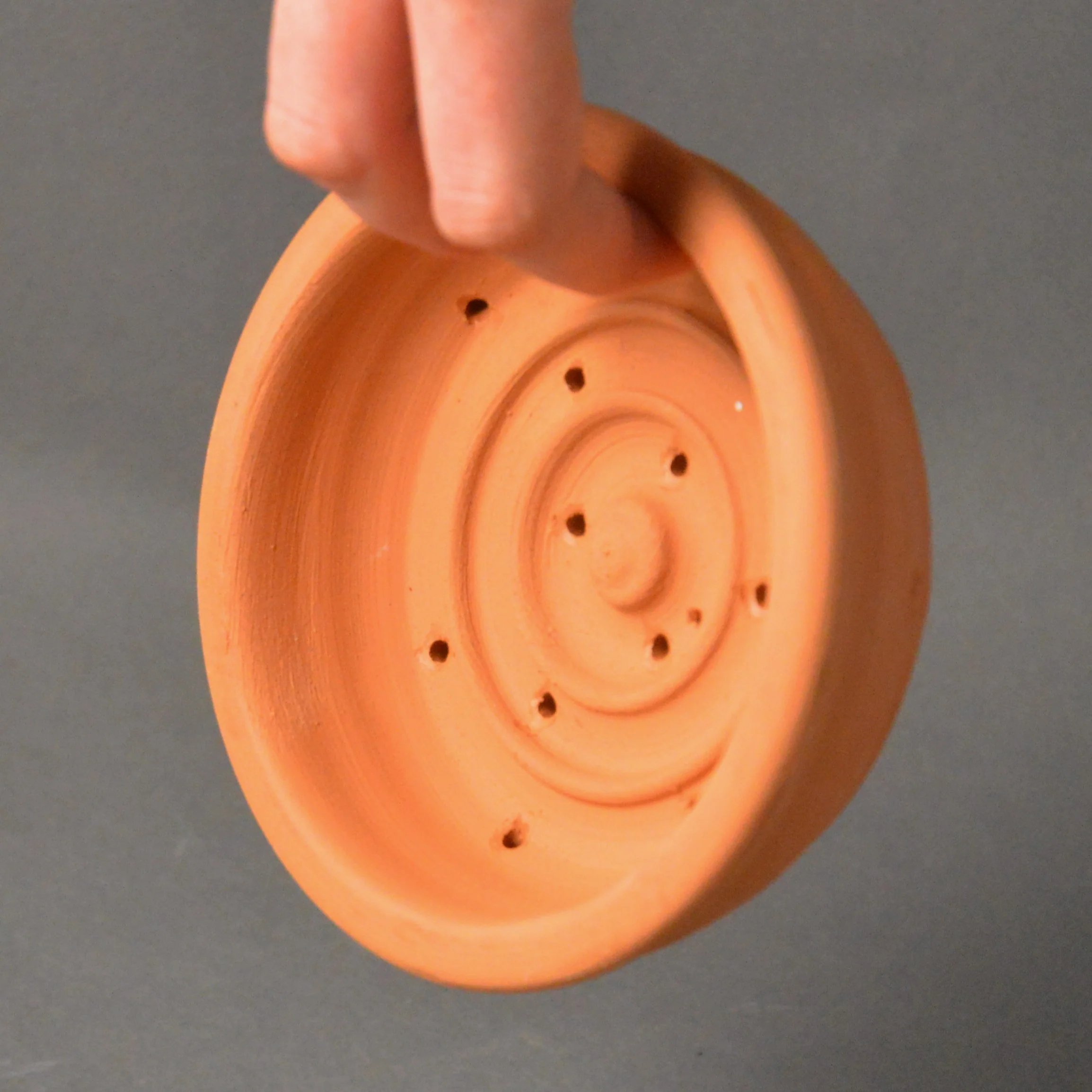
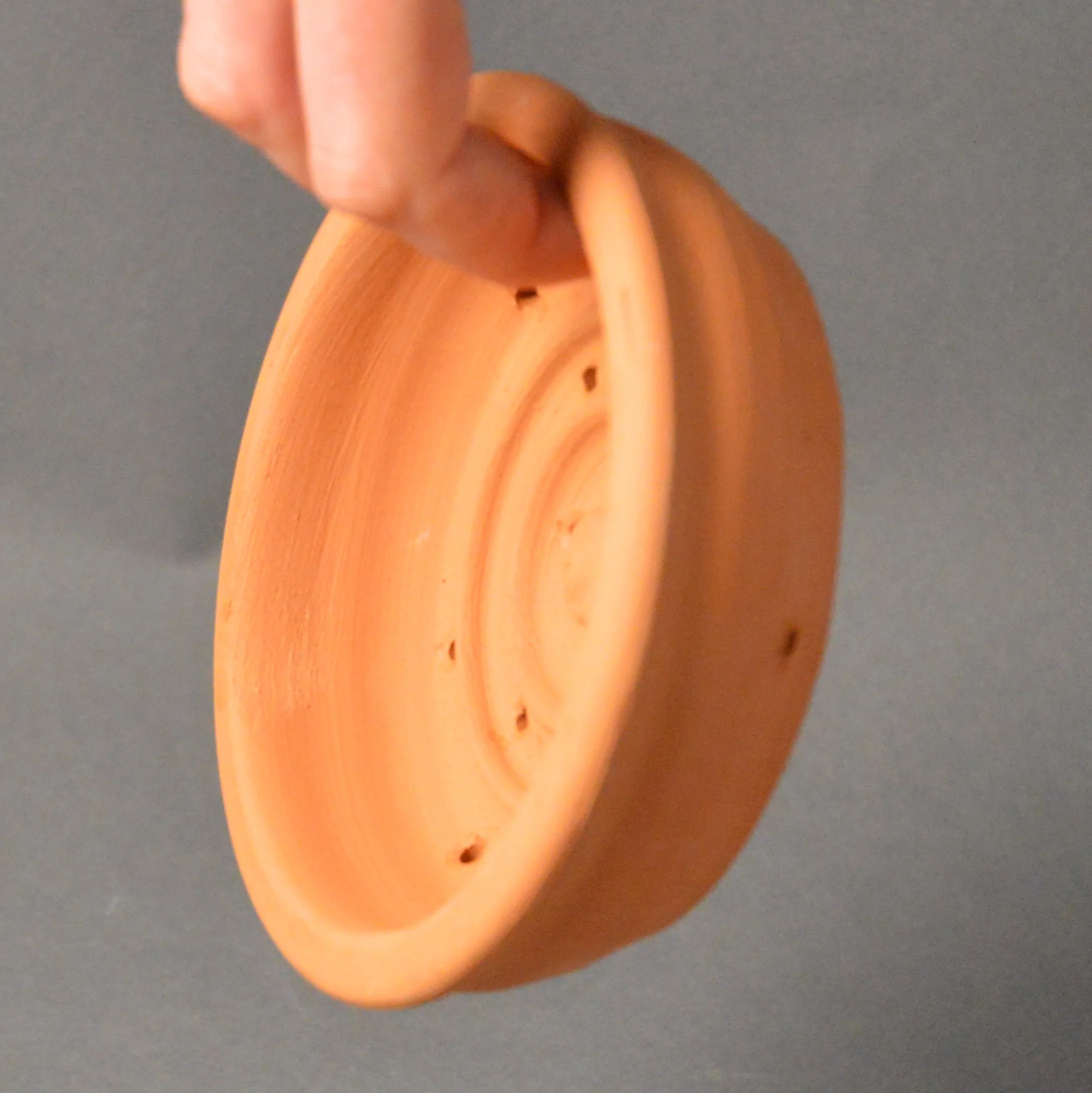
Based on one example on display in the splendid British Museum, the cheese press would have been a must-have kitchen gadget for every good Roman cook. Cheese was a very popular food stuff for the Romans, with many varieties being produced from soft cheeses, similar to cottage cheese, to hard-smoked cheeses.
Although it is not clear the exact date when cheese was invented, it has formed part of our diet for decades, and the details of Roman cheese making were described in detail by the Roman writer Columella when he wrote De Re Rustica
For more details on exactly how to use this cheese press, we recommend you look at the work of renowned food historian, award-winning blogger and maker of delicious things Farrell Monaco. Get her Roman Cheese Recipe here
We know of cheese presses making up part of the collections at the Vindolanda Museum and Wrexham Museum, but they are so ubiquitous that we would expect them to be in any museum that holds a Roman collection.
'Add To Cart' items are ready to send straight away. Please be aware that if bought alongside 'Pre-order' items, your order will be sent when all items are ready.
'Pre-order' items are made to order, and we will dispatch them as soon as we have handcrafted them for you; this usually takes 90 days, but international orders can take a little longer.
Production
This replica Roman pot has been thrown on a potters wheel and hand-finished in Northumberland by Potted History and is based on an original artefact. It has been fired to replicate the original firing method to a temperature of between 800 & 1000 Centigrade. This process often results in variations of the surface colour and texture, emulating original Roman Pottery and giving each pot its unique character.
Materials
Terracotta clay
Dimensions
Approx. 40 mm tall, 140 mm diameter
Health & Safety
This is a Museum Quality Replica made using the tools and techniques that would have been used during the Roman era. As this is an unglazed pot with a porous surface, it will absorb some of the flavours of the food being stored or served, which does add to the flavour of future dishes. However, it also means that this pot does not meet modern Health and Safety standards, and therefore we do not advise that it is used for storing or serving food. When the Romans used these vessels, they would rely on applying sufficient heat to the cooking pot and its contents to ensure that all bacteria were killed. Heating to over 70°C for at least 10 minutes would have killed most disease-causing bacteria, and temperatures of 100°C would do even more.
Postage
All items are sent using a second-class postal service. If you wish to have an item sent first-class, please get in touch with us for a quote. Many Thanks
Product Information
Product Information
Shipping & Returns
Shipping & Returns
Description
Details
Based on one example on display in the splendid British Museum, the cheese press would have been a must-have kitchen gadget for every good Roman cook. Cheese was a very popular food stuff for the Romans, with many varieties being produced from soft cheeses, similar to cottage cheese, to hard-smoked cheeses.
Although it is not clear the exact date when cheese was invented, it has formed part of our diet for decades, and the details of Roman cheese making were described in detail by the Roman writer Columella when he wrote De Re Rustica
For more details on exactly how to use this cheese press, we recommend you look at the work of renowned food historian, award-winning blogger and maker of delicious things Farrell Monaco. Get her Roman Cheese Recipe here
We know of cheese presses making up part of the collections at the Vindolanda Museum and Wrexham Museum, but they are so ubiquitous that we would expect them to be in any museum that holds a Roman collection.
'Add To Cart' items are ready to send straight away. Please be aware that if bought alongside 'Pre-order' items, your order will be sent when all items are ready.
'Pre-order' items are made to order, and we will dispatch them as soon as we have handcrafted them for you; this usually takes 90 days, but international orders can take a little longer.
Production
This replica Roman pot has been thrown on a potters wheel and hand-finished in Northumberland by Potted History and is based on an original artefact. It has been fired to replicate the original firing method to a temperature of between 800 & 1000 Centigrade. This process often results in variations of the surface colour and texture, emulating original Roman Pottery and giving each pot its unique character.
Materials
Terracotta clay
Dimensions
Approx. 40 mm tall, 140 mm diameter
Health & Safety
This is a Museum Quality Replica made using the tools and techniques that would have been used during the Roman era. As this is an unglazed pot with a porous surface, it will absorb some of the flavours of the food being stored or served, which does add to the flavour of future dishes. However, it also means that this pot does not meet modern Health and Safety standards, and therefore we do not advise that it is used for storing or serving food. When the Romans used these vessels, they would rely on applying sufficient heat to the cooking pot and its contents to ensure that all bacteria were killed. Heating to over 70°C for at least 10 minutes would have killed most disease-causing bacteria, and temperatures of 100°C would do even more.
Postage
All items are sent using a second-class postal service. If you wish to have an item sent first-class, please get in touch with us for a quote. Many Thanks