Roman Penis / Phallus
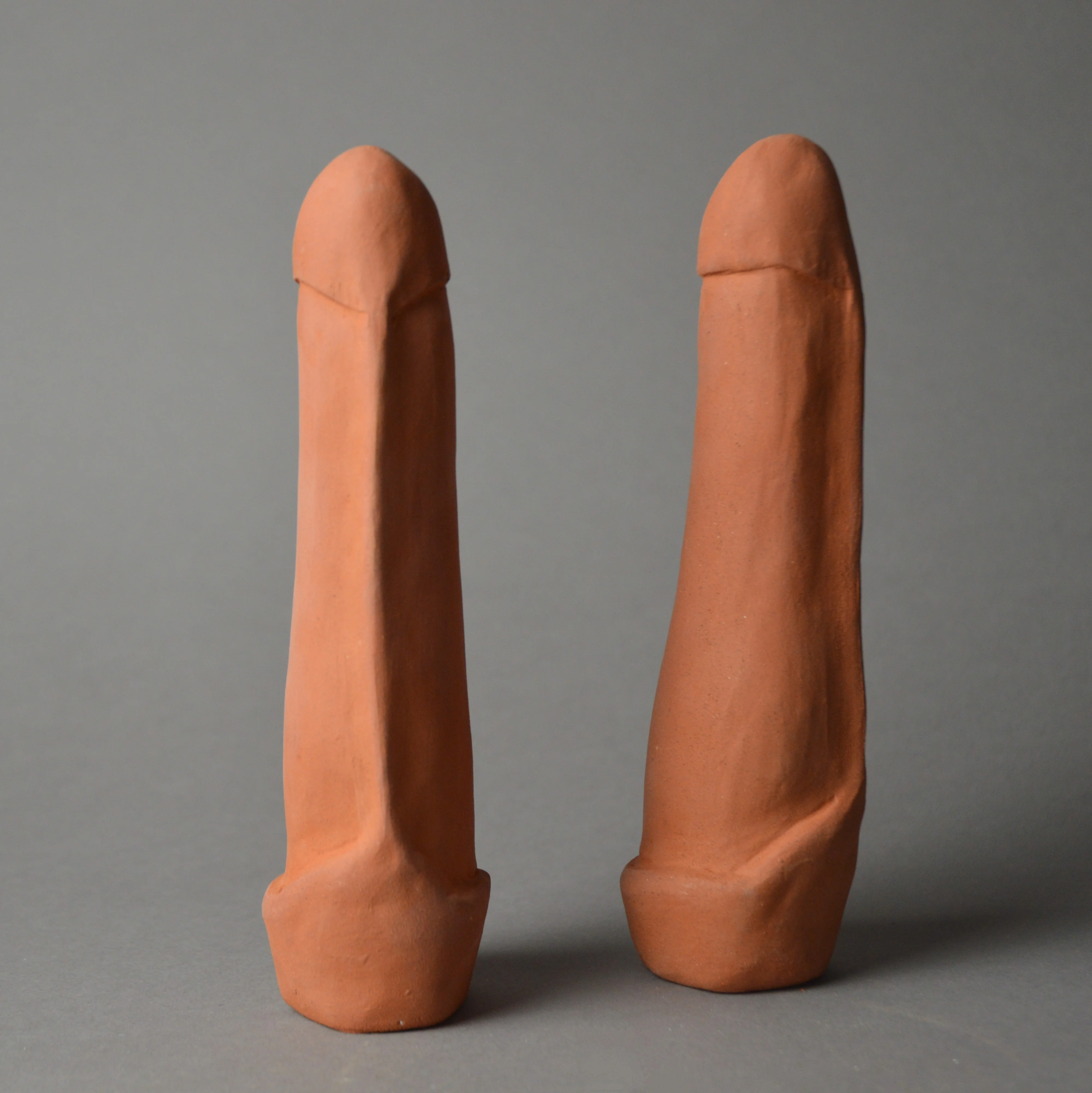
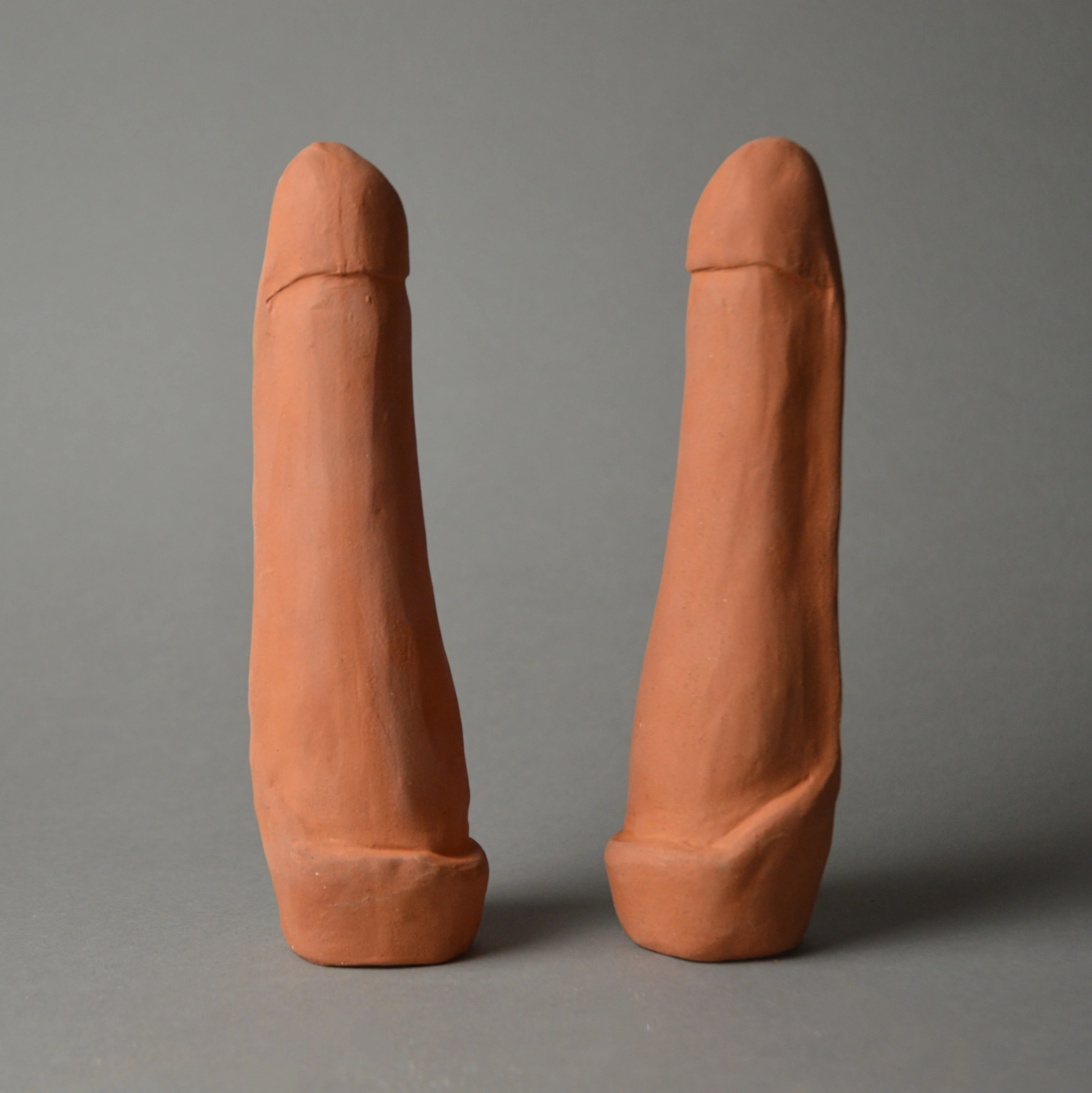
Handcrafted Roman Votive Phallus – Inspired by the Science Museum Collection
Details
This replica votive phallus is based on an original featured by the Science Museum Group, one of the UK's most respected museum bodies. The piece is dated between 200 BC and 200 AD, placing it within the rich context of Roman healing and religious practice.
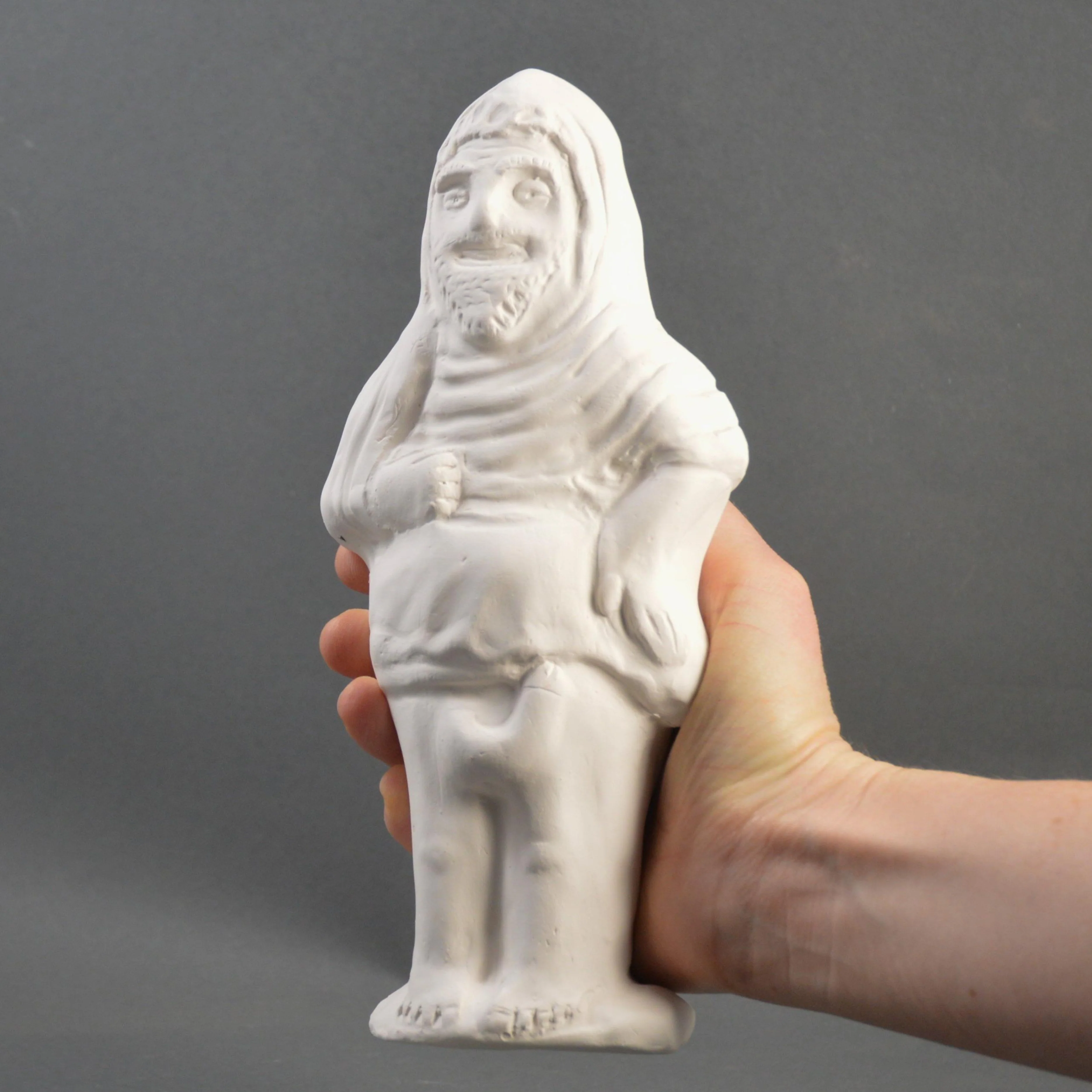
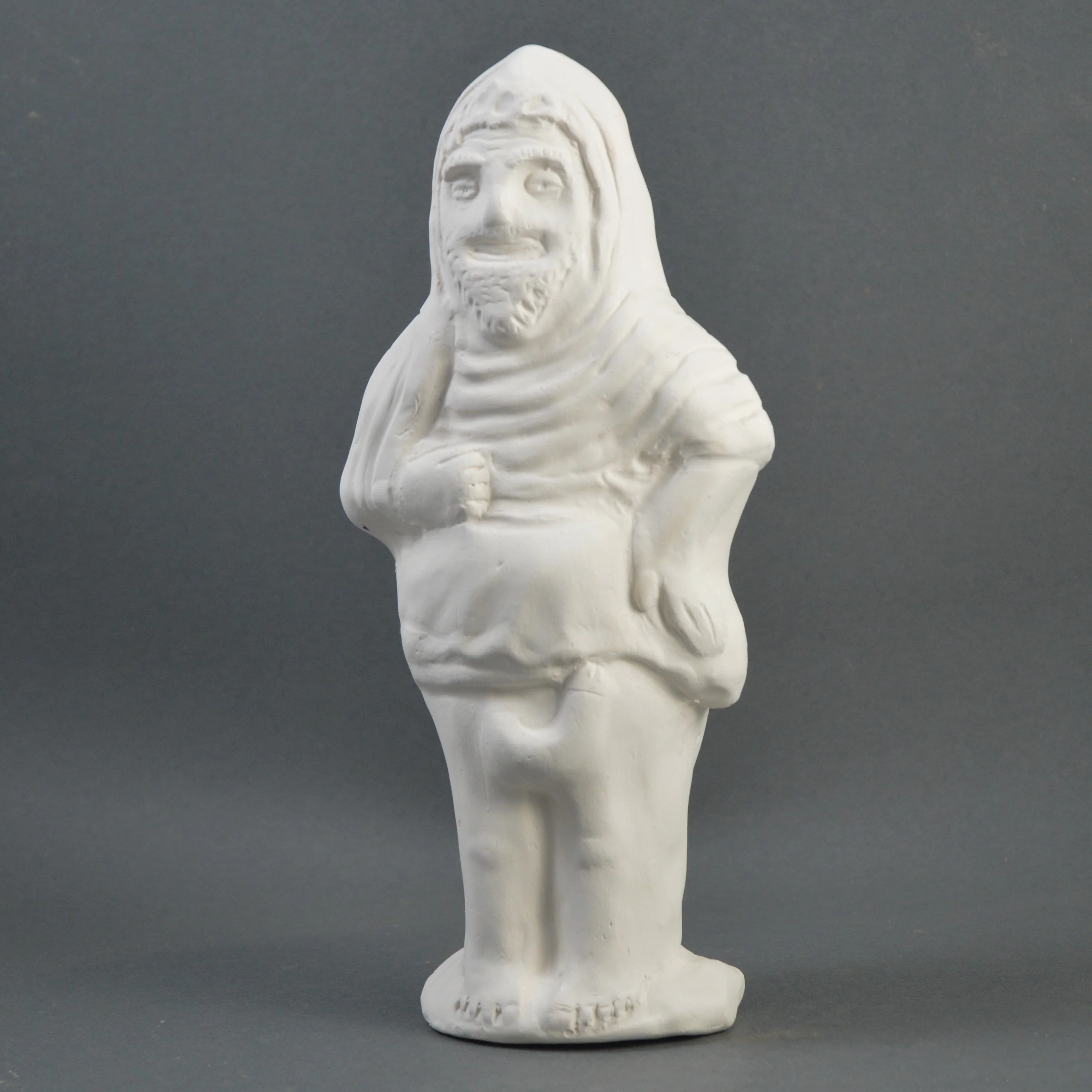
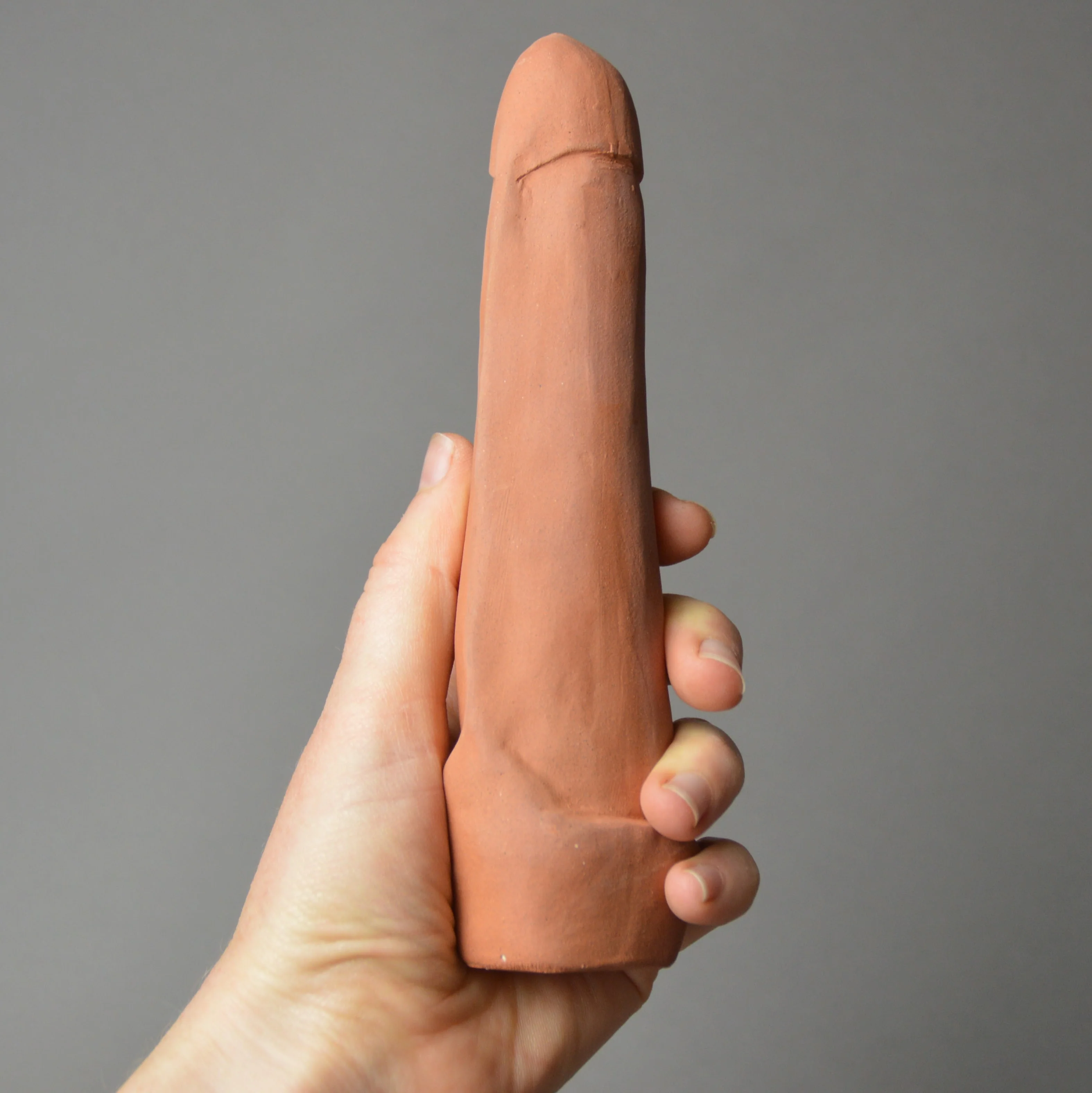
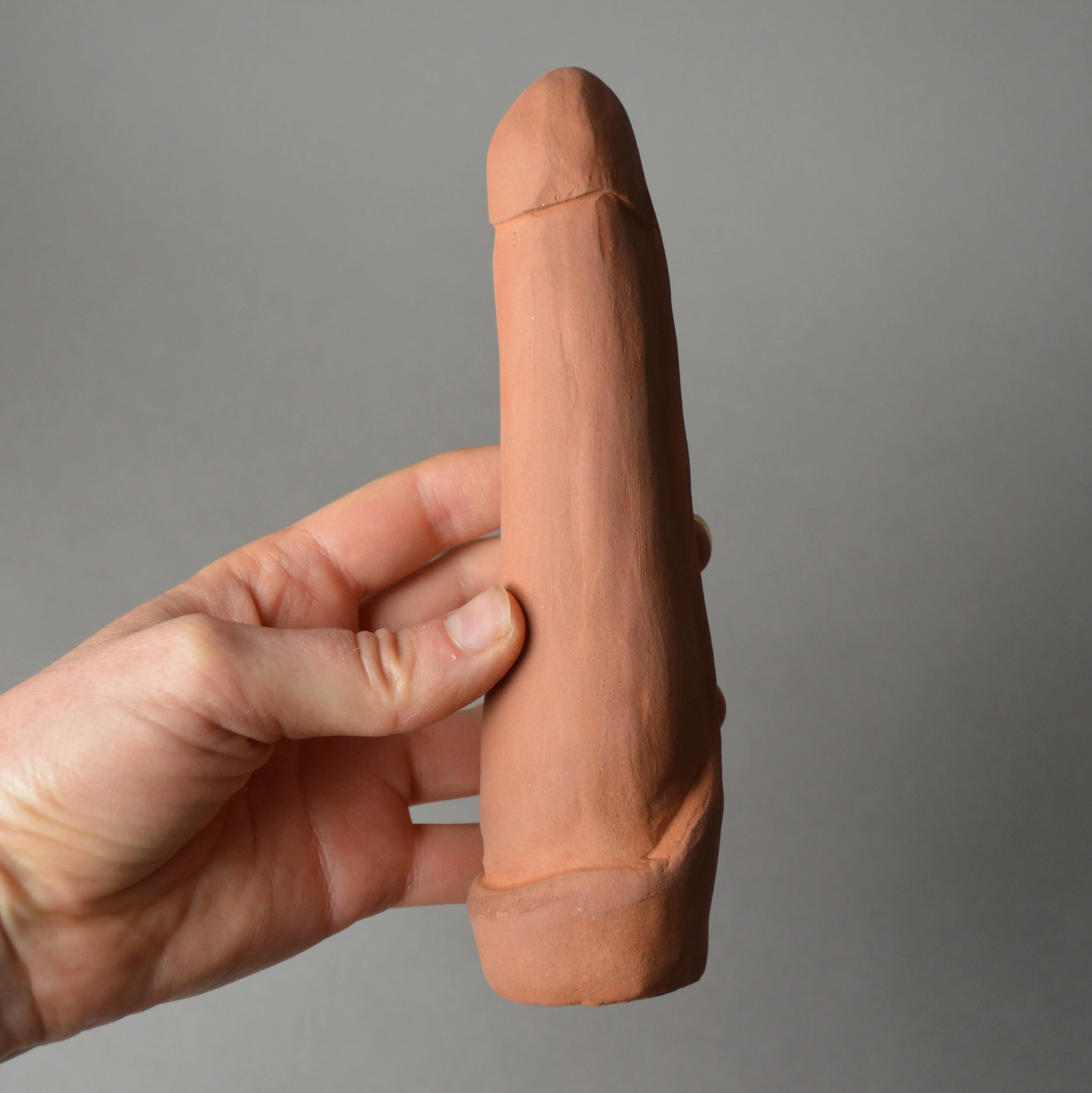
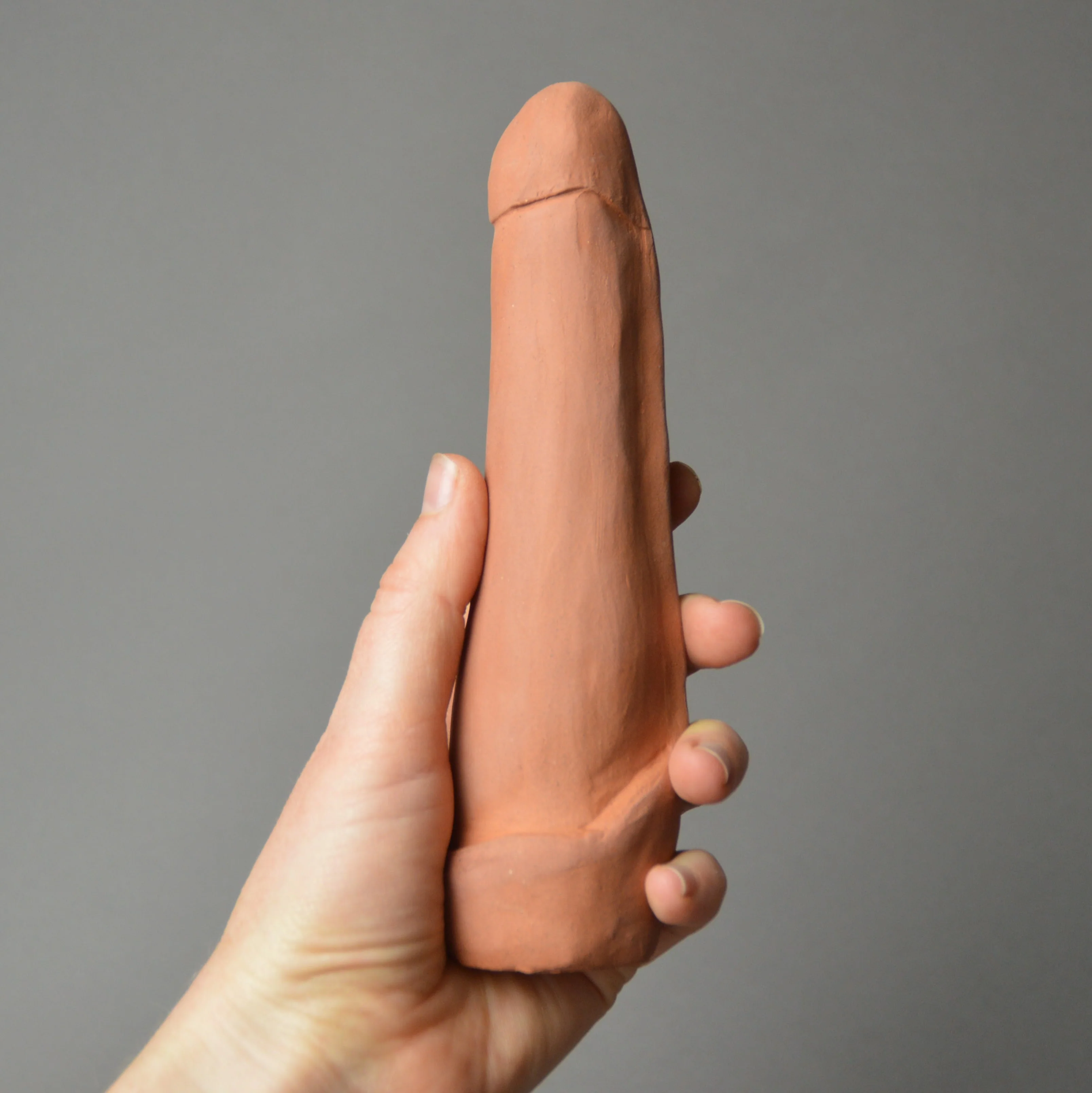
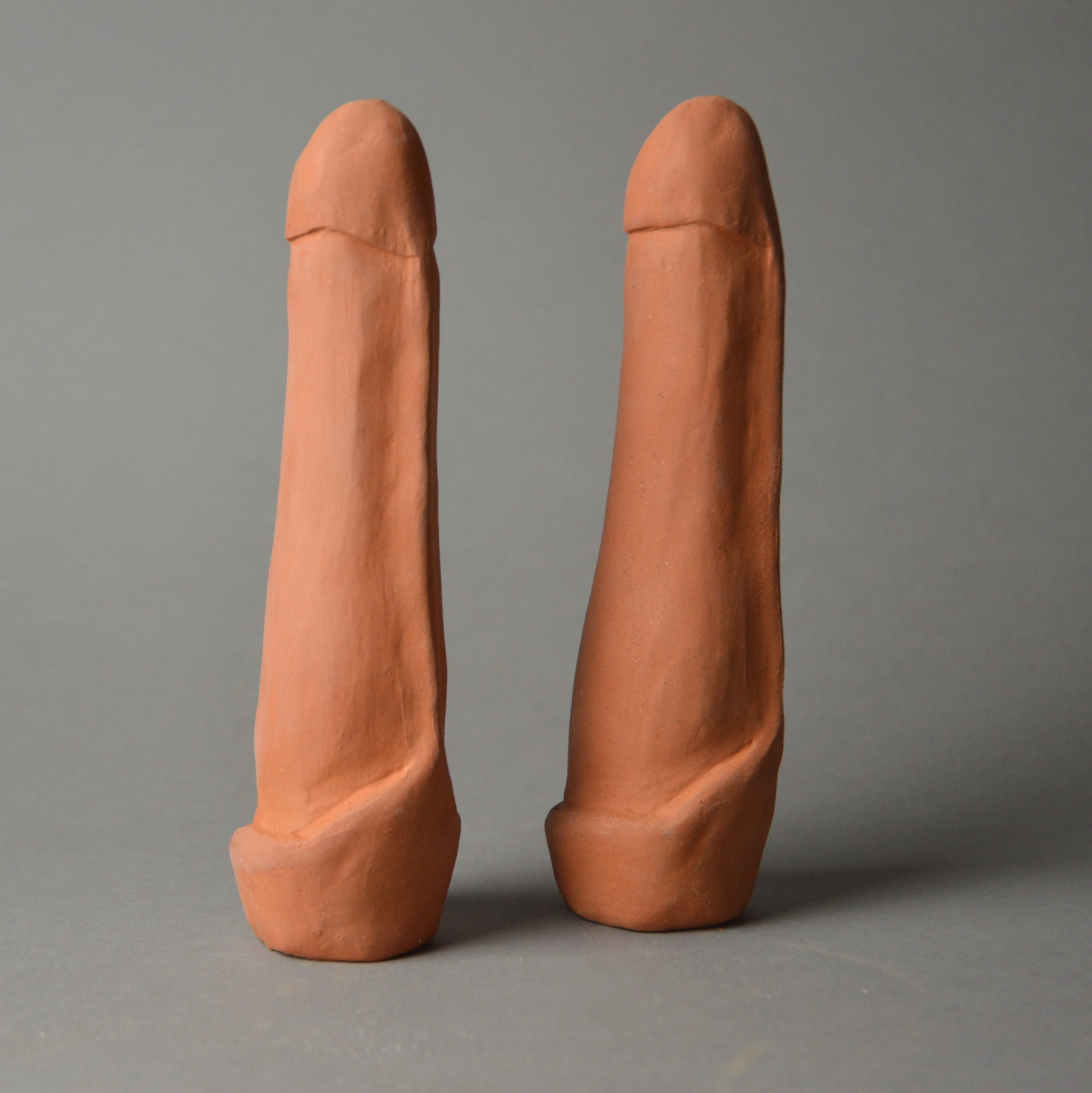
The figure represents a stylised penis, notably lacking a scrotum—a feature found in several examples from the period. Such votive phalluses were common across the Roman Empire and could vary significantly in design. These differences were often influenced by the specific ailment or concern of the person leaving the offering, as well as the artistic preferences of the potter who created it.
Votive phalluses have been uncovered during excavations across the Roman world and are now housed in numerous collections, including Vindolanda, The Science Museum, and The Wellcome Collection. These fascinating objects offer insights into both ancient medical anxieties and spiritual practices.
So why not follow in ancient footsteps and add one to your own collection?
Context
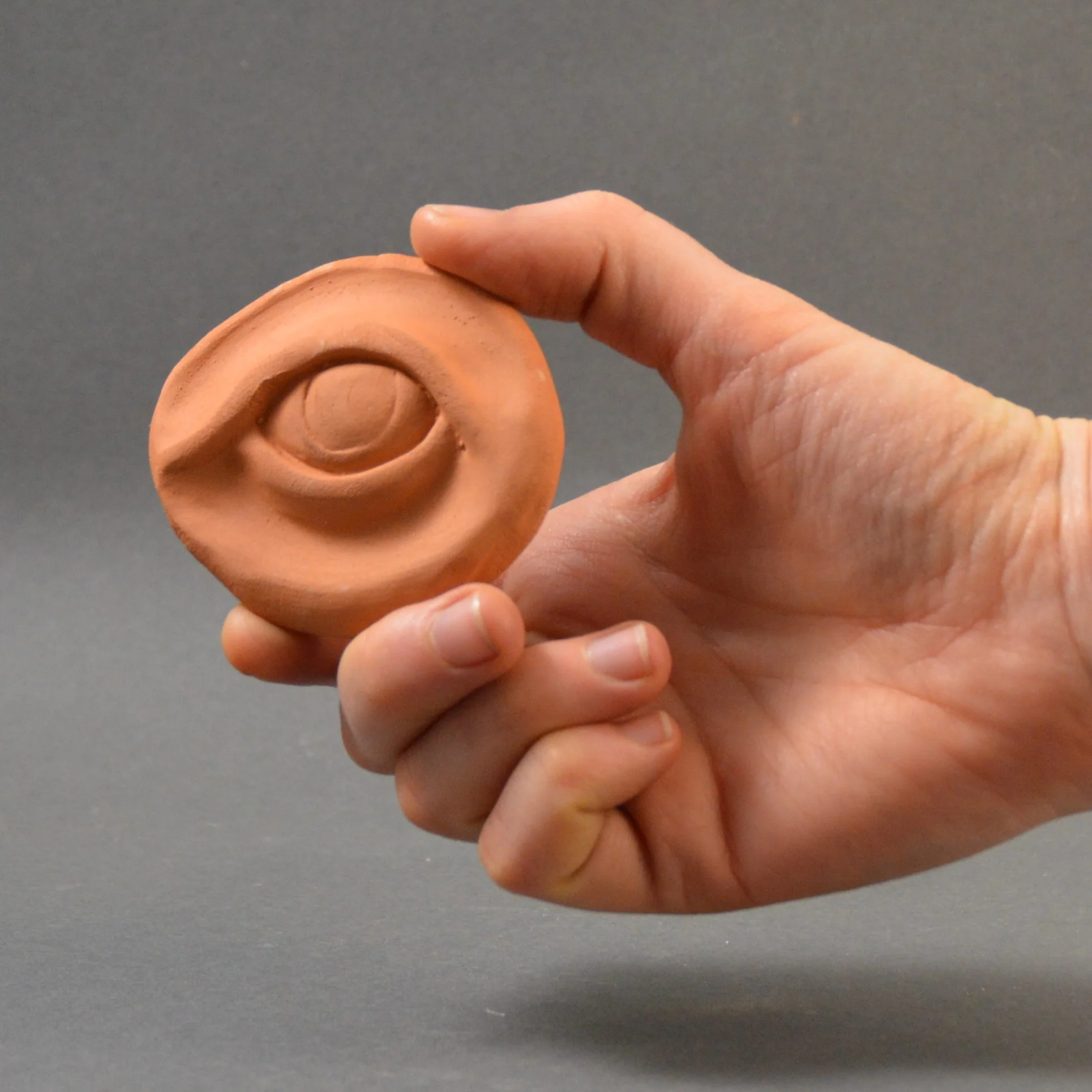
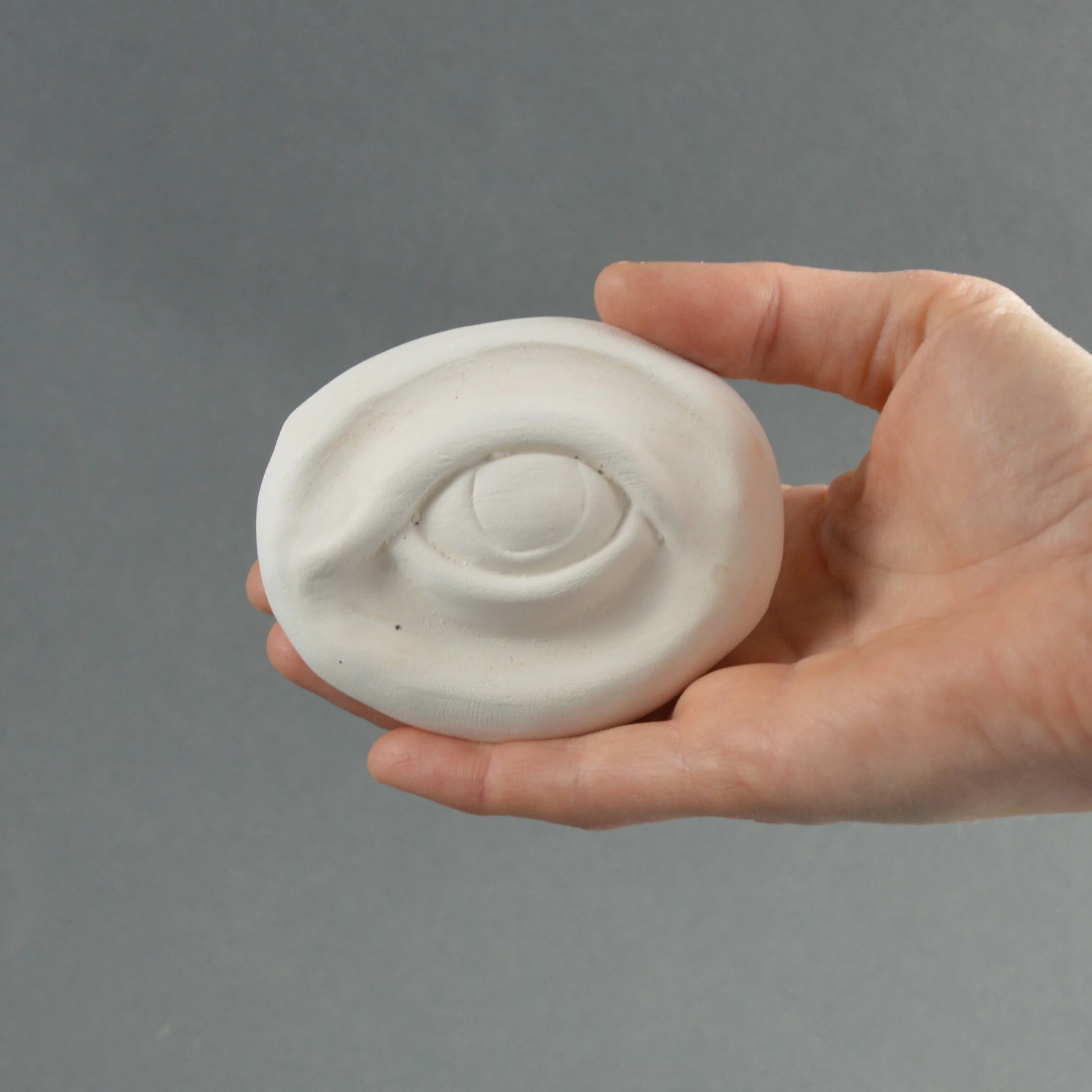
In the Roman world, it was common practice to leave votive offerings shaped like human body parts at healing sanctuaries and temples. These objects were often dedicated to the gods in the hope of recovery from illness or injury, or left as thanks following a successful healing. From eyes and limbs to ears and wombs—and yes, phalluses—there was a votive for every part of the human body.
While the effectiveness of divine intervention may remain a mystery, the sheer volume of these offerings found in archaeological contexts attests to their popularity and perceived power in ancient healthcare.
(We personally recommend combining the spiritual power of a votive phallus with the proven reliability of the NHS.)
Materials
White earthenware
Dimensions
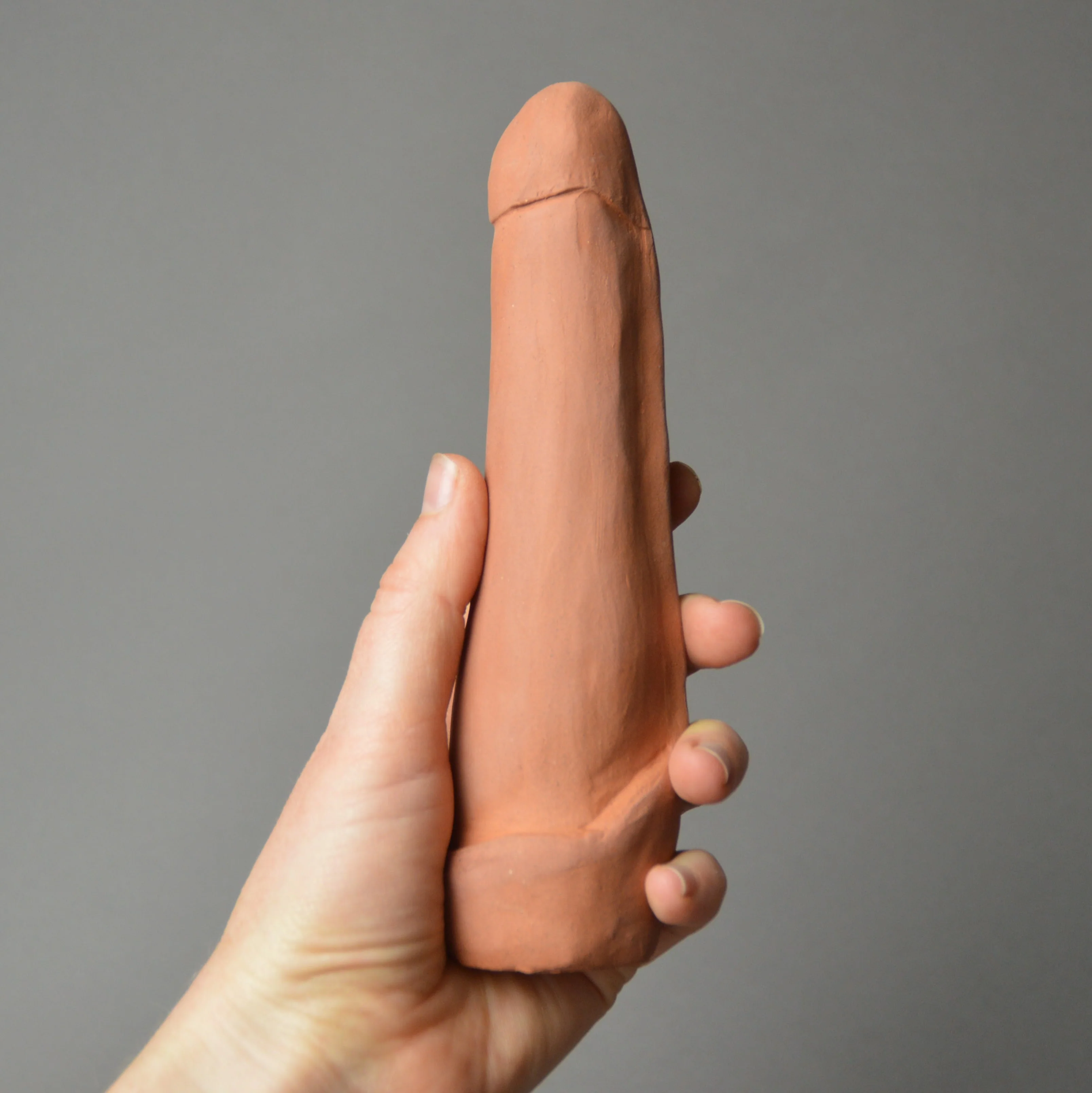
Height: Approx. 180 mm
Diameter: Approx. 40 mm
Production
This museum-quality replica has been handmade in Northumberland by Potted History, using traditional Roman techniques:
-
Crafted by hand from natural clay
-
Fired to a temperature between 800°C and 1000°C to replicate ancient pottery conditions
-
Left unglazed, resulting in a naturally porous surface and authentic tactile finish
-
As with original Roman pottery, each piece is unique, with variations in surface tone and texture
Health & Safety
This item is intended for decorative purposes only.
-
It is made of fragile ceramic, which can break into sharp pieces if dropped.
-
The surface is unglazed and porous, meaning it will absorb small amounts of moisture if exposed.
-
Absolutely do not get creative with its use. This is not a challenge, a suggestion, or an invitation.
-
Do not use your imagination.
-
Do not apply it to any part of your anatomy.
Just put it on a shelf and enjoy it as a beautifully made, slightly cheeky, and historically accurate replica of Roman religious practice.
Ordering Information
‘Add to Basket’ Items: Ready to ship immediately
‘Pre-order’ Items: Handmade to order within 90 days (longer for international orders). If your order includes both types, items will ship together once all are ready
Shipping
All items are sent via second-class postal service as standard
If you require first-class shipping, please contact us for a custom quote
Postage Note: Each piece is carefully packaged to ensure it arrives in perfect condition
A humorous, historical, and heartfelt nod to the Roman world’s intimate relationship with healing, belief, and the human body.
Original: $45.24
-70%$45.24
$13.57Product Information
Product Information
Shipping & Returns
Shipping & Returns
Description
Handcrafted Roman Votive Phallus – Inspired by the Science Museum Collection
Details
This replica votive phallus is based on an original featured by the Science Museum Group, one of the UK's most respected museum bodies. The piece is dated between 200 BC and 200 AD, placing it within the rich context of Roman healing and religious practice.
The figure represents a stylised penis, notably lacking a scrotum—a feature found in several examples from the period. Such votive phalluses were common across the Roman Empire and could vary significantly in design. These differences were often influenced by the specific ailment or concern of the person leaving the offering, as well as the artistic preferences of the potter who created it.
Votive phalluses have been uncovered during excavations across the Roman world and are now housed in numerous collections, including Vindolanda, The Science Museum, and The Wellcome Collection. These fascinating objects offer insights into both ancient medical anxieties and spiritual practices.
So why not follow in ancient footsteps and add one to your own collection?
Context
In the Roman world, it was common practice to leave votive offerings shaped like human body parts at healing sanctuaries and temples. These objects were often dedicated to the gods in the hope of recovery from illness or injury, or left as thanks following a successful healing. From eyes and limbs to ears and wombs—and yes, phalluses—there was a votive for every part of the human body.
While the effectiveness of divine intervention may remain a mystery, the sheer volume of these offerings found in archaeological contexts attests to their popularity and perceived power in ancient healthcare.
(We personally recommend combining the spiritual power of a votive phallus with the proven reliability of the NHS.)
Materials
White earthenware
Dimensions
Height: Approx. 180 mm
Diameter: Approx. 40 mm
Production
This museum-quality replica has been handmade in Northumberland by Potted History, using traditional Roman techniques:
-
Crafted by hand from natural clay
-
Fired to a temperature between 800°C and 1000°C to replicate ancient pottery conditions
-
Left unglazed, resulting in a naturally porous surface and authentic tactile finish
-
As with original Roman pottery, each piece is unique, with variations in surface tone and texture
Health & Safety
This item is intended for decorative purposes only.
-
It is made of fragile ceramic, which can break into sharp pieces if dropped.
-
The surface is unglazed and porous, meaning it will absorb small amounts of moisture if exposed.
-
Absolutely do not get creative with its use. This is not a challenge, a suggestion, or an invitation.
-
Do not use your imagination.
-
Do not apply it to any part of your anatomy.
Just put it on a shelf and enjoy it as a beautifully made, slightly cheeky, and historically accurate replica of Roman religious practice.
Ordering Information
‘Add to Basket’ Items: Ready to ship immediately
‘Pre-order’ Items: Handmade to order within 90 days (longer for international orders). If your order includes both types, items will ship together once all are ready
Shipping
All items are sent via second-class postal service as standard
If you require first-class shipping, please contact us for a custom quote
Postage Note: Each piece is carefully packaged to ensure it arrives in perfect condition
A humorous, historical, and heartfelt nod to the Roman world’s intimate relationship with healing, belief, and the human body.