Votive Breasts White Pipeclay
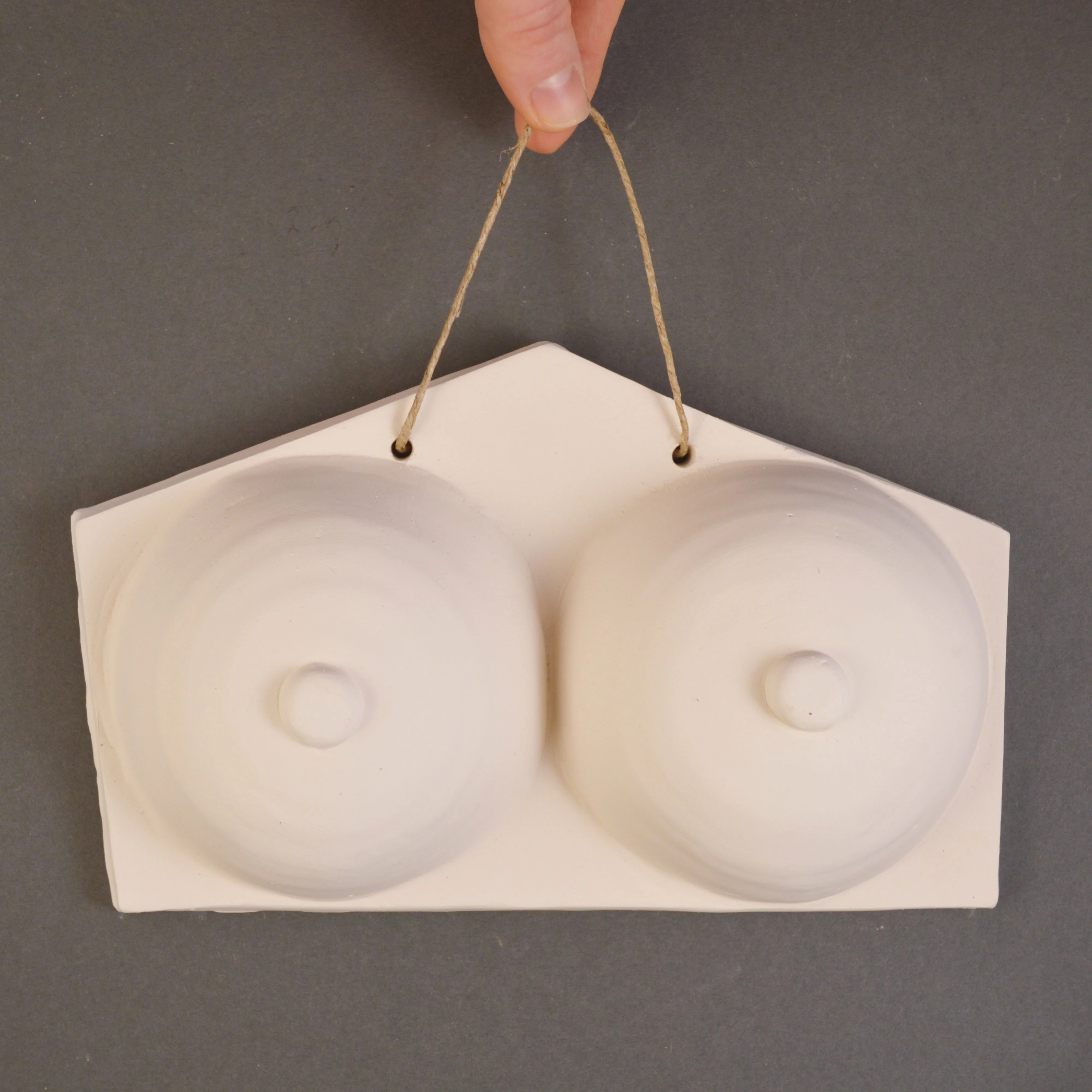
Handcrafted Roman Votive Offering – Breasts Plaque
Details
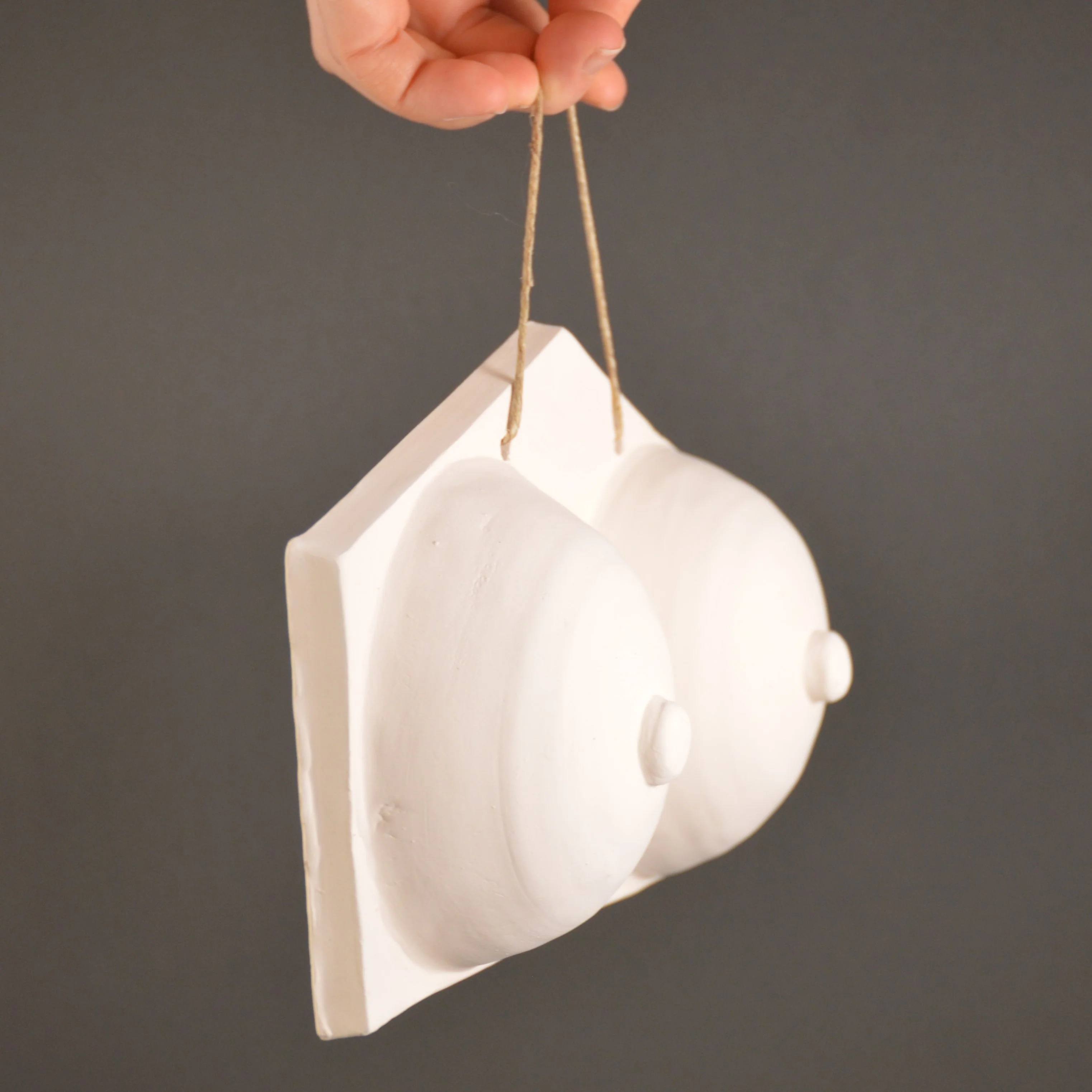
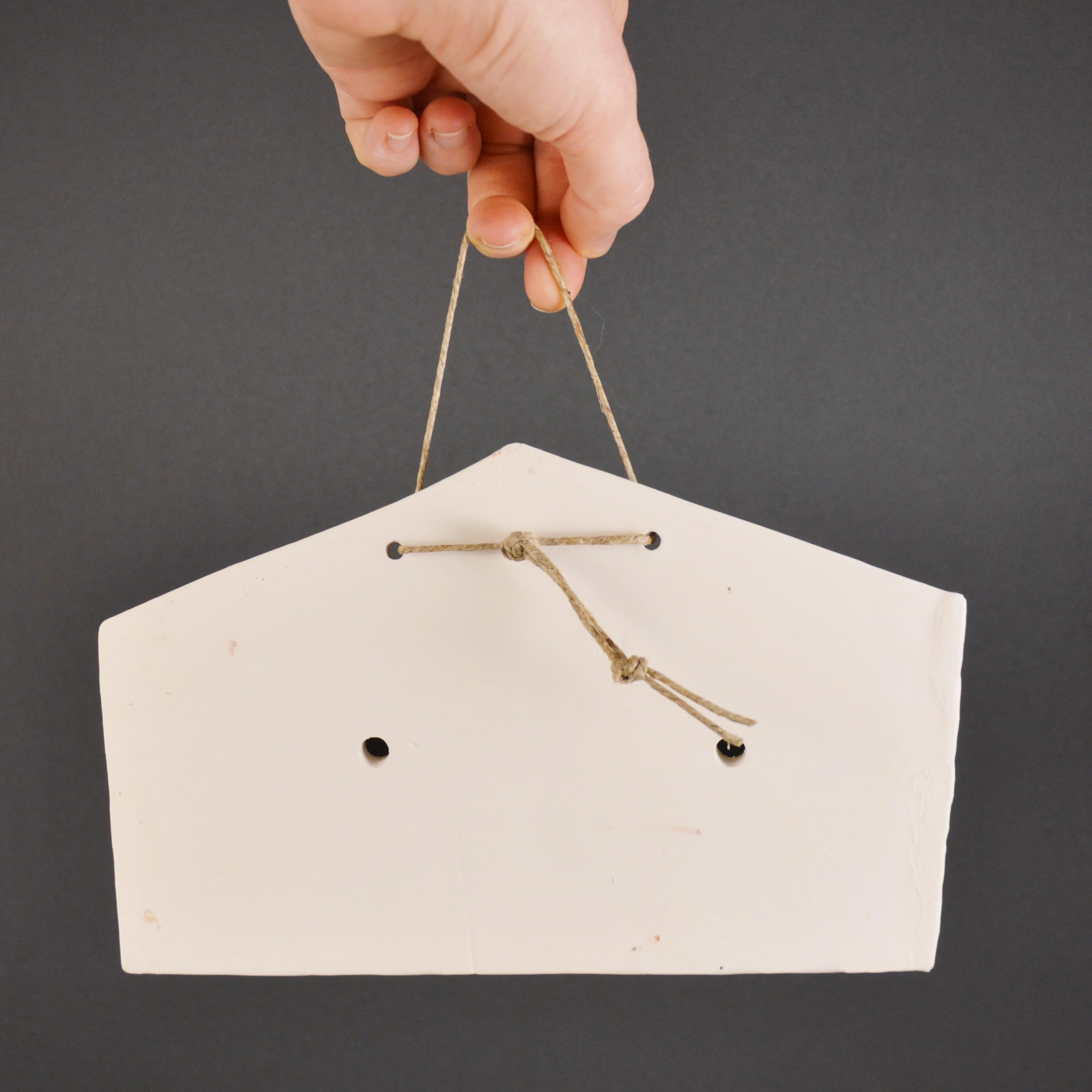
This museum-quality replica is inspired by a votive offering discovered at the Asklepieion in Corinth, a sanctuary dedicated to Asklepios, the Greek god of healing and medicine. The design features a pair of sculpted breasts attached to a plaque, with holes for threading string or leather, suggesting the original was intended to be hung on a wall or within a sacred space.
Votive offerings like this were common in both the Ancient Greek and Roman worlds, and numerous variations have been found across the former territories of the Roman Empire. While the style and detailing of such offerings differ—likely due to regional traditions and the creativity of individual potters—their purpose remained consistent: a physical plea or thanks to the gods.
This piece represents just one example from a much broader tradition of anatomical votives, left at healing sanctuaries by those seeking divine intervention or offering gratitude after recovery.
Context
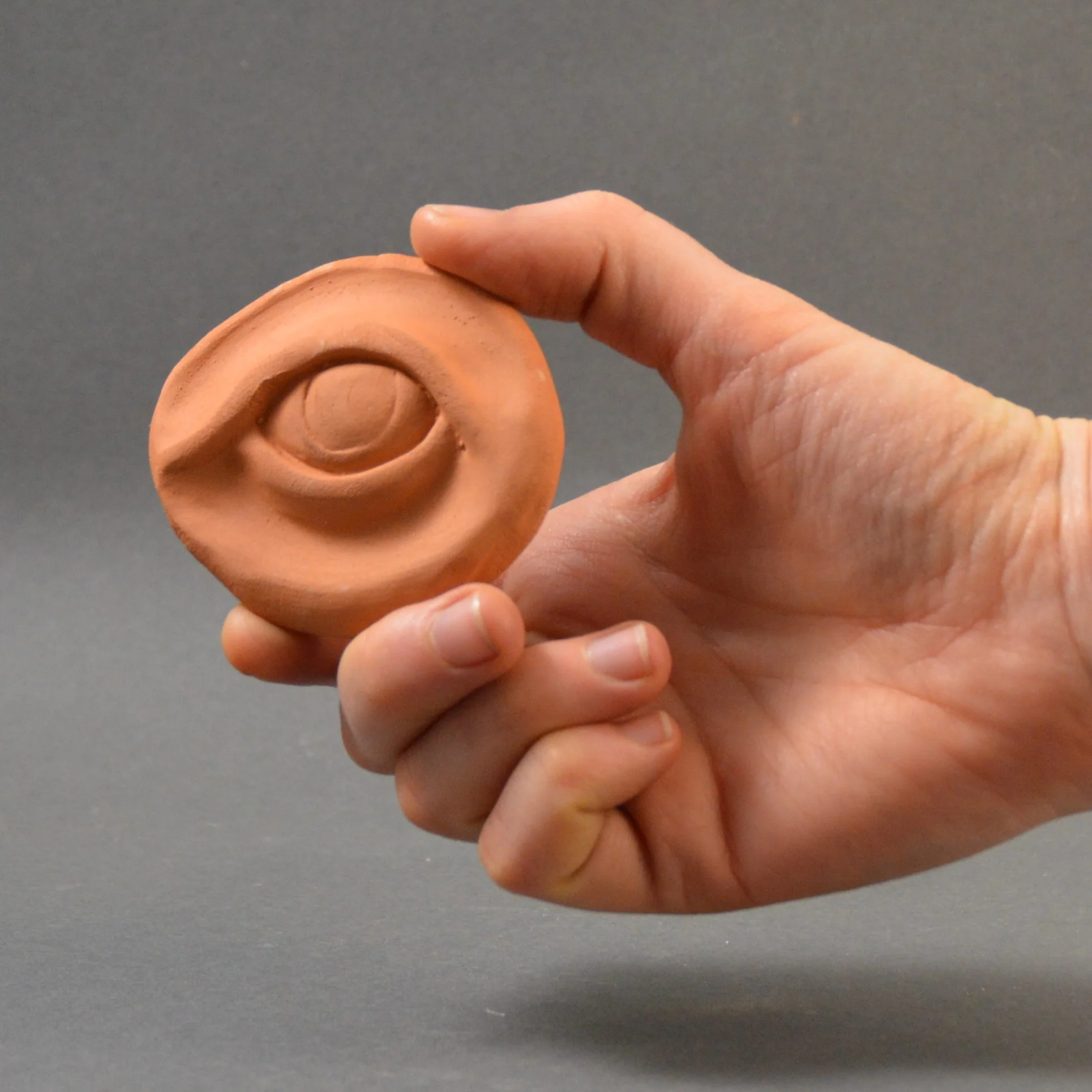
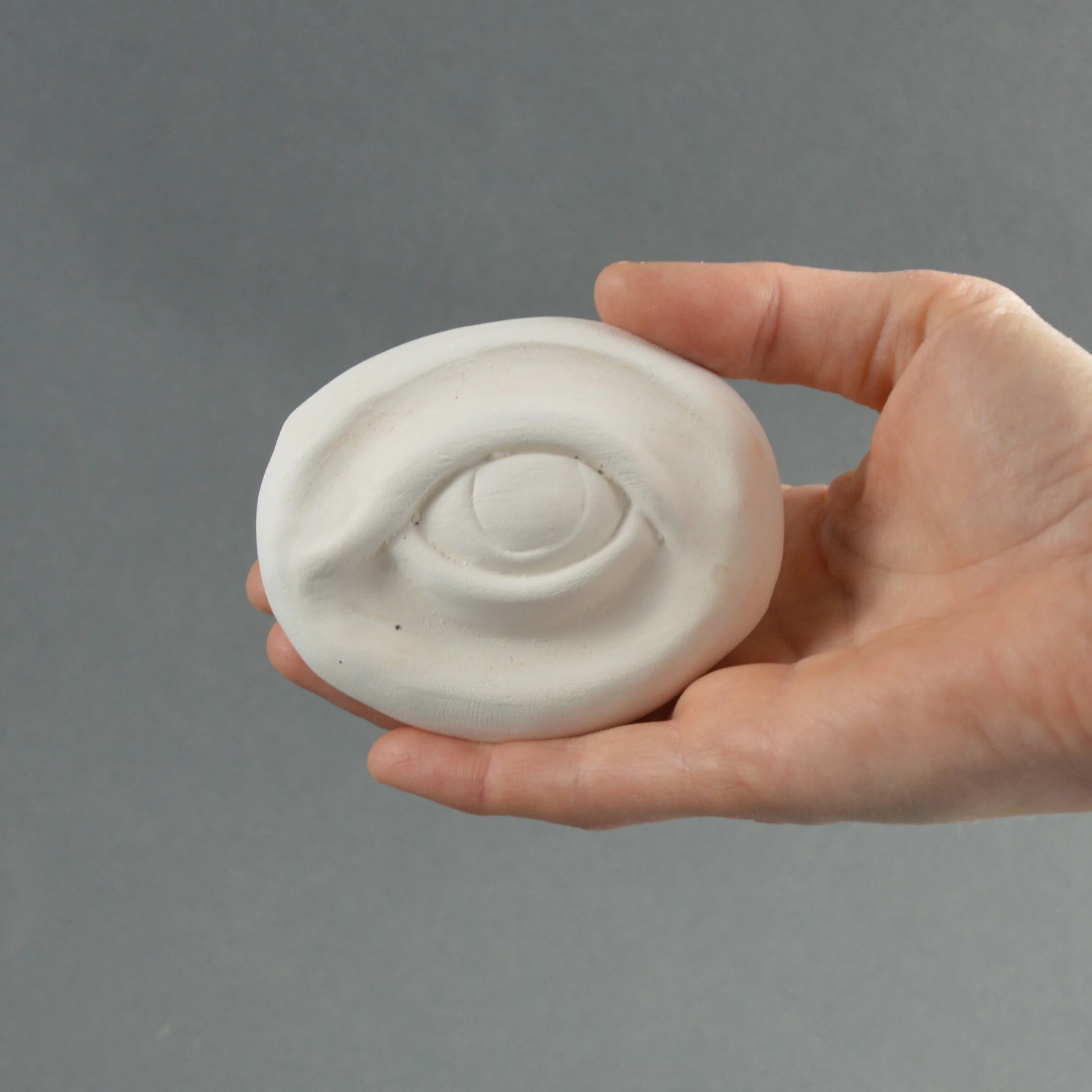
Thousands of votive offerings depicting human body parts—including eyes, legs, wombs, hands, and breasts—have been recovered from archaeological sites across the Mediterranean. They were typically deposited at temples, shrines, or healing sanctuaries, such as those dedicated to Asklepios or Hygeia, his daughter and a personification of health.
It is believed these votives were offered in the hope of healing, or in thanks for divine aid already received. For example, a woman suffering from mastitis, infertility, or breast disease might offer a votive like this, appealing to the gods for relief. Others may have left such offerings to honour a successful recovery or birth.
The effectiveness of these acts of devotion remains a mystery, but the sheer quantity and variety of votive offerings suggest that they were deeply woven into the fabric of ancient life and health care. Whatever one makes of their healing power, they represent a fascinating intersection of faith, health, and personal vulnerability in the ancient world.
Personally, I prefer to place my trust in the hard-working professionals of the NHS—though it's clear our Roman ancestors had other ideas!
Materials
White pipeclay.
Dimensions
Height: Approx. 65 mm
Width: Approx. 215 mm
Production
This replica has been handmade in Northumberland by Potted History, based on an original artefact. It has been fired between 800°C and 1000°C, emulating Roman ceramic production techniques used nearly two thousand years ago. As with original Roman pottery, surface texture and colour may vary slightly from piece to piece, ensuring each item is truly unique.
Postage
All items are sent via second-class postal service as standard.
If you require first-class shipping, please contact us for a quote.
Postage Note: All items are carefully packaged to ensure they arrive in perfect condition.
A powerful and personal window into Roman ritual life, this votive offering is a striking reminder of how ancient people sought comfort, healing, and hope in times of need.
Original: $39.92
-70%$39.92
$11.98Product Information
Product Information
Shipping & Returns
Shipping & Returns
Description
Handcrafted Roman Votive Offering – Breasts Plaque
Details
This museum-quality replica is inspired by a votive offering discovered at the Asklepieion in Corinth, a sanctuary dedicated to Asklepios, the Greek god of healing and medicine. The design features a pair of sculpted breasts attached to a plaque, with holes for threading string or leather, suggesting the original was intended to be hung on a wall or within a sacred space.
Votive offerings like this were common in both the Ancient Greek and Roman worlds, and numerous variations have been found across the former territories of the Roman Empire. While the style and detailing of such offerings differ—likely due to regional traditions and the creativity of individual potters—their purpose remained consistent: a physical plea or thanks to the gods.
This piece represents just one example from a much broader tradition of anatomical votives, left at healing sanctuaries by those seeking divine intervention or offering gratitude after recovery.
Context
Thousands of votive offerings depicting human body parts—including eyes, legs, wombs, hands, and breasts—have been recovered from archaeological sites across the Mediterranean. They were typically deposited at temples, shrines, or healing sanctuaries, such as those dedicated to Asklepios or Hygeia, his daughter and a personification of health.
It is believed these votives were offered in the hope of healing, or in thanks for divine aid already received. For example, a woman suffering from mastitis, infertility, or breast disease might offer a votive like this, appealing to the gods for relief. Others may have left such offerings to honour a successful recovery or birth.
The effectiveness of these acts of devotion remains a mystery, but the sheer quantity and variety of votive offerings suggest that they were deeply woven into the fabric of ancient life and health care. Whatever one makes of their healing power, they represent a fascinating intersection of faith, health, and personal vulnerability in the ancient world.
Personally, I prefer to place my trust in the hard-working professionals of the NHS—though it's clear our Roman ancestors had other ideas!
Materials
White pipeclay.
Dimensions
Height: Approx. 65 mm
Width: Approx. 215 mm
Production
This replica has been handmade in Northumberland by Potted History, based on an original artefact. It has been fired between 800°C and 1000°C, emulating Roman ceramic production techniques used nearly two thousand years ago. As with original Roman pottery, surface texture and colour may vary slightly from piece to piece, ensuring each item is truly unique.
Postage
All items are sent via second-class postal service as standard.
If you require first-class shipping, please contact us for a quote.
Postage Note: All items are carefully packaged to ensure they arrive in perfect condition.
A powerful and personal window into Roman ritual life, this votive offering is a striking reminder of how ancient people sought comfort, healing, and hope in times of need.