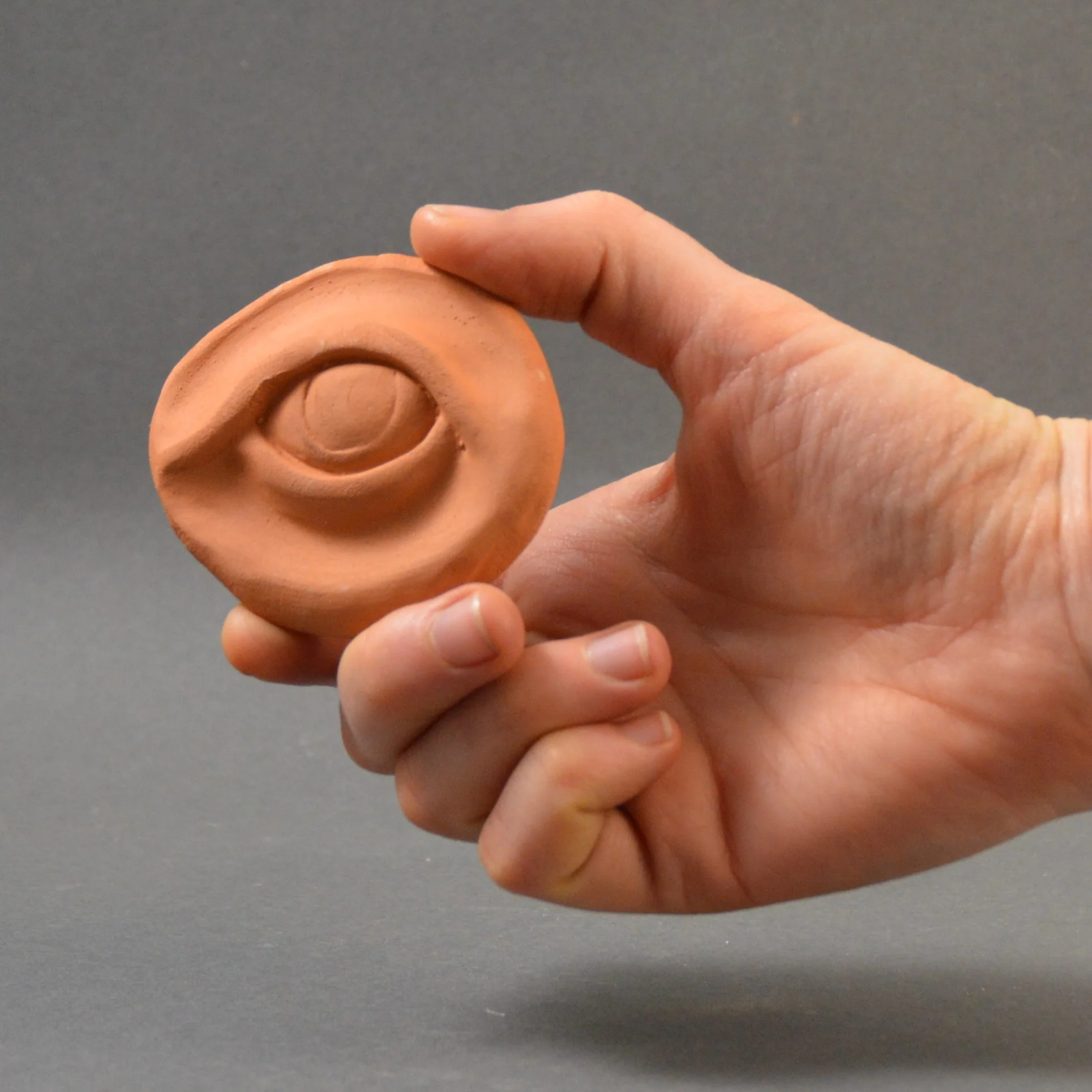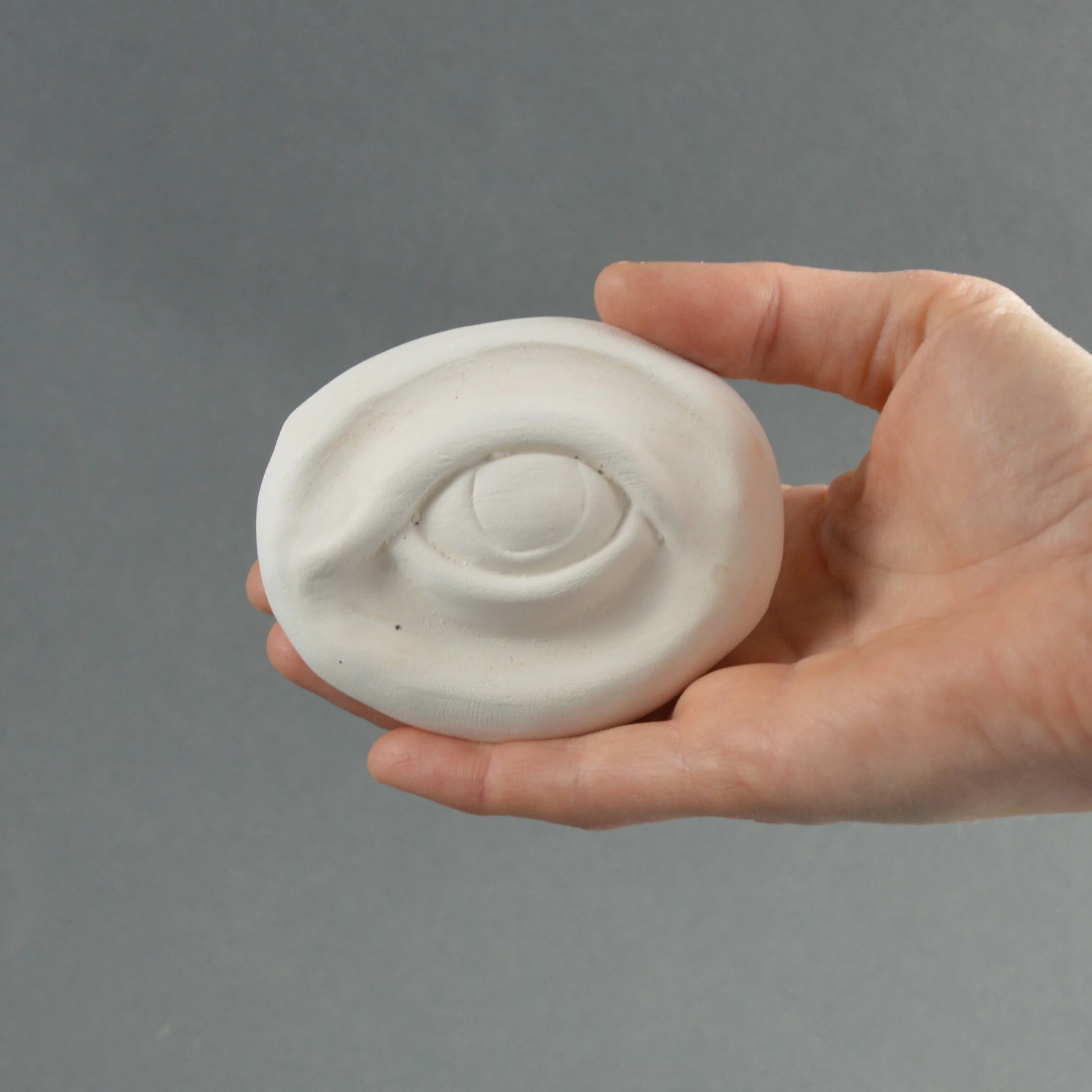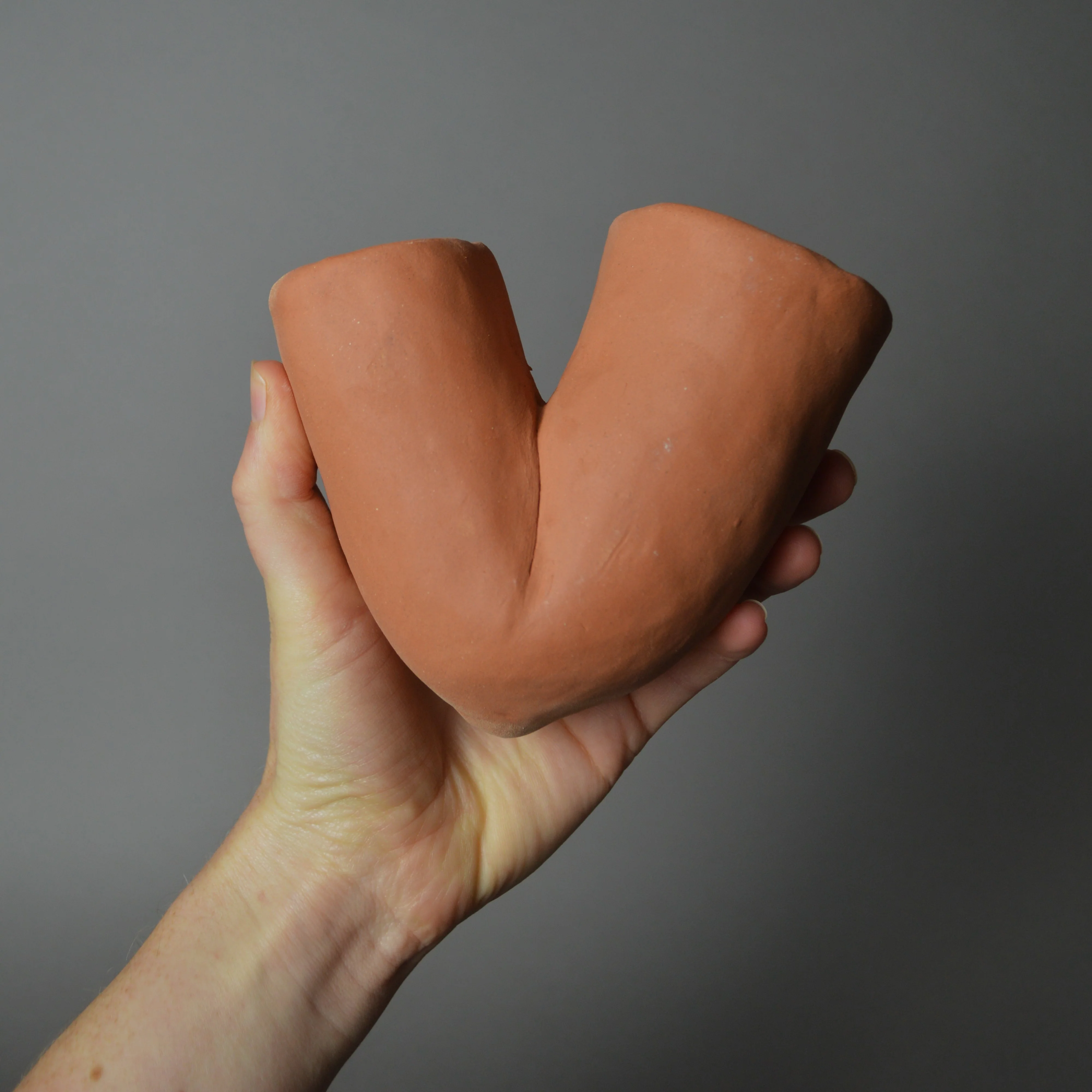
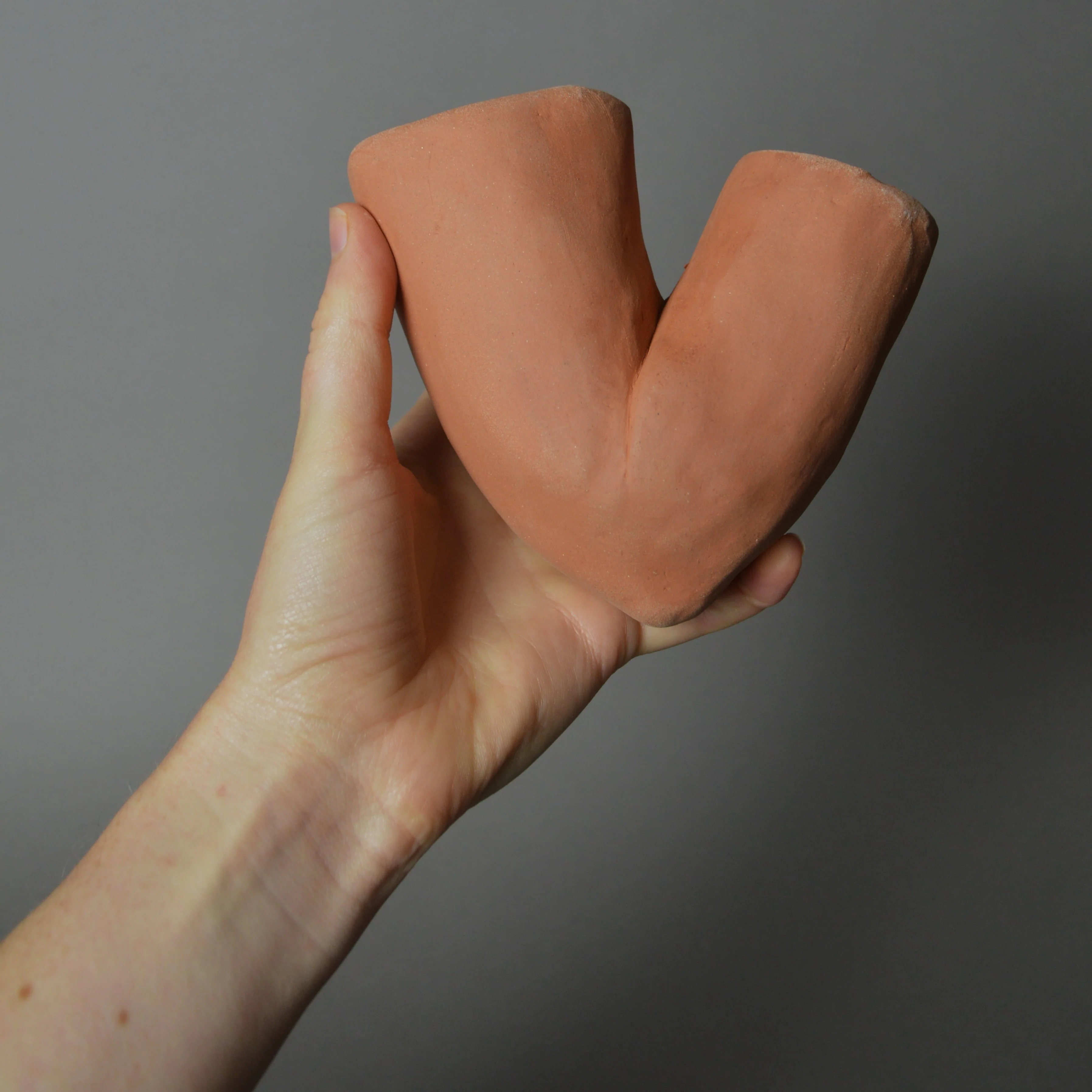
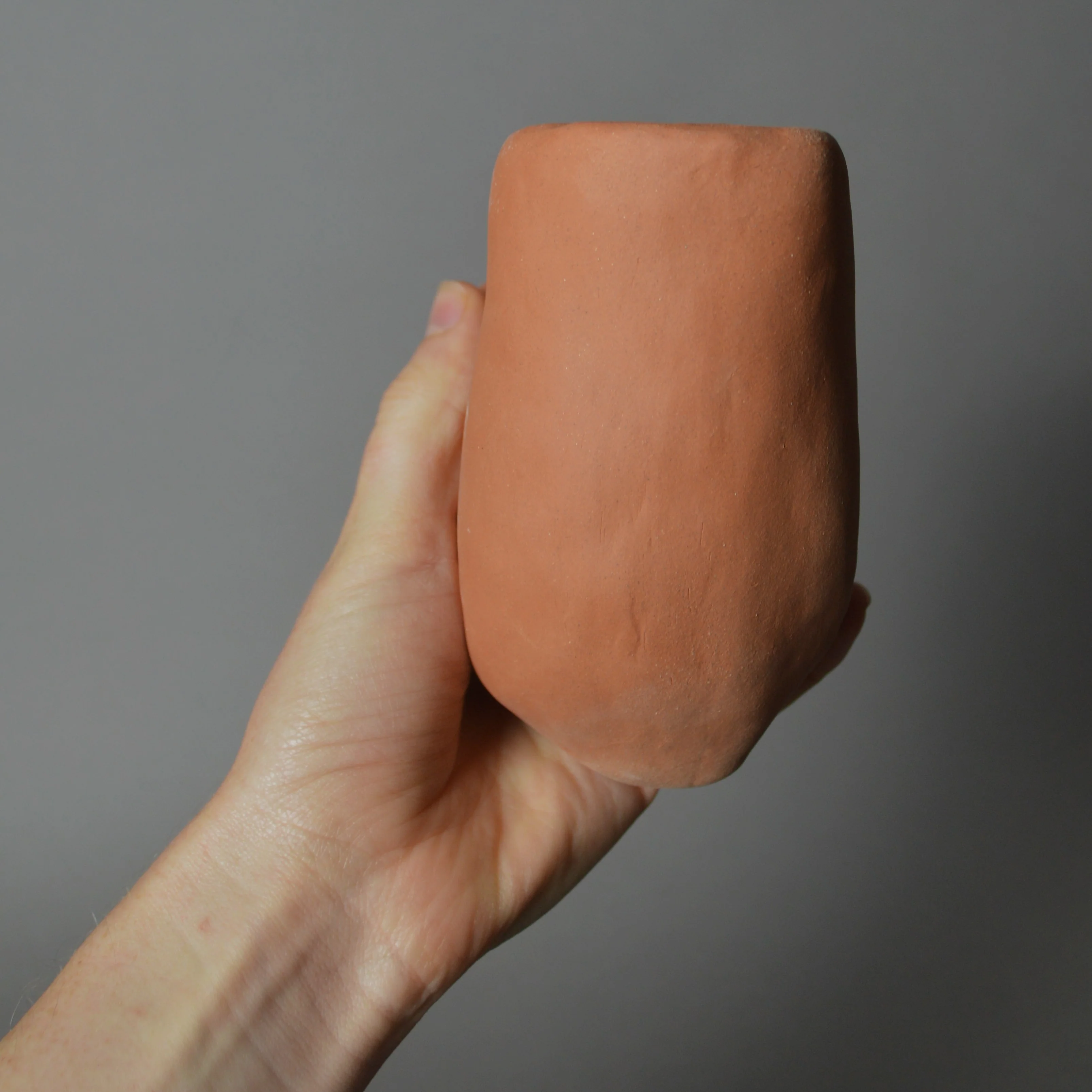
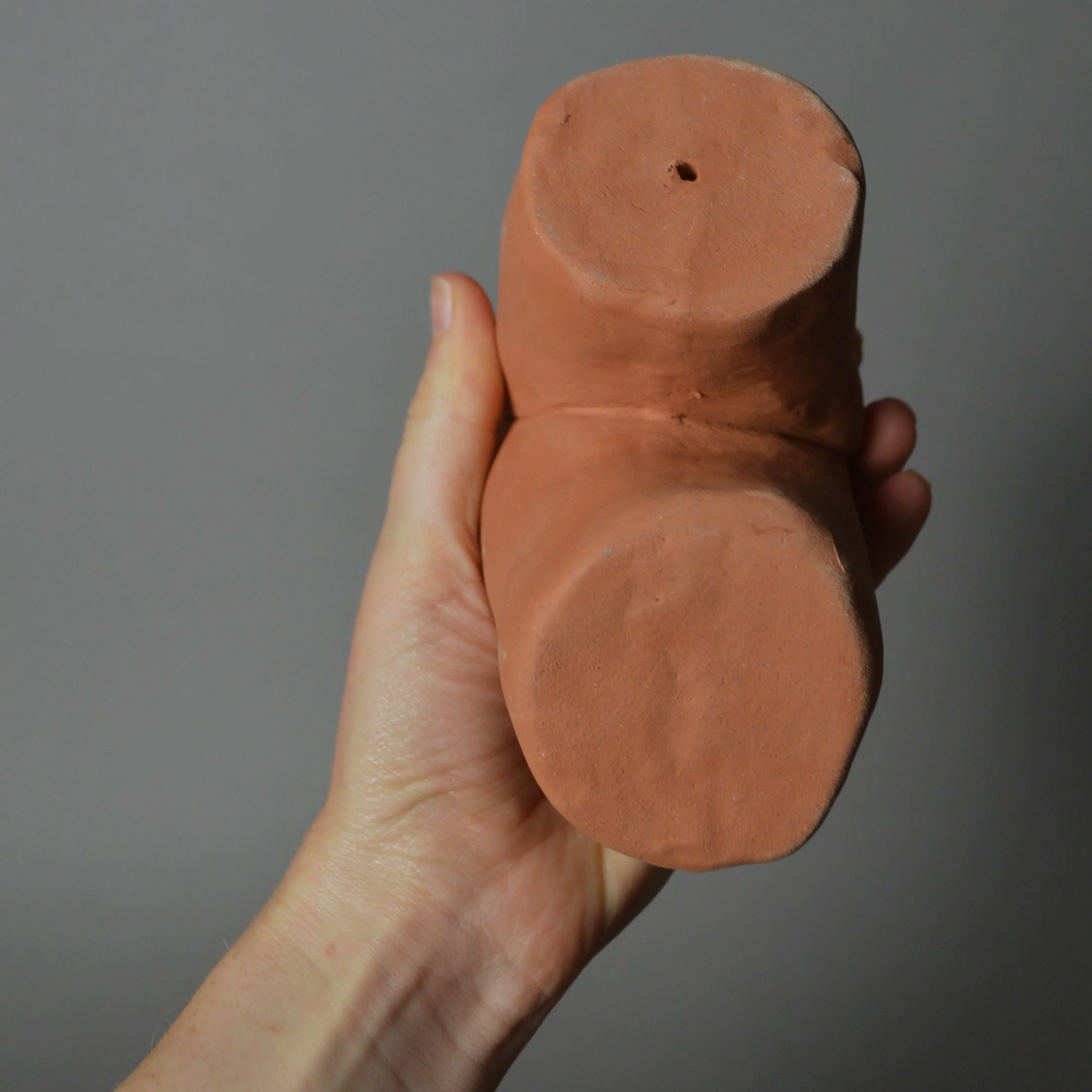
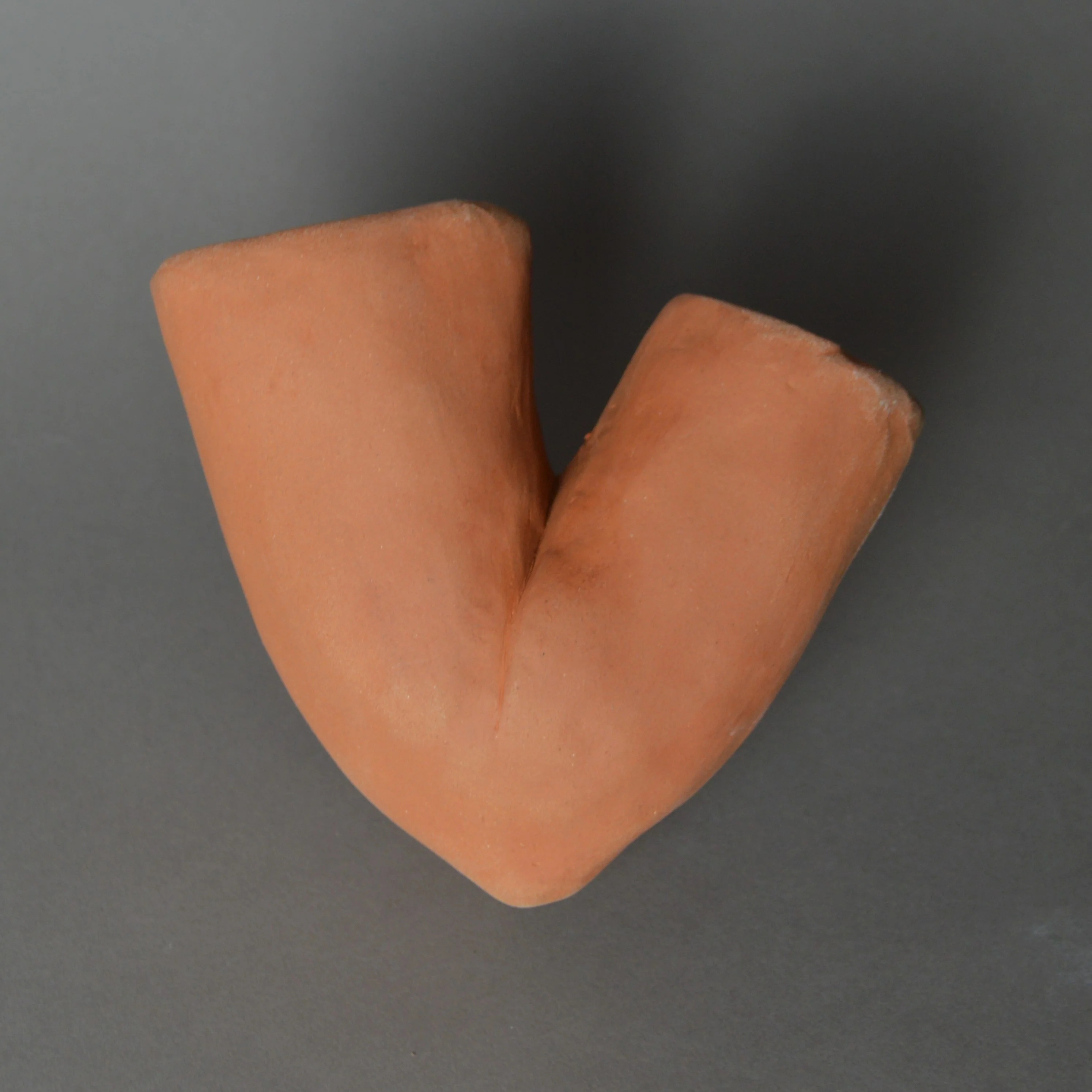
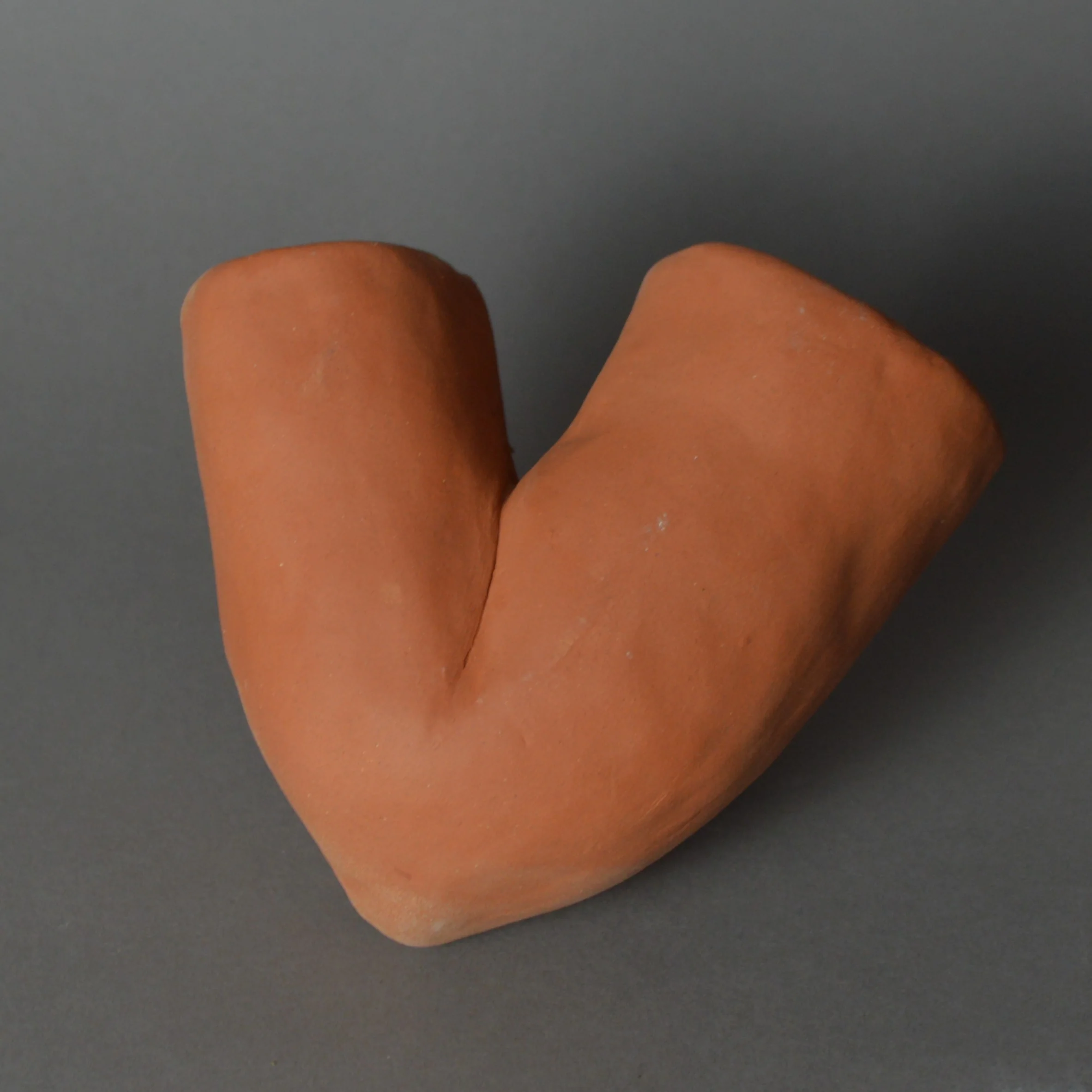
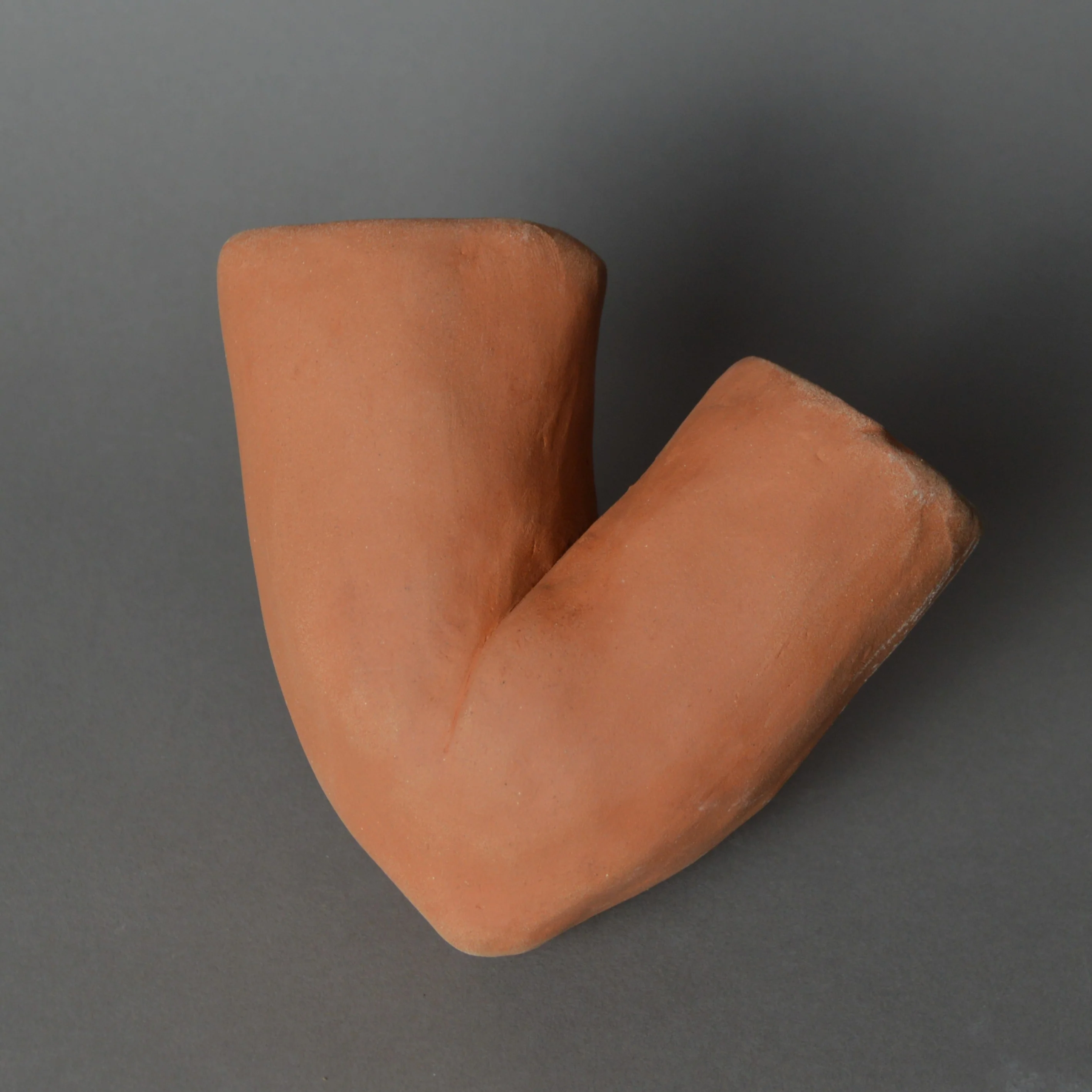
Roman Votive Elbow
Details
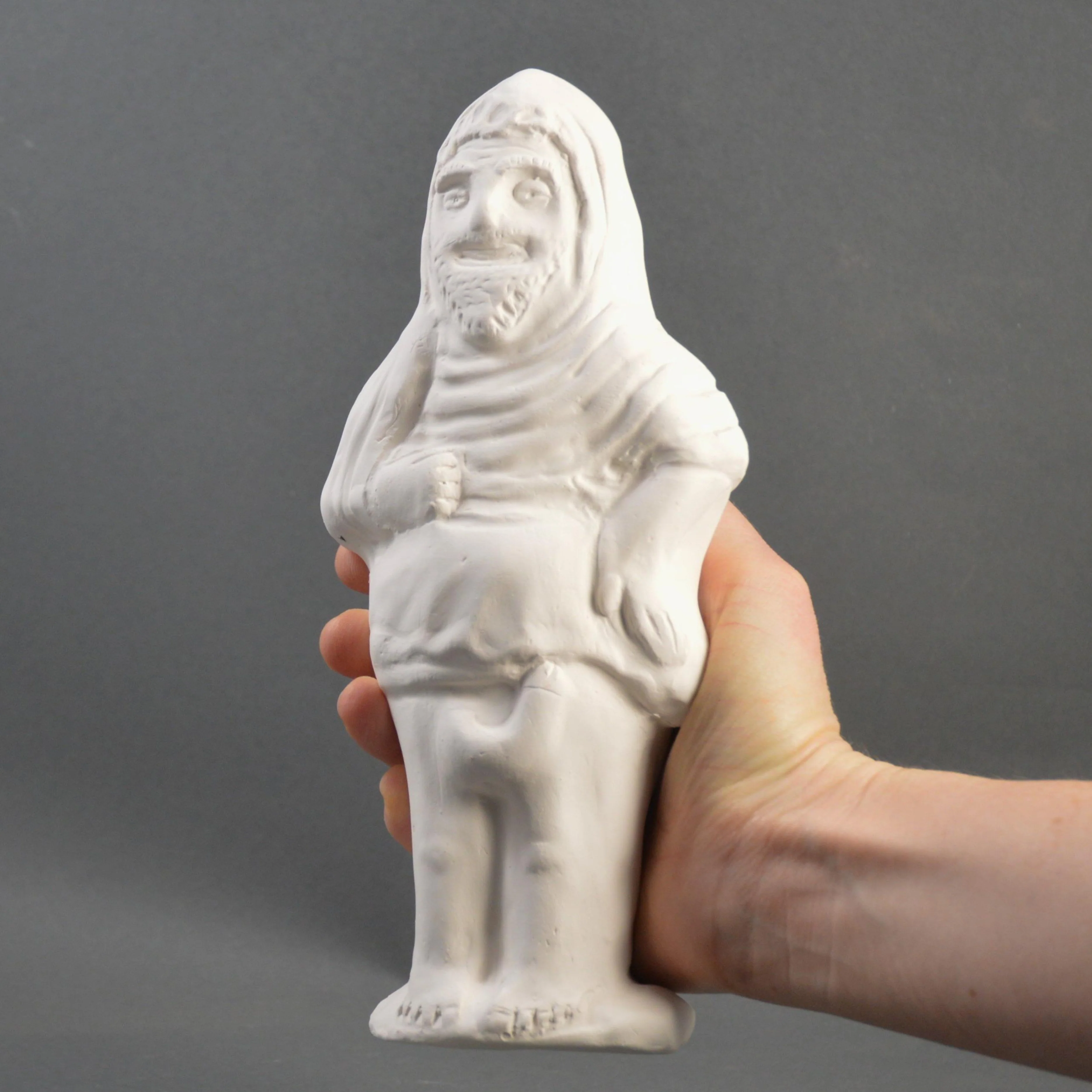
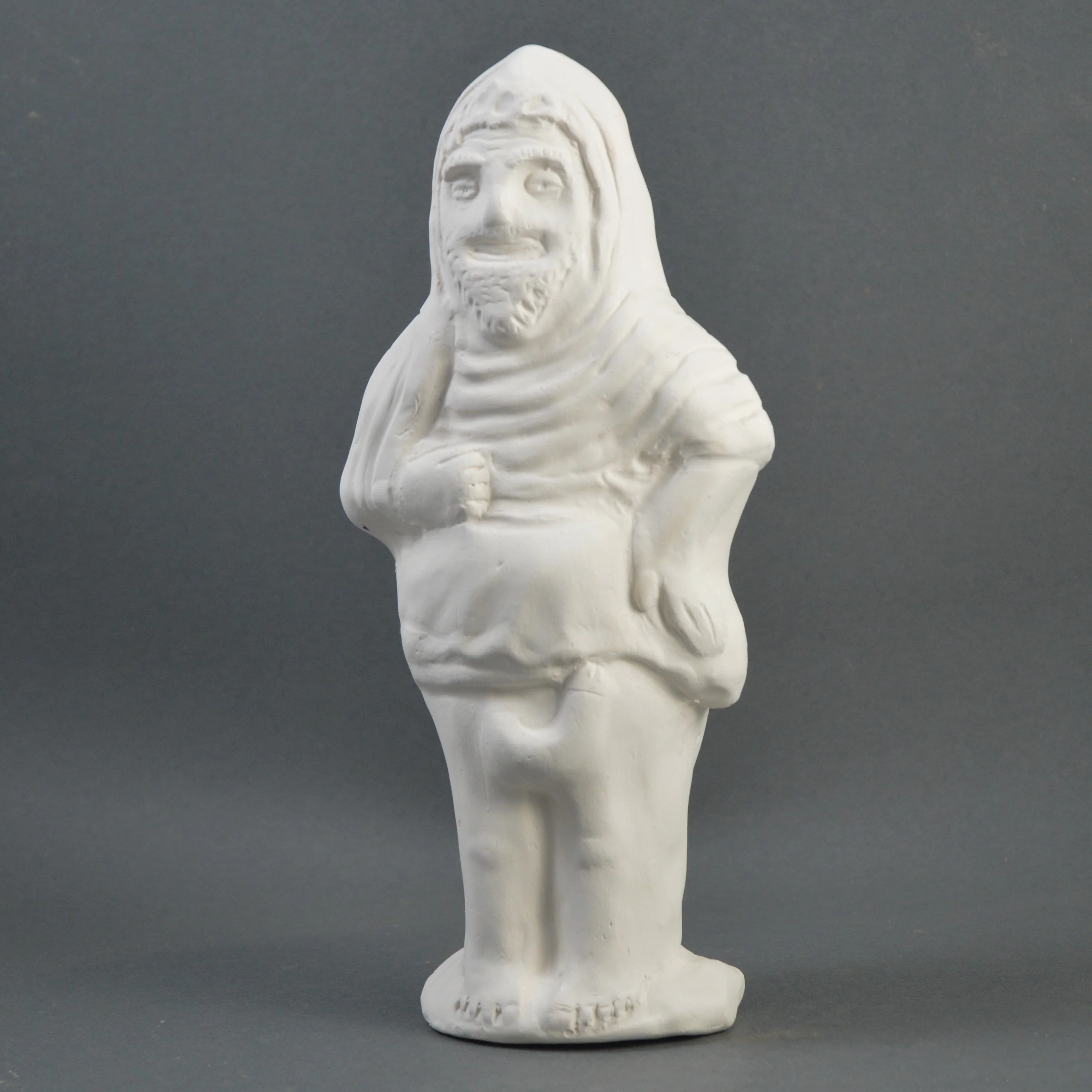
Archaeologists and collectors have found votive offerings in the form of human body parts in their thousands across the ancient world, including at the Sanctuary of Asklepios, Epidaurus. Greek and Roman supplicants left these ritual objects at healing sanctuaries and religious sites as offerings to the gods. The sheer number of body part offerings found indicates that they played an essential role within these ancient cultures. One presumption is that they were left in the hopes of conjuring divine intervention during instances of illness, injury and disease. It is also thought that they may have been left as thanks after the event to honour the gods whose intervention was gratefully received.
The effectiveness of these offerings is unknown, but their popularity as a form of health care is undeniable. I prefer to rely on the hard-working folks of the NHS.
Materials
White earthenware or terracotta earthenware
Dimensions
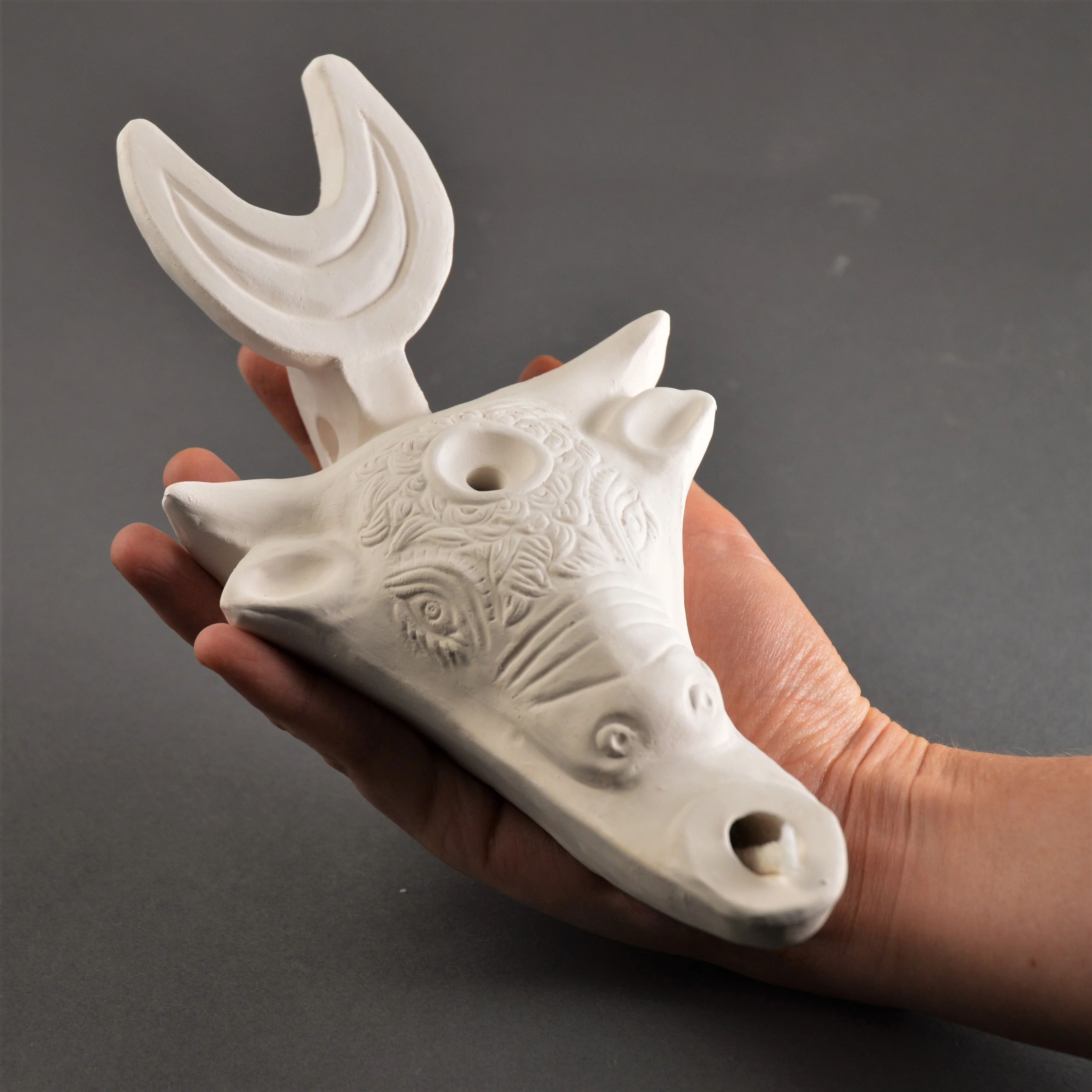
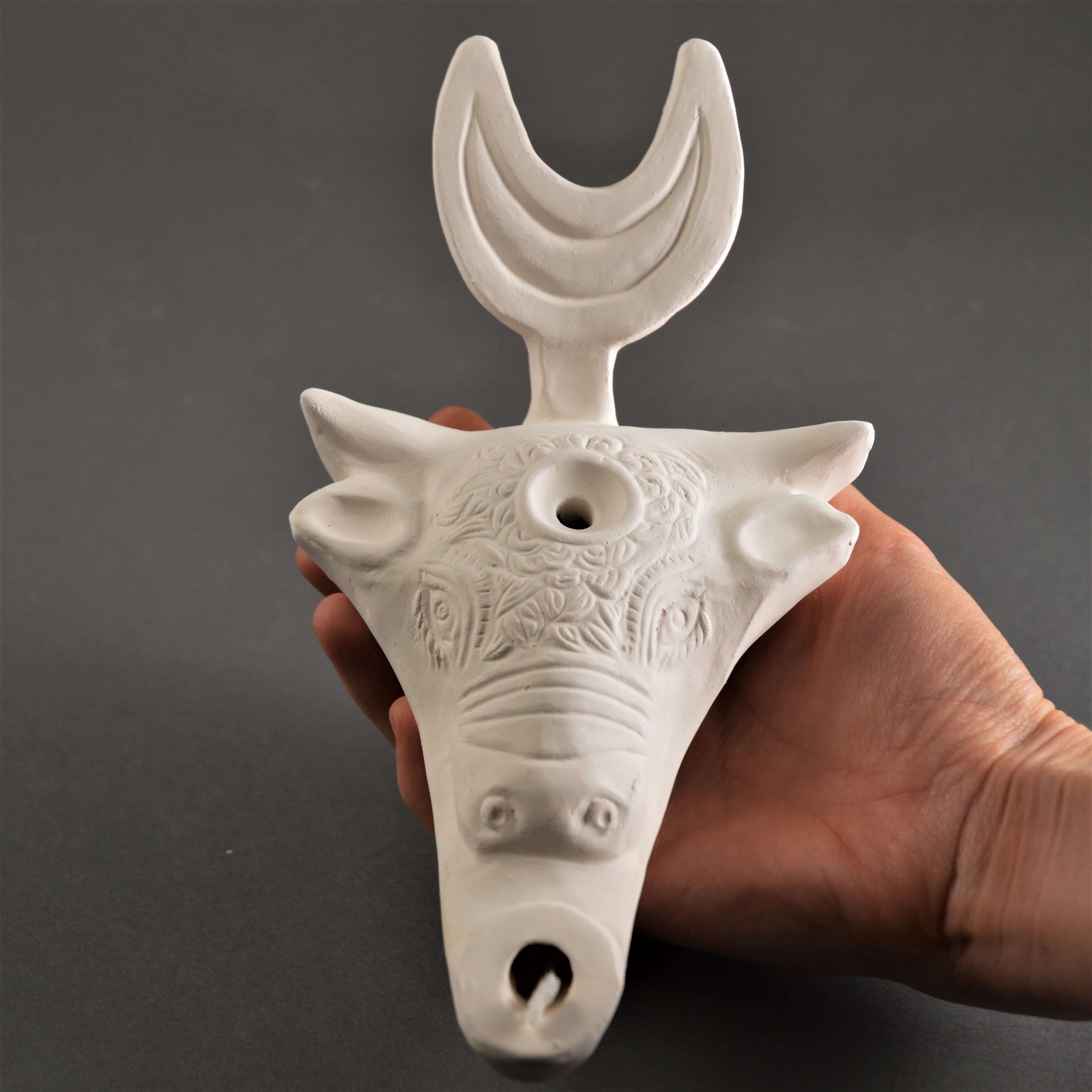
Approx. 75 mm high, 130 mm wide, 120 mm long
Production
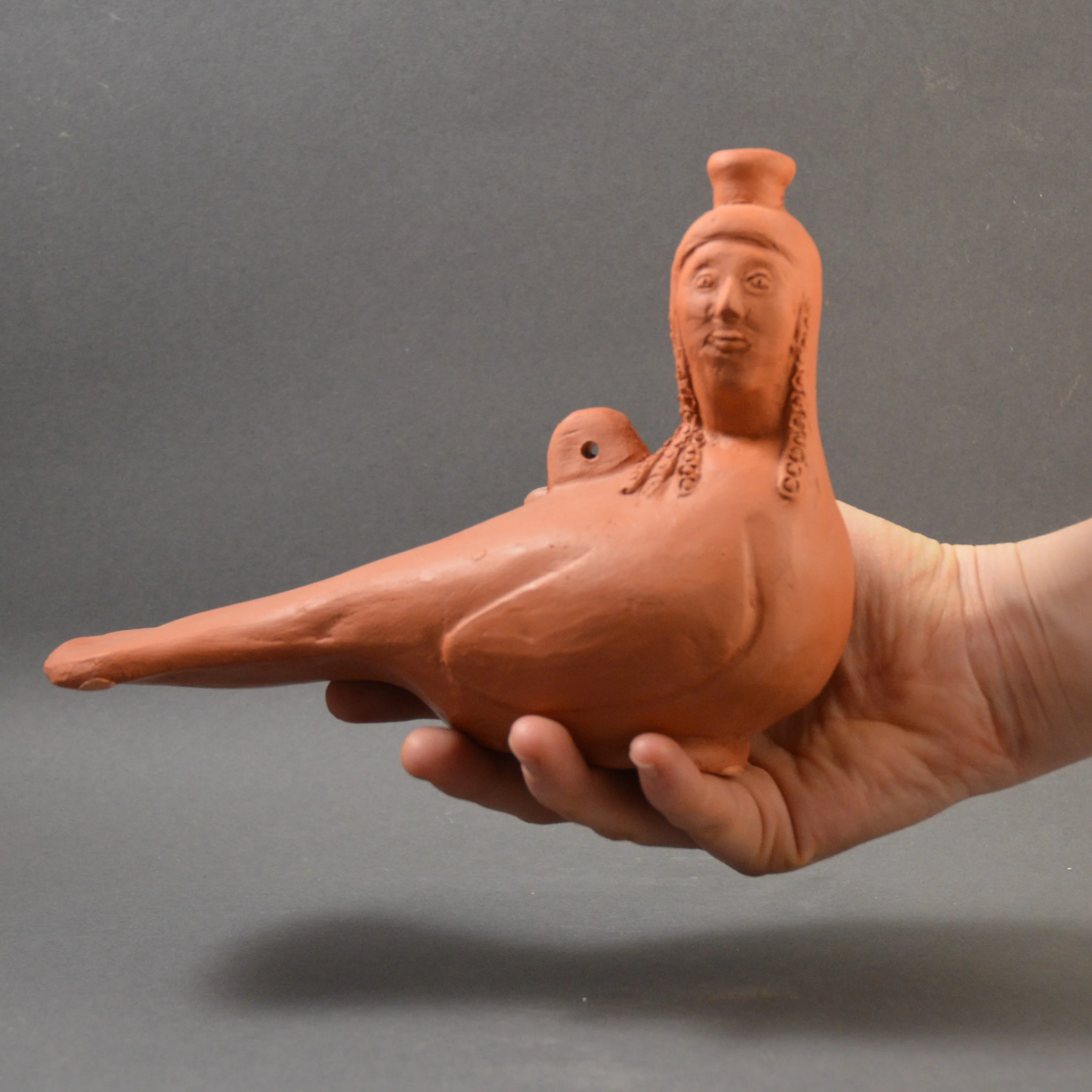
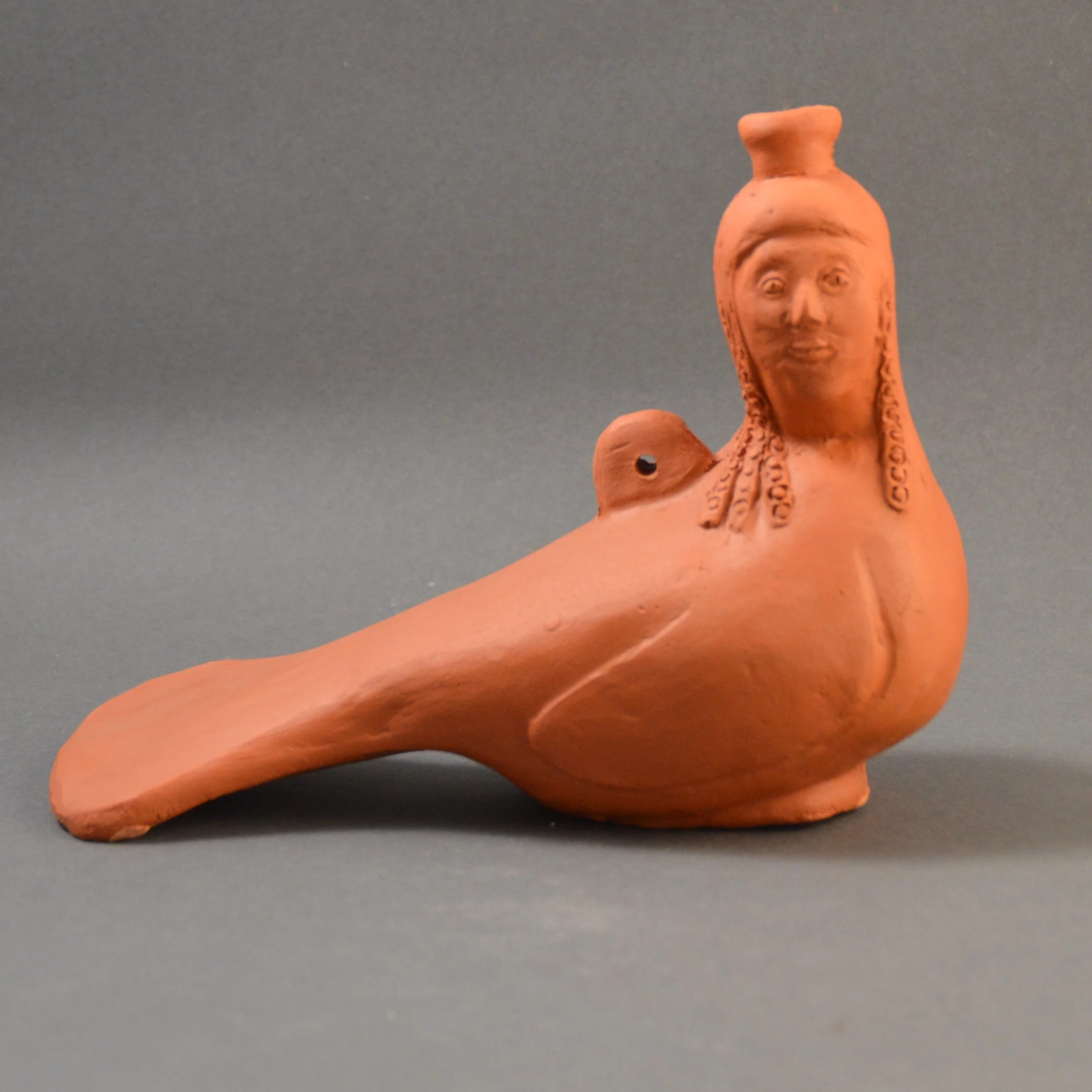
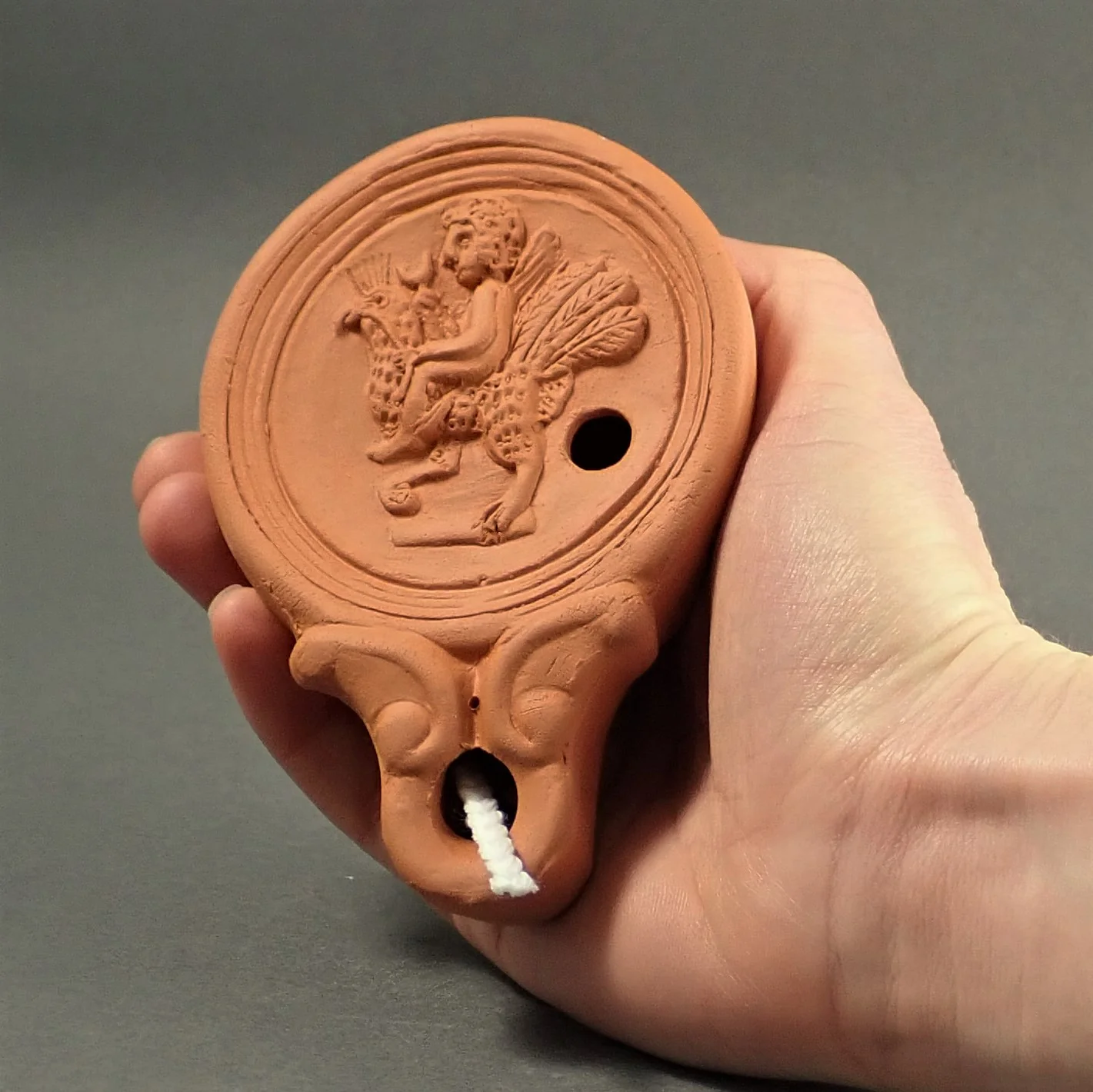
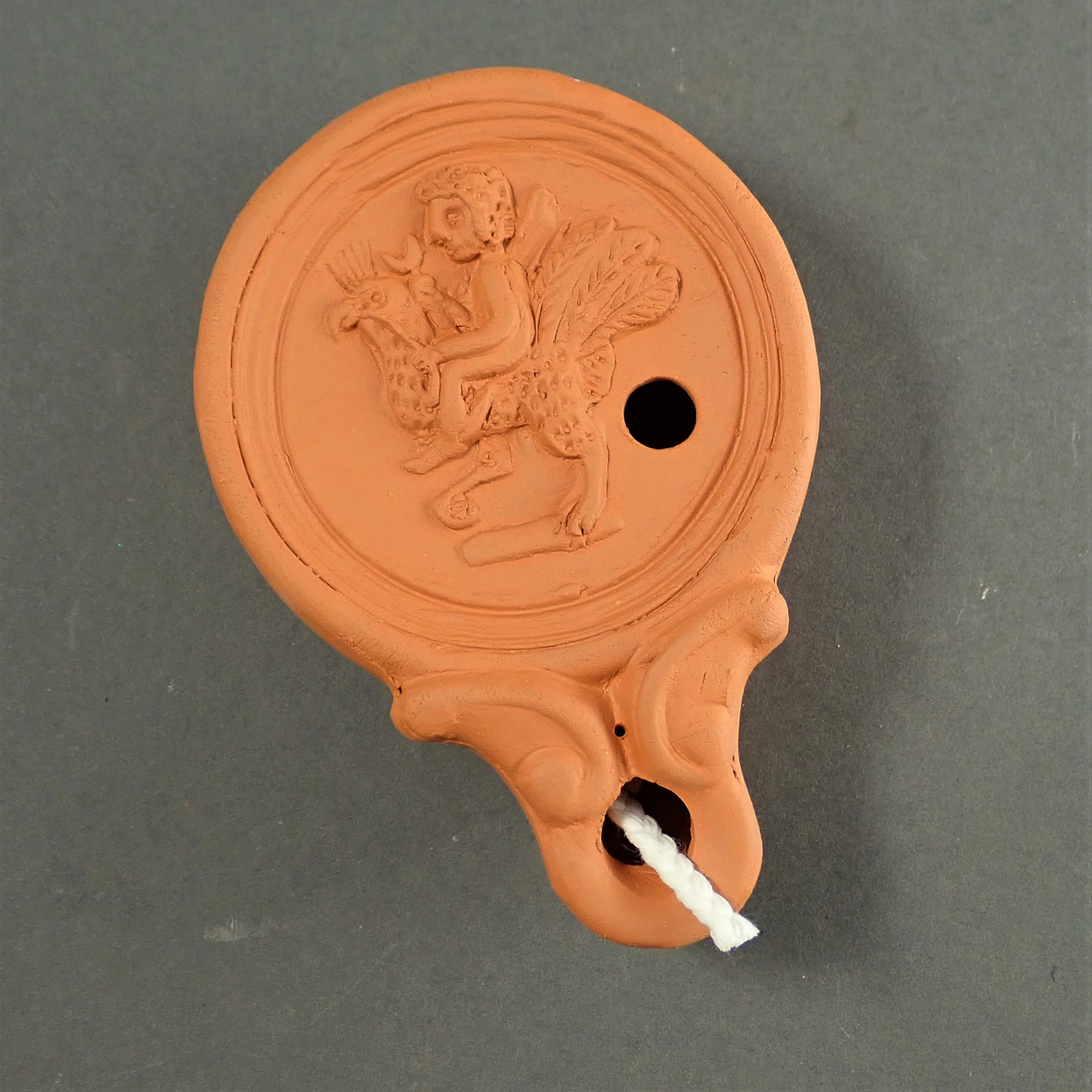
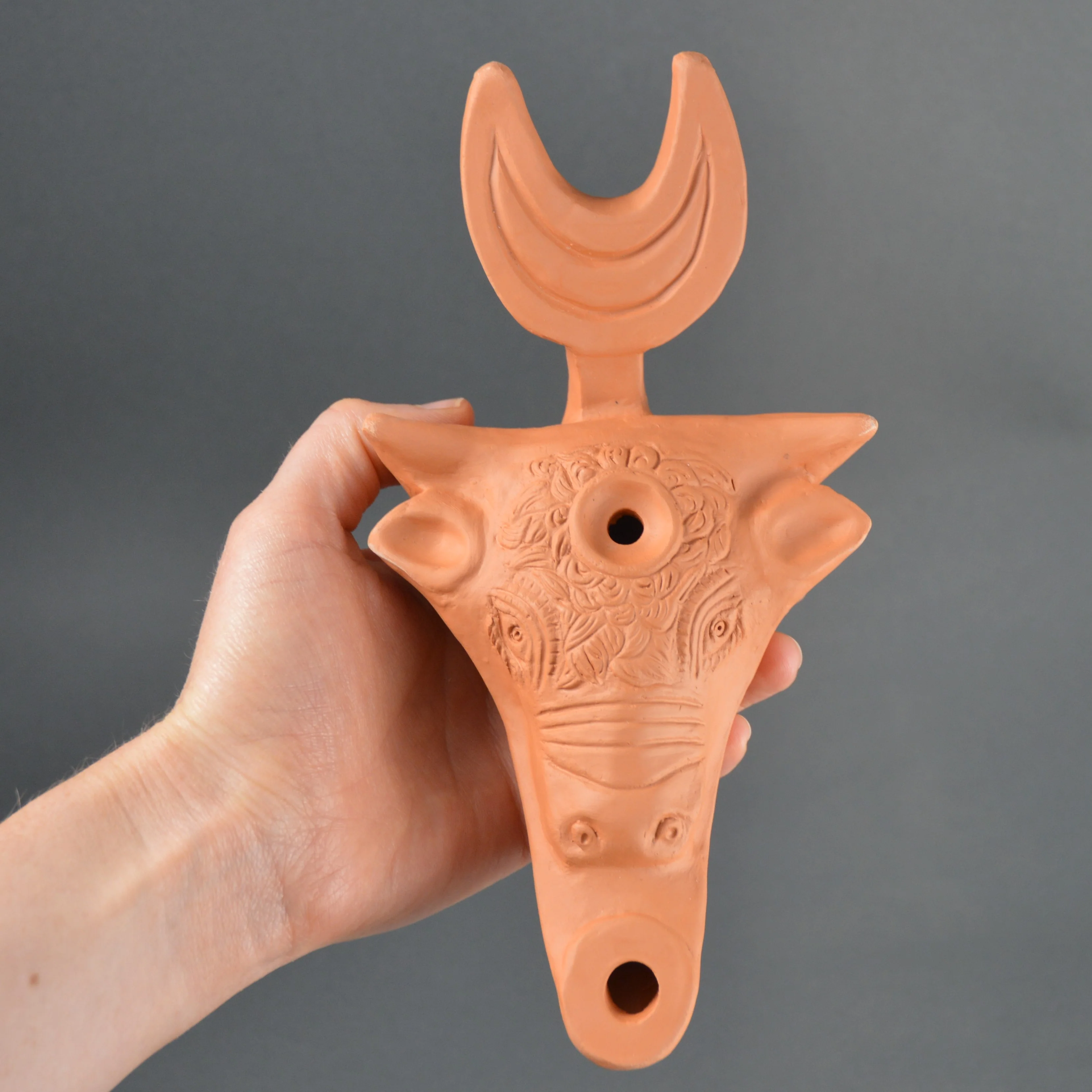
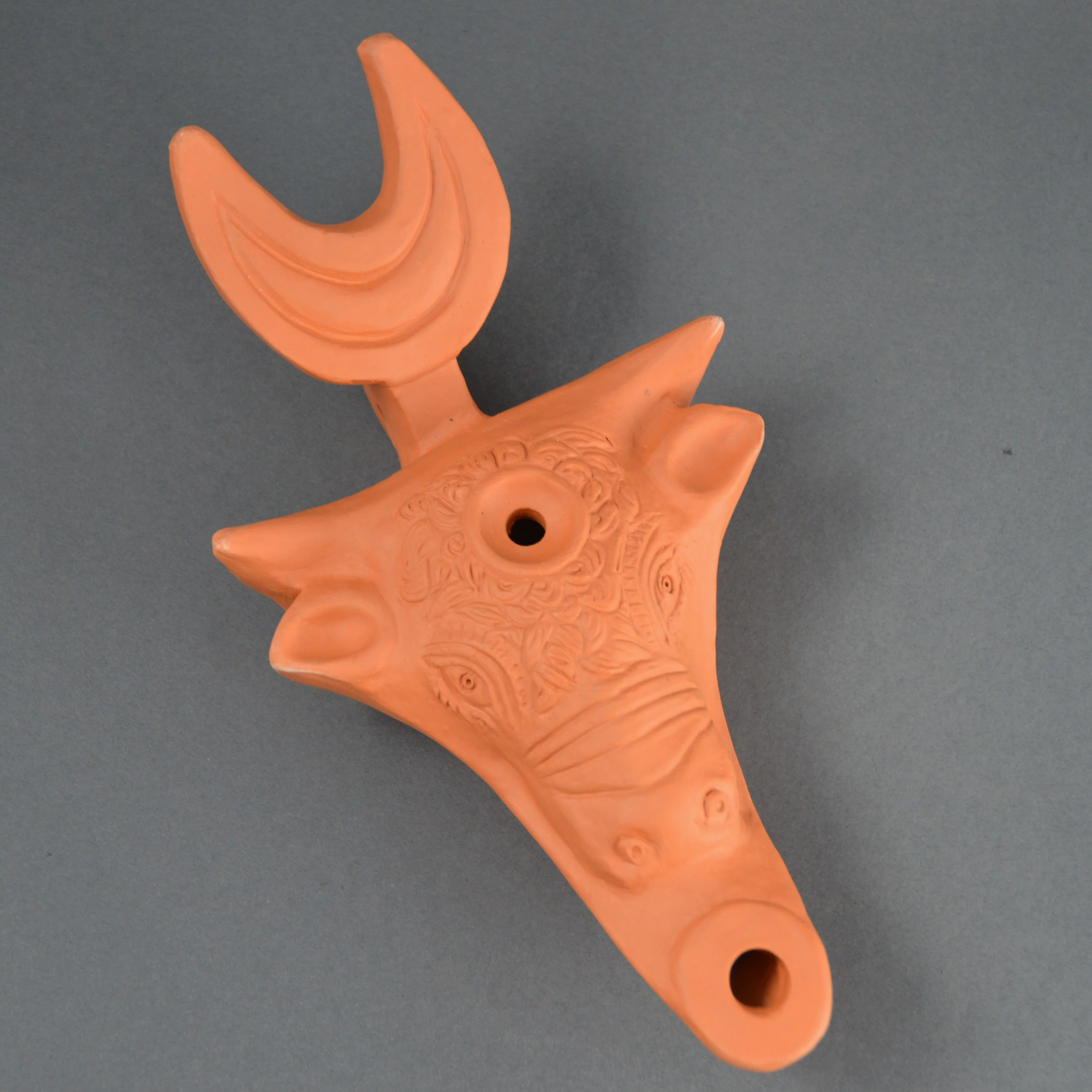
This replica Roman pot has been hand-made in Northumberland by Potted History, based on an original artefact. It has been fired to a temperature between 800 & 1000 Centigrade to emulate the same techniques the original potters would have employed nearly two thousand years ago. This process often results in surface colour and texture variations, as is common with the original Roman pottery and gives each piece its unique character.
Postage
All items are sent using a second-class postal service; if you wish to have an item sent first-class, please get in touch with us for a quote. Many Thanks
Original: $45.24
-70%$45.24
$13.57Product Information
Product Information
Shipping & Returns
Shipping & Returns
Description
Details
Archaeologists and collectors have found votive offerings in the form of human body parts in their thousands across the ancient world, including at the Sanctuary of Asklepios, Epidaurus. Greek and Roman supplicants left these ritual objects at healing sanctuaries and religious sites as offerings to the gods. The sheer number of body part offerings found indicates that they played an essential role within these ancient cultures. One presumption is that they were left in the hopes of conjuring divine intervention during instances of illness, injury and disease. It is also thought that they may have been left as thanks after the event to honour the gods whose intervention was gratefully received.
The effectiveness of these offerings is unknown, but their popularity as a form of health care is undeniable. I prefer to rely on the hard-working folks of the NHS.
Materials
White earthenware or terracotta earthenware
Dimensions
Approx. 75 mm high, 130 mm wide, 120 mm long
Production
This replica Roman pot has been hand-made in Northumberland by Potted History, based on an original artefact. It has been fired to a temperature between 800 & 1000 Centigrade to emulate the same techniques the original potters would have employed nearly two thousand years ago. This process often results in surface colour and texture variations, as is common with the original Roman pottery and gives each piece its unique character.
Postage
All items are sent using a second-class postal service; if you wish to have an item sent first-class, please get in touch with us for a quote. Many Thanks