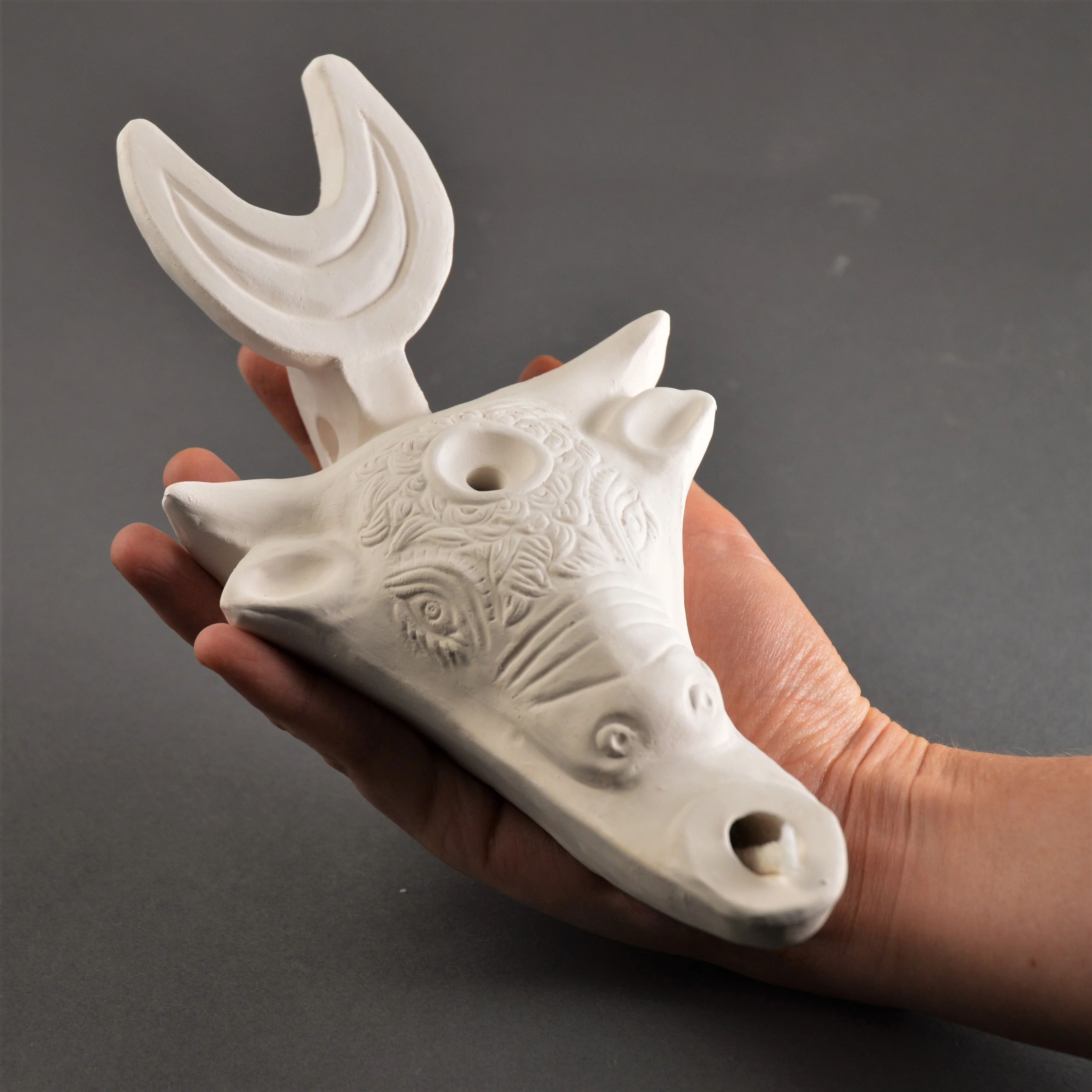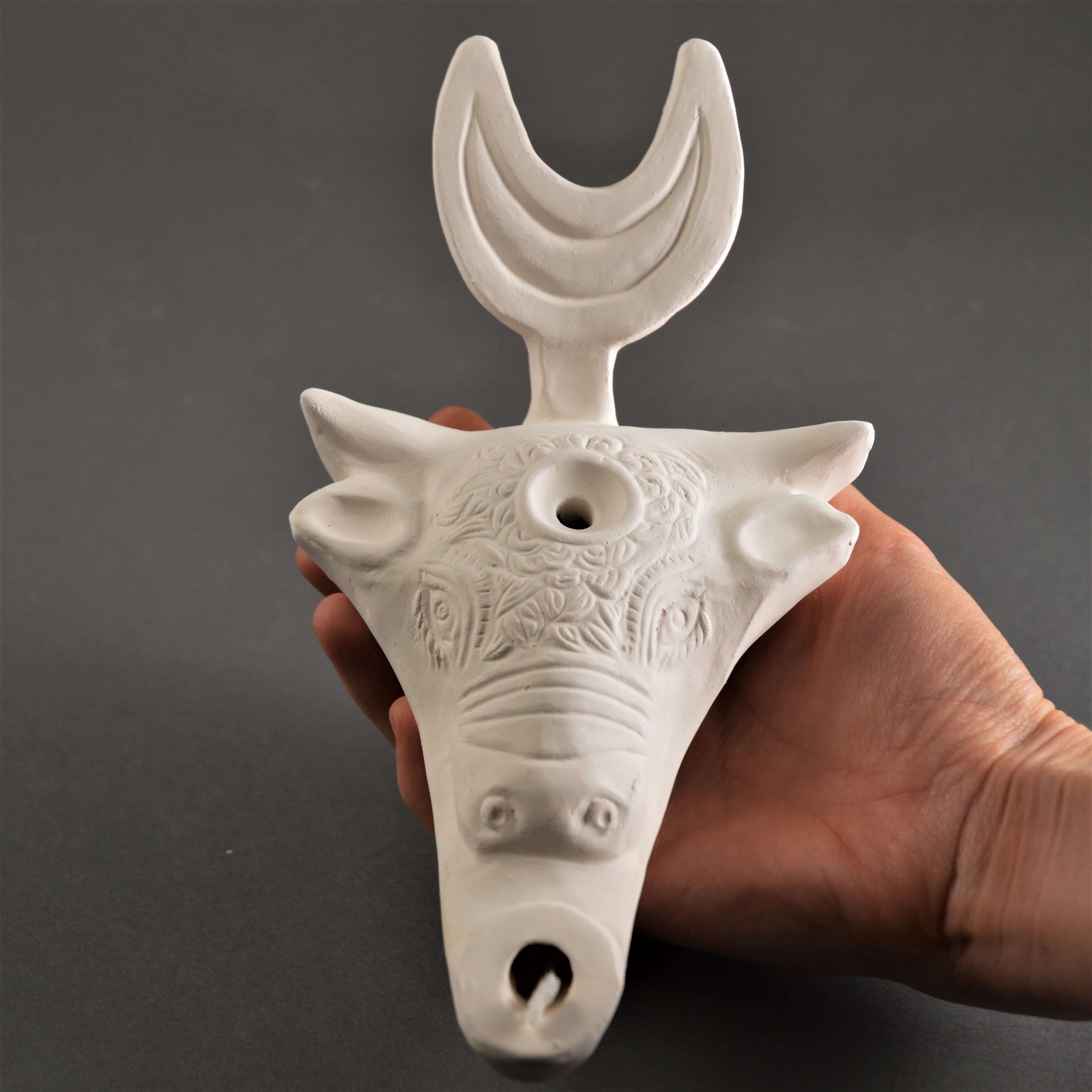
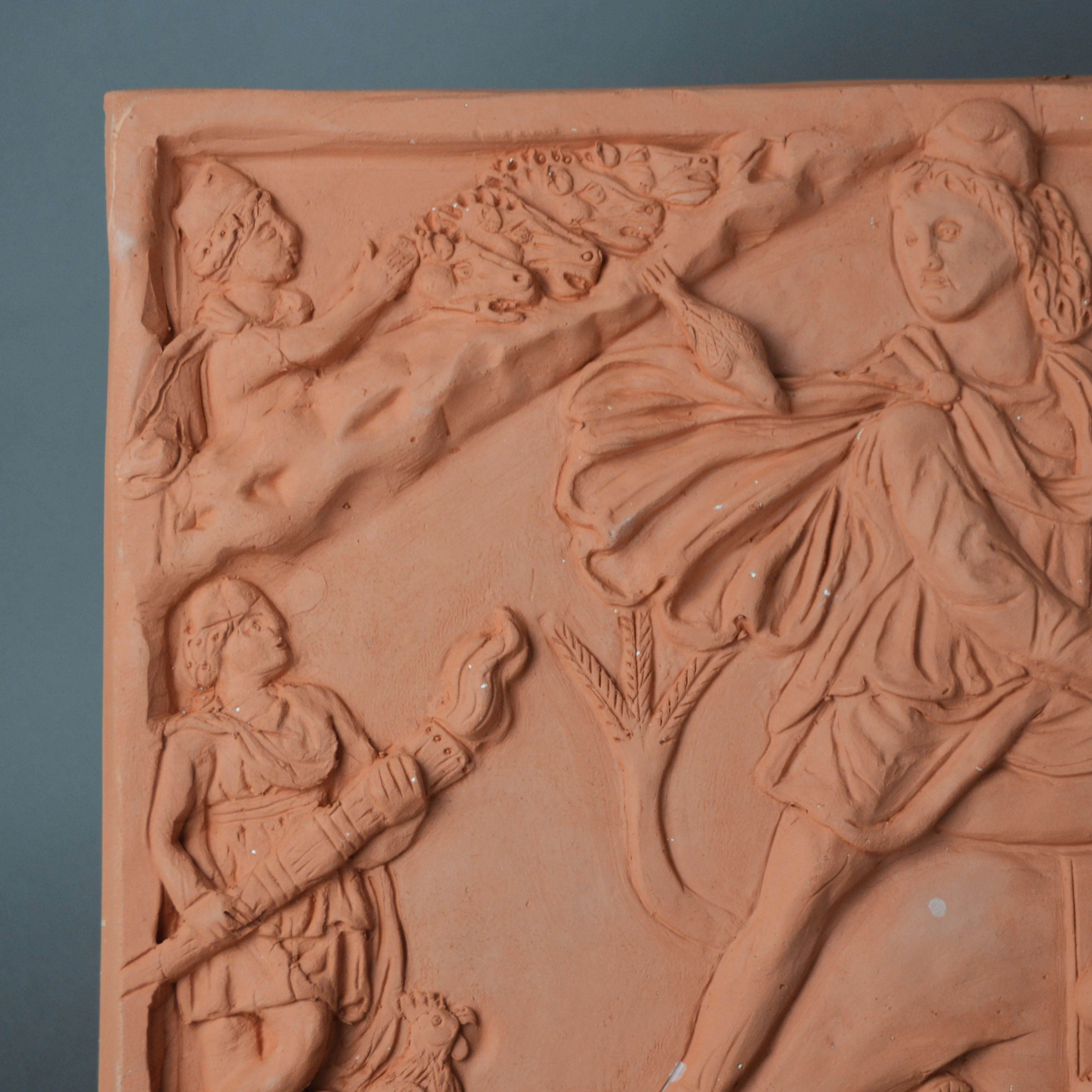
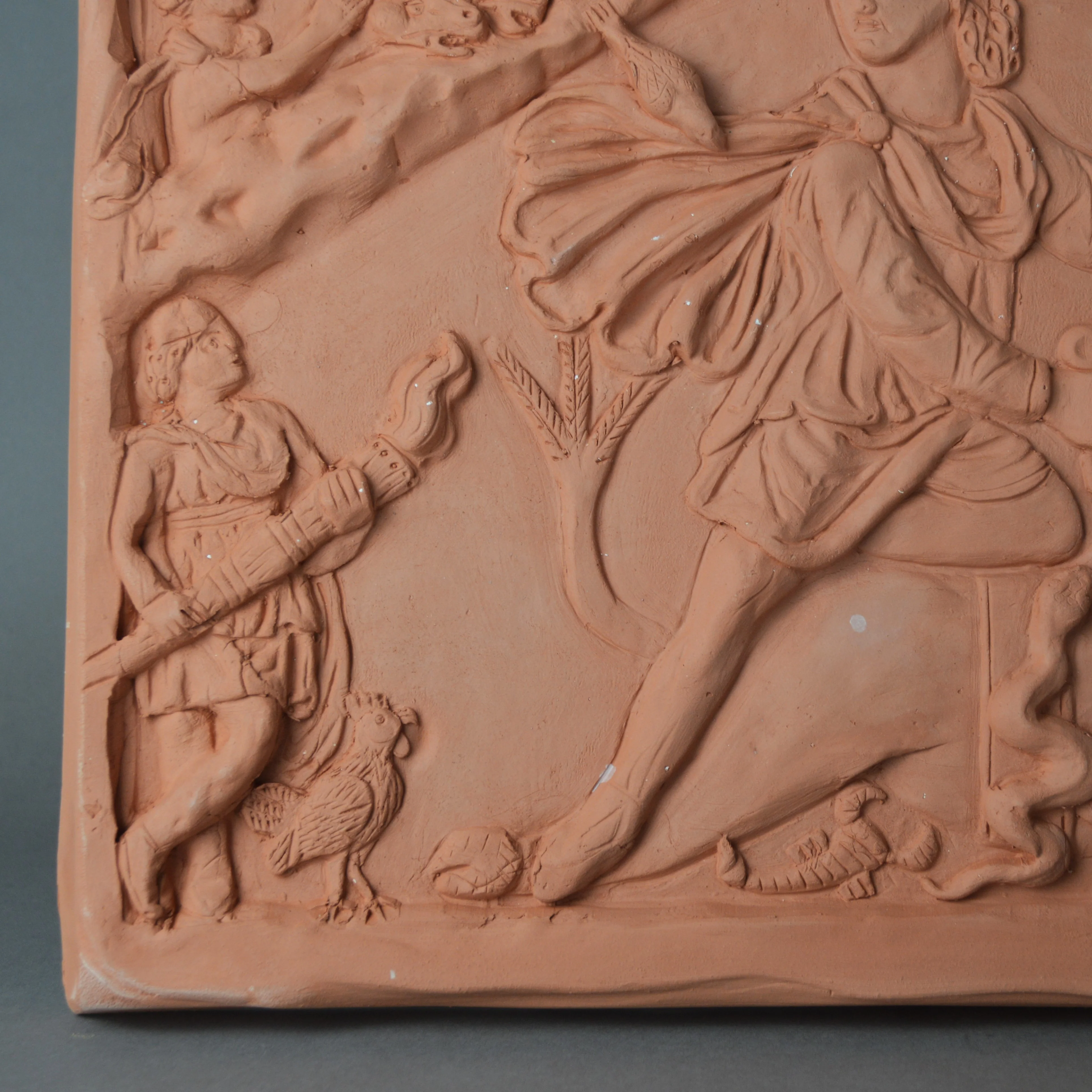
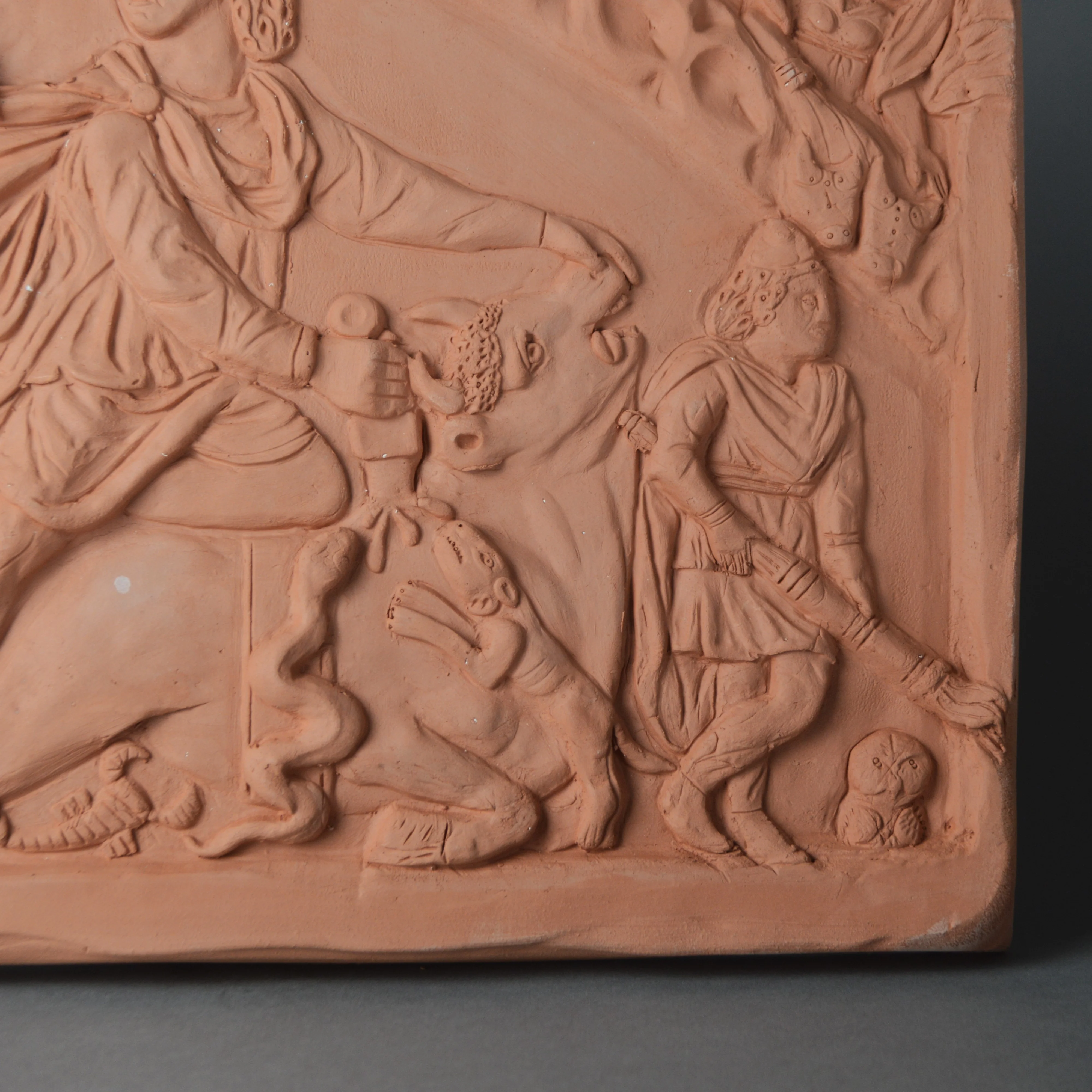
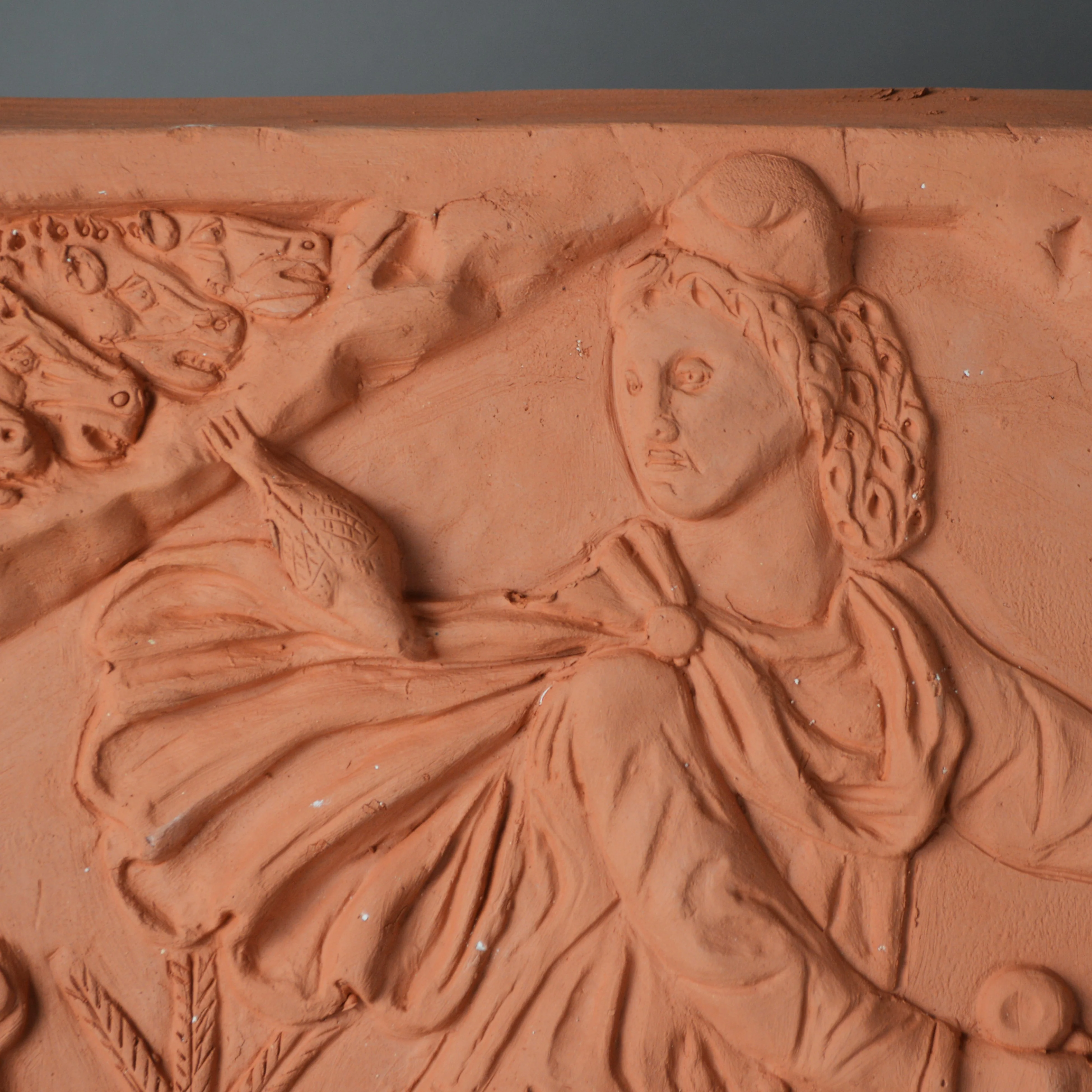
Roman Tauroctony Plaque
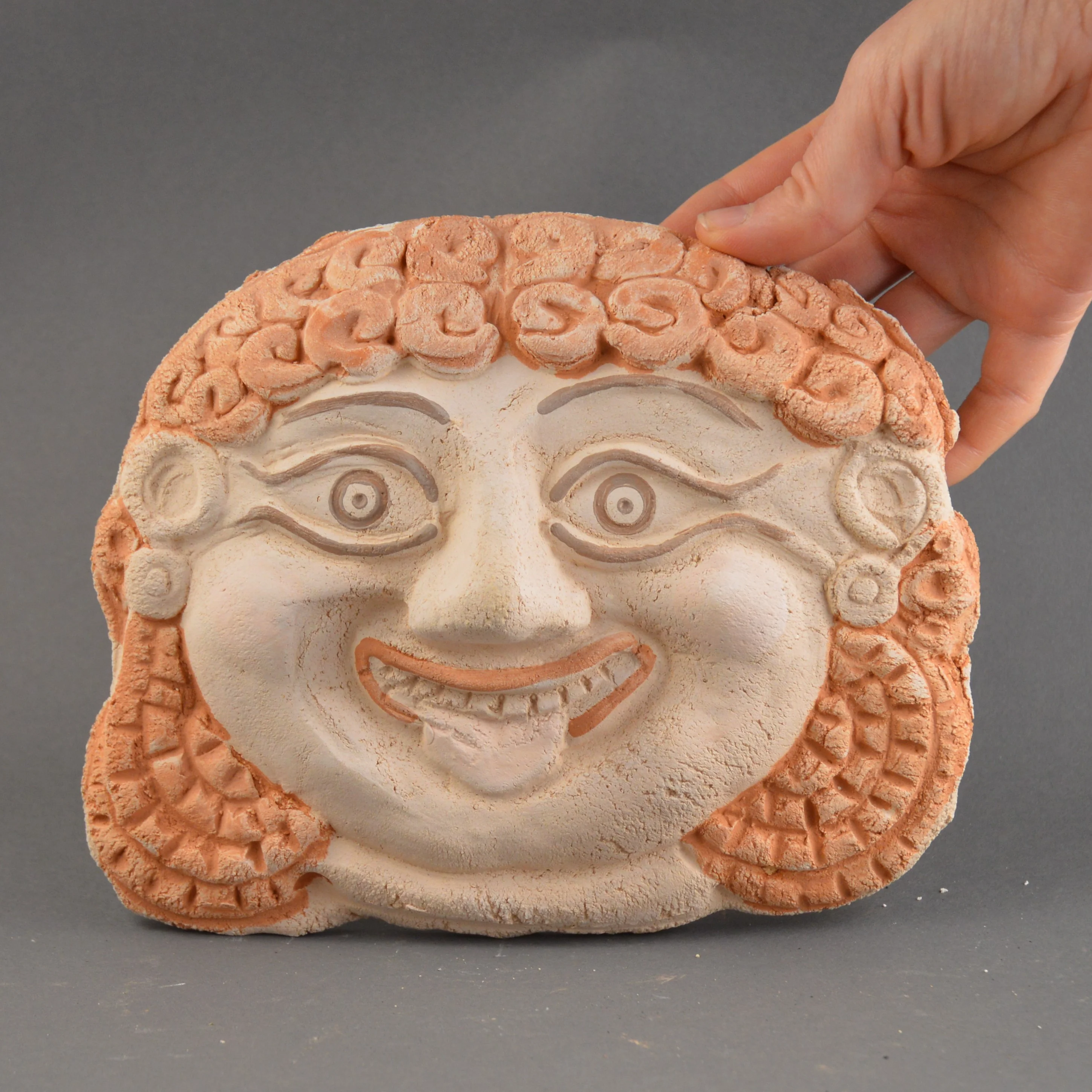
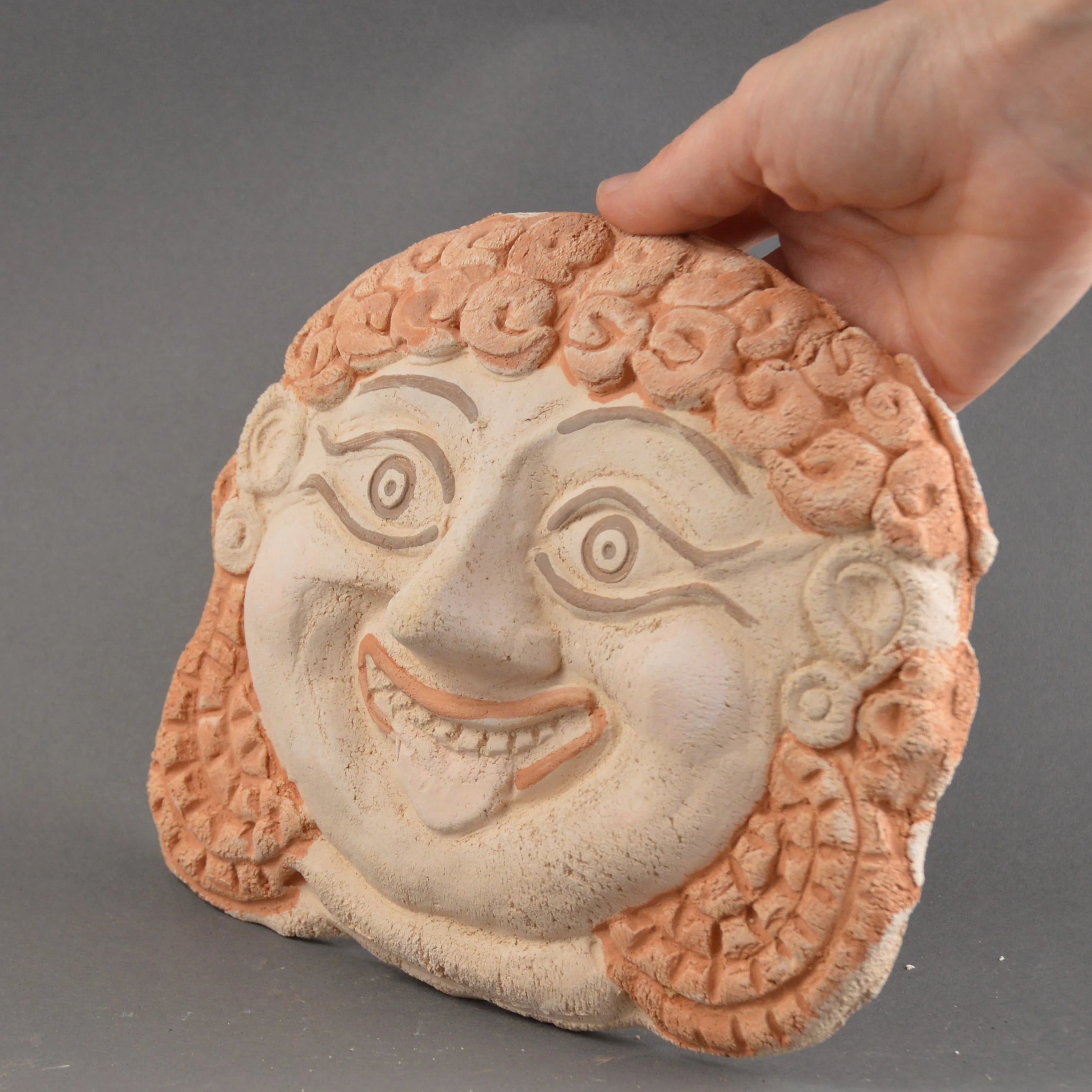
Handcrafted Replica Roman Tauroctony Plaque
Step into the Mystery of Mithras
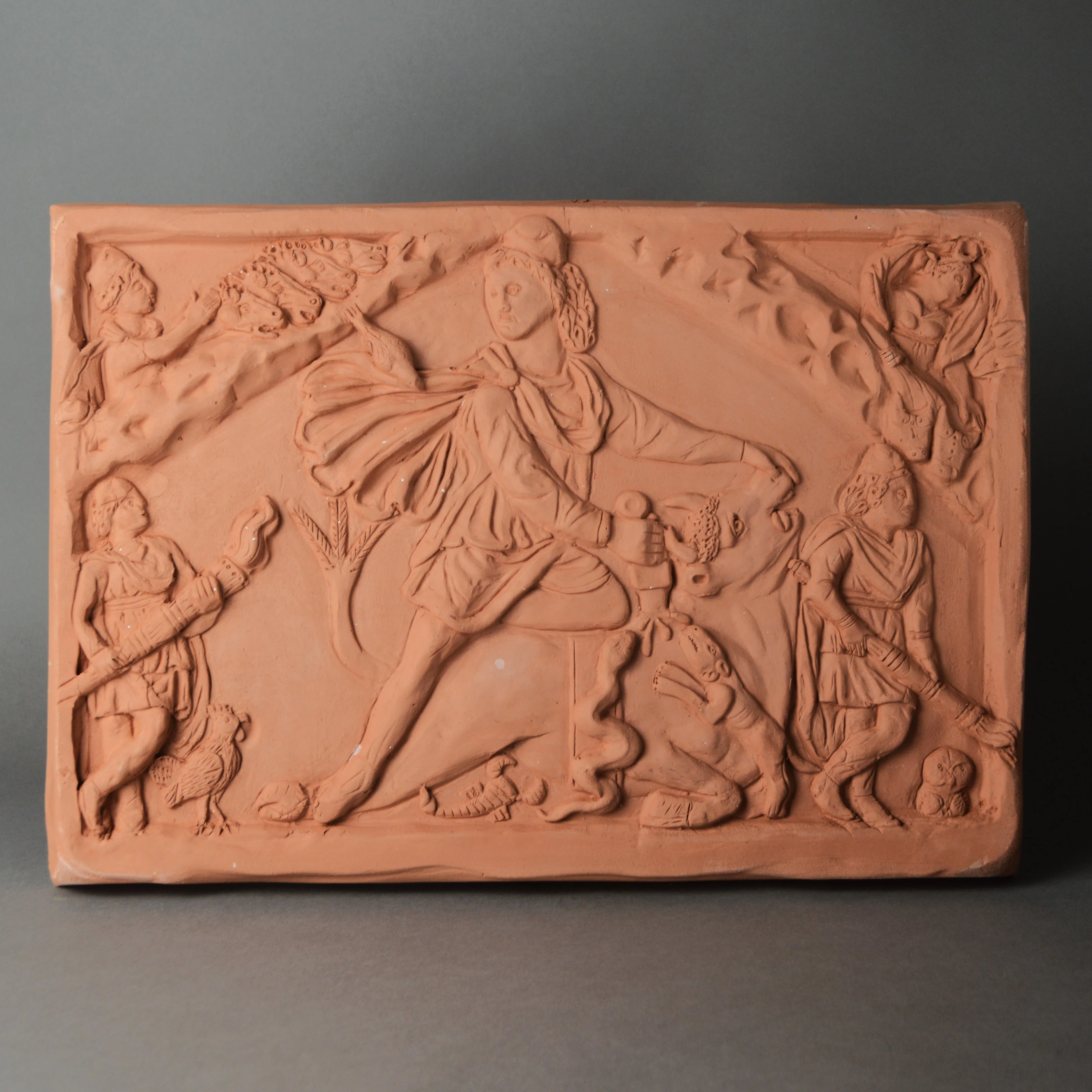
The Tauroctony—a dramatic scene depicting Mithras slaying the primordial bull—was the central image in every Mithraeum, the secretive underground temples where followers of Mithras worshipped. This mysterious Roman cult flourished between the 1st and 4th centuries AD, particularly among Roman soldiers and mid-ranking officials, yet much about its beliefs and practices remains unknown.
Unlike other Roman religions, no first-hand accounts from Mithraic worshippers have survived. The only written records come from outsiders critical of the cult, meaning that much of our understanding is pieced together from archaeological discoveries. Some of the strongest evidence comes from mosaics and inscriptions, but without direct texts from the cult itself, we can only interpret the meaning of these images from a modern perspective.
Interestingly, over 1,000 inscribed dedications to Mithras have been found, listing the names of worshippers, who were predominantly soldiers and mid-level administrators. However, it's possible that poorer members left no inscriptions as they could not afford these dedications, meaning our knowledge of the cult’s demographics could be incomplete. Every piece of evidence presents both insight and limitations, deepening the mystery of Mithras.
An Unusual Roman Cult
The cult of Mithras emerged in a polytheistic Roman world, where cities hosted multiple temples to various gods, and religious practices were public and communal. Yet Mithraism was unlike any other Roman religion:
- Exclusive to men, with small temples that could only accommodate 20–40 worshippers.
- Secretive rituals, leading outsiders to view it with suspicion.
- A god performing the sacrifice, instead of human worshippers—a unique reversal in Roman religious tradition.
- A strict hierarchy of seven ranks, beginning as a Raven and advancing through brutal initiations, with the highest rank being Father.
- Worship took place in caves or underground temples designed to imitate caves.
Decoding the Tauroctony
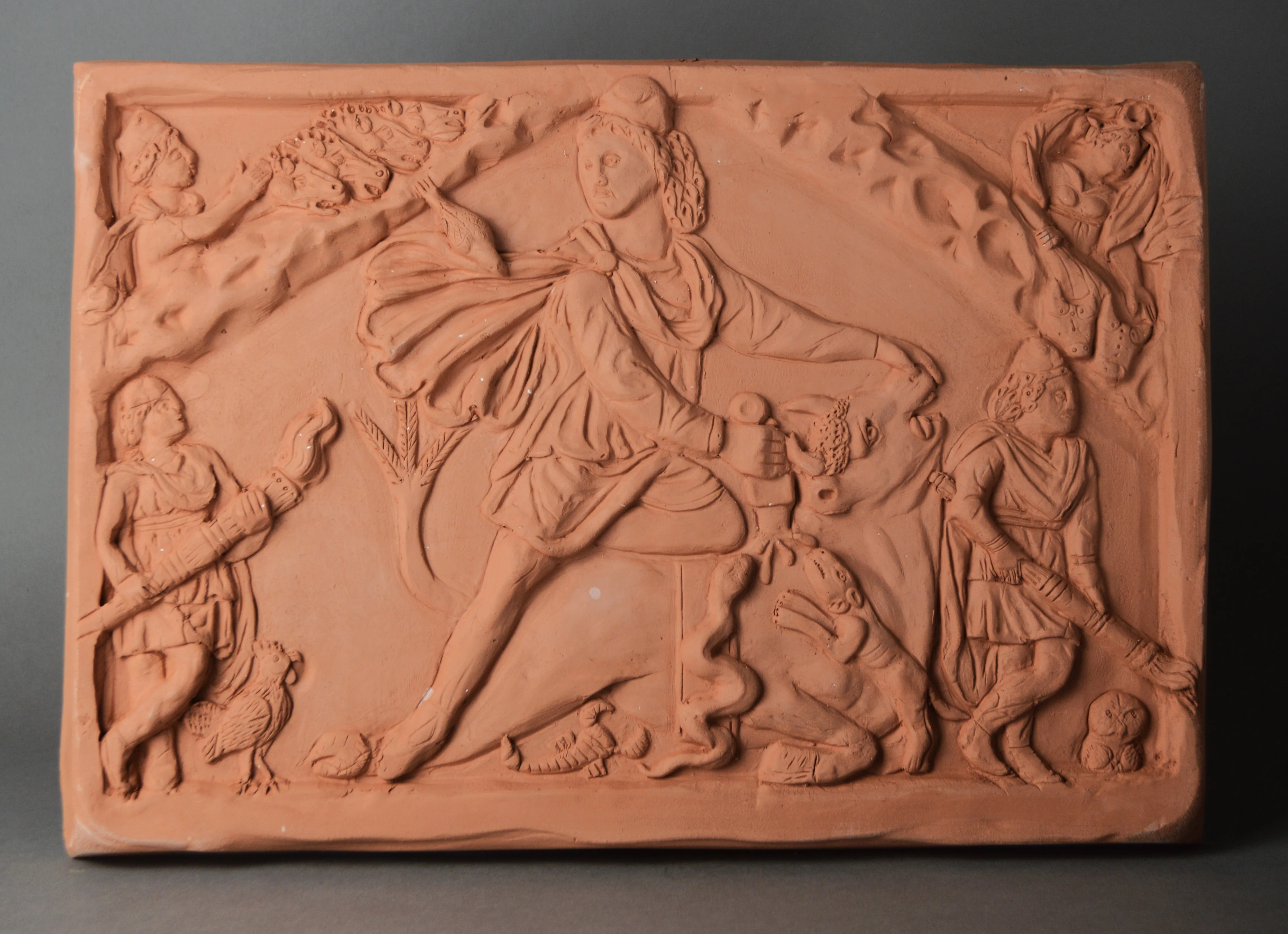
The Tauroctony is a highly structured and symbolic scene, always depicted in a precise arrangement:
- Mithras, wearing Persian attire and a Phrygian cap, kneels over the sacrificial bull, plunging his dagger into its neck.
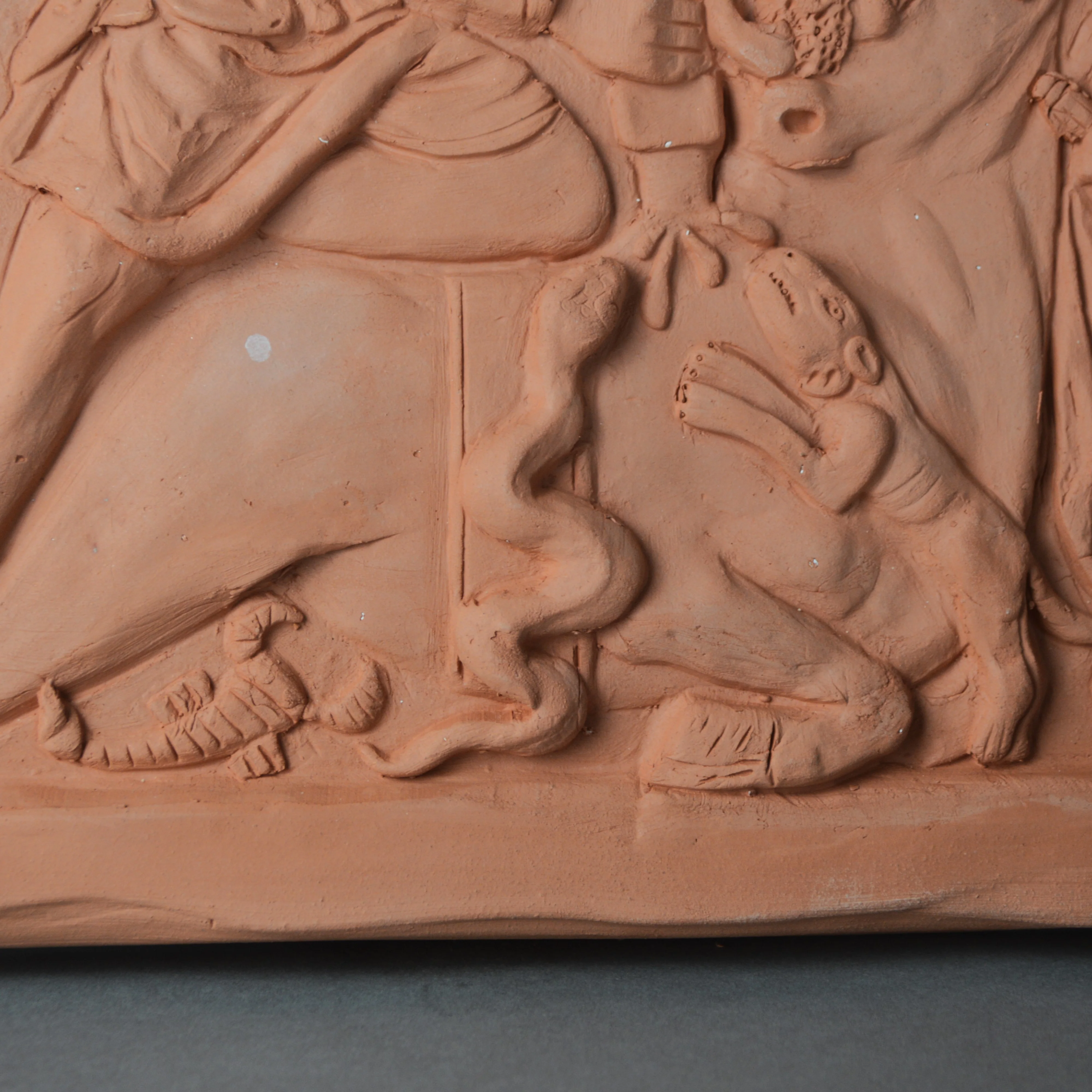
- A dog and serpent drink from the bull’s wound, while a scorpion pinches its testicles.
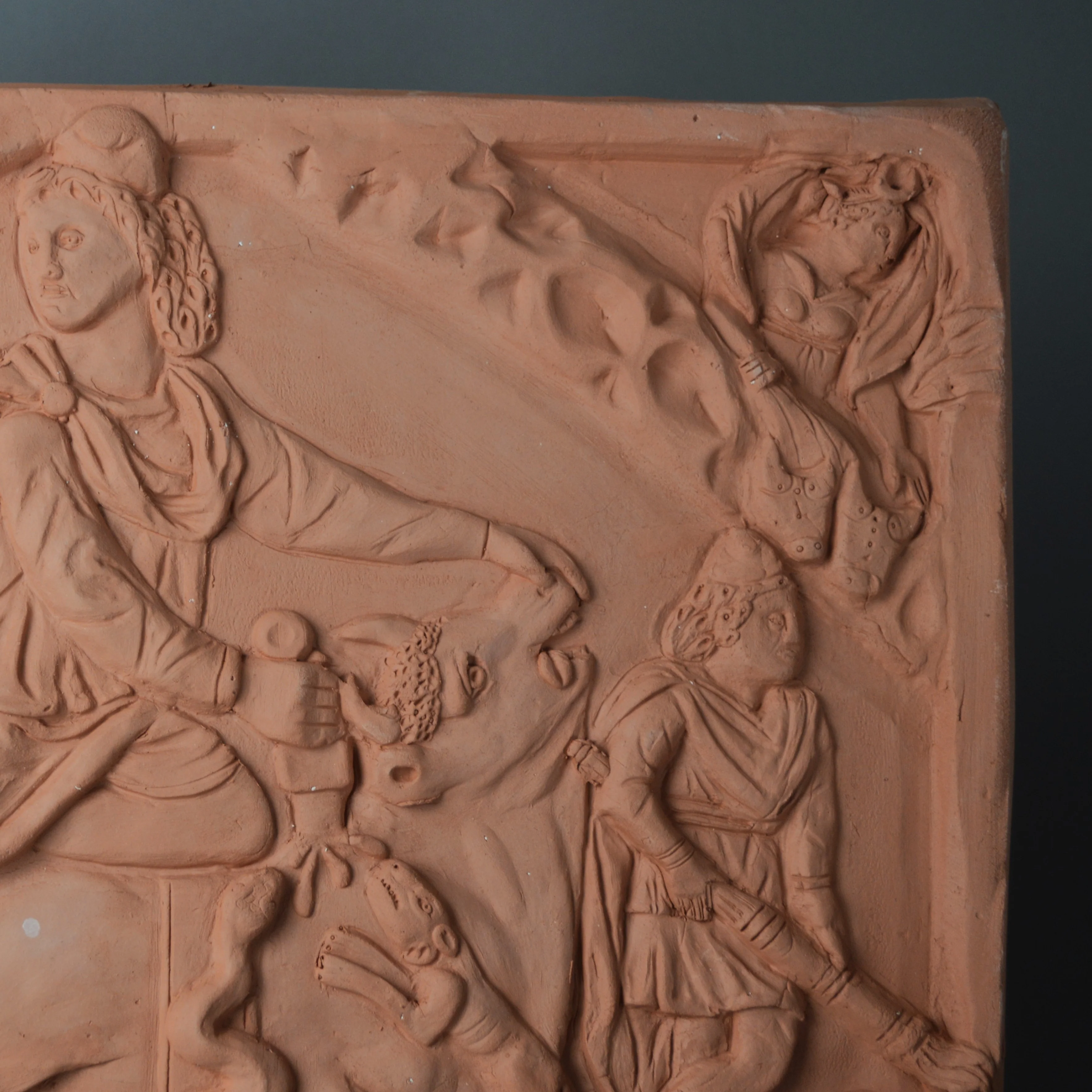
- The celestial twins, Cautes and Cautopates, stand on either side, holding torches—one raised for the rising sun, one lowered for sunset.
- Sol (the sun god) and Luna (the moon goddess) appear in the background, representing cosmic balance.
- A cockerel, herald of dawn, stands at Cautes’ feet, while an owl, symbol of night, watches near Cautopates.
The meaning of this scene remains debated, but most scholars interpret it as a creation myth, where the bull’s sacrificial blood gives life to the world, bringing forth day and night.
An alternative theory links Mithras to the Iranian god Mithra, suggesting the Tauroctony represents a cosmic battle between light and darkness, good and evil. However, a direct connection between Mithra and Mithras has never been proven, apart from similar names and Mithras’ Persian attire. We’ll leave it to you to interpret the scene as you see fit.
Inspired by Great Roman Tauroctonies
Our new Tauroctony plaque is based on an example from La Fondation Gandur pour l’Art, while also incorporating elements from other historical Tauroctonies to ensure the key aspects of this sacred and mysterious scene are preserved.
We drew particular inspiration from:
🏛️ Virginia Museum of Fine Arts, USA
🏛️ The Louvre, France
Every Mithraeum was home to a Tauroctony, making this plaque a powerful and historically significant piece for any collector or history enthusiast.
More Fascinating Facts About Mithraism
- Each Mithraeum was run by a Father, and worshippers progressed through seven ranks, thought to be connected to the seven classical planets.
- Ancient Greek was the language of worship rather than Latin.
- While Mithraic temples were underground, they were often part of larger religious complexes, suggesting the cult wasn’t as secretive as some believe.
- Many Mithraea were found in frontier regions, reinforcing the cult’s strong ties to the military.
- When Christianity became the official religion of Rome, the cult collapsed—likely because its members were closely tied to the state, and advancement depended on religious affiliation.
Materials & Dimensions
- Materials: Earthenware, terracotta
- Height: Approx. 300 mm
- Width: Approx. 280 mm
Production
This handcrafted replica has been made in Northumberland by Potted History, faithfully recreating traditional Roman techniques.
- Fired at 800°C–1000°C to replicate authentic Roman firing conditions.
- Each piece develops unique surface textures and colour variations, just like original Roman artefacts.
Ordering & Shipping
- 'Add to Basket' Items: Ready to ship immediately.
- 'Pre-order' Items: Handmade to order within 90 days (longer for international orders).
- Combined Shipping: If you order both 'Add to Basket' and 'Pre-order' items, they will ship together once all items are ready.
- Standard shipping: Sent via second-class postal service.
- Faster delivery: If you require first-class shipping, please contact us for a custom quote.
Own a piece of Mithraic mystery—step into the world of the Roman cult of Mithras! Order today.
Original: $158.34
-70%$158.34
$47.50Product Information
Product Information
Shipping & Returns
Shipping & Returns
Description
Handcrafted Replica Roman Tauroctony Plaque
Step into the Mystery of Mithras
The Tauroctony—a dramatic scene depicting Mithras slaying the primordial bull—was the central image in every Mithraeum, the secretive underground temples where followers of Mithras worshipped. This mysterious Roman cult flourished between the 1st and 4th centuries AD, particularly among Roman soldiers and mid-ranking officials, yet much about its beliefs and practices remains unknown.
Unlike other Roman religions, no first-hand accounts from Mithraic worshippers have survived. The only written records come from outsiders critical of the cult, meaning that much of our understanding is pieced together from archaeological discoveries. Some of the strongest evidence comes from mosaics and inscriptions, but without direct texts from the cult itself, we can only interpret the meaning of these images from a modern perspective.
Interestingly, over 1,000 inscribed dedications to Mithras have been found, listing the names of worshippers, who were predominantly soldiers and mid-level administrators. However, it's possible that poorer members left no inscriptions as they could not afford these dedications, meaning our knowledge of the cult’s demographics could be incomplete. Every piece of evidence presents both insight and limitations, deepening the mystery of Mithras.
An Unusual Roman Cult
The cult of Mithras emerged in a polytheistic Roman world, where cities hosted multiple temples to various gods, and religious practices were public and communal. Yet Mithraism was unlike any other Roman religion:
- Exclusive to men, with small temples that could only accommodate 20–40 worshippers.
- Secretive rituals, leading outsiders to view it with suspicion.
- A god performing the sacrifice, instead of human worshippers—a unique reversal in Roman religious tradition.
- A strict hierarchy of seven ranks, beginning as a Raven and advancing through brutal initiations, with the highest rank being Father.
- Worship took place in caves or underground temples designed to imitate caves.
Decoding the Tauroctony
The Tauroctony is a highly structured and symbolic scene, always depicted in a precise arrangement:
- Mithras, wearing Persian attire and a Phrygian cap, kneels over the sacrificial bull, plunging his dagger into its neck.
- A dog and serpent drink from the bull’s wound, while a scorpion pinches its testicles.
- The celestial twins, Cautes and Cautopates, stand on either side, holding torches—one raised for the rising sun, one lowered for sunset.
- Sol (the sun god) and Luna (the moon goddess) appear in the background, representing cosmic balance.
- A cockerel, herald of dawn, stands at Cautes’ feet, while an owl, symbol of night, watches near Cautopates.
The meaning of this scene remains debated, but most scholars interpret it as a creation myth, where the bull’s sacrificial blood gives life to the world, bringing forth day and night.
An alternative theory links Mithras to the Iranian god Mithra, suggesting the Tauroctony represents a cosmic battle between light and darkness, good and evil. However, a direct connection between Mithra and Mithras has never been proven, apart from similar names and Mithras’ Persian attire. We’ll leave it to you to interpret the scene as you see fit.
Inspired by Great Roman Tauroctonies
Our new Tauroctony plaque is based on an example from La Fondation Gandur pour l’Art, while also incorporating elements from other historical Tauroctonies to ensure the key aspects of this sacred and mysterious scene are preserved.
We drew particular inspiration from:
🏛️ Virginia Museum of Fine Arts, USA
🏛️ The Louvre, France
Every Mithraeum was home to a Tauroctony, making this plaque a powerful and historically significant piece for any collector or history enthusiast.
More Fascinating Facts About Mithraism
- Each Mithraeum was run by a Father, and worshippers progressed through seven ranks, thought to be connected to the seven classical planets.
- Ancient Greek was the language of worship rather than Latin.
- While Mithraic temples were underground, they were often part of larger religious complexes, suggesting the cult wasn’t as secretive as some believe.
- Many Mithraea were found in frontier regions, reinforcing the cult’s strong ties to the military.
- When Christianity became the official religion of Rome, the cult collapsed—likely because its members were closely tied to the state, and advancement depended on religious affiliation.
Materials & Dimensions
- Materials: Earthenware, terracotta
- Height: Approx. 300 mm
- Width: Approx. 280 mm
Production
This handcrafted replica has been made in Northumberland by Potted History, faithfully recreating traditional Roman techniques.
- Fired at 800°C–1000°C to replicate authentic Roman firing conditions.
- Each piece develops unique surface textures and colour variations, just like original Roman artefacts.
Ordering & Shipping
- 'Add to Basket' Items: Ready to ship immediately.
- 'Pre-order' Items: Handmade to order within 90 days (longer for international orders).
- Combined Shipping: If you order both 'Add to Basket' and 'Pre-order' items, they will ship together once all items are ready.
- Standard shipping: Sent via second-class postal service.
- Faster delivery: If you require first-class shipping, please contact us for a custom quote.
Own a piece of Mithraic mystery—step into the world of the Roman cult of Mithras! Order today.