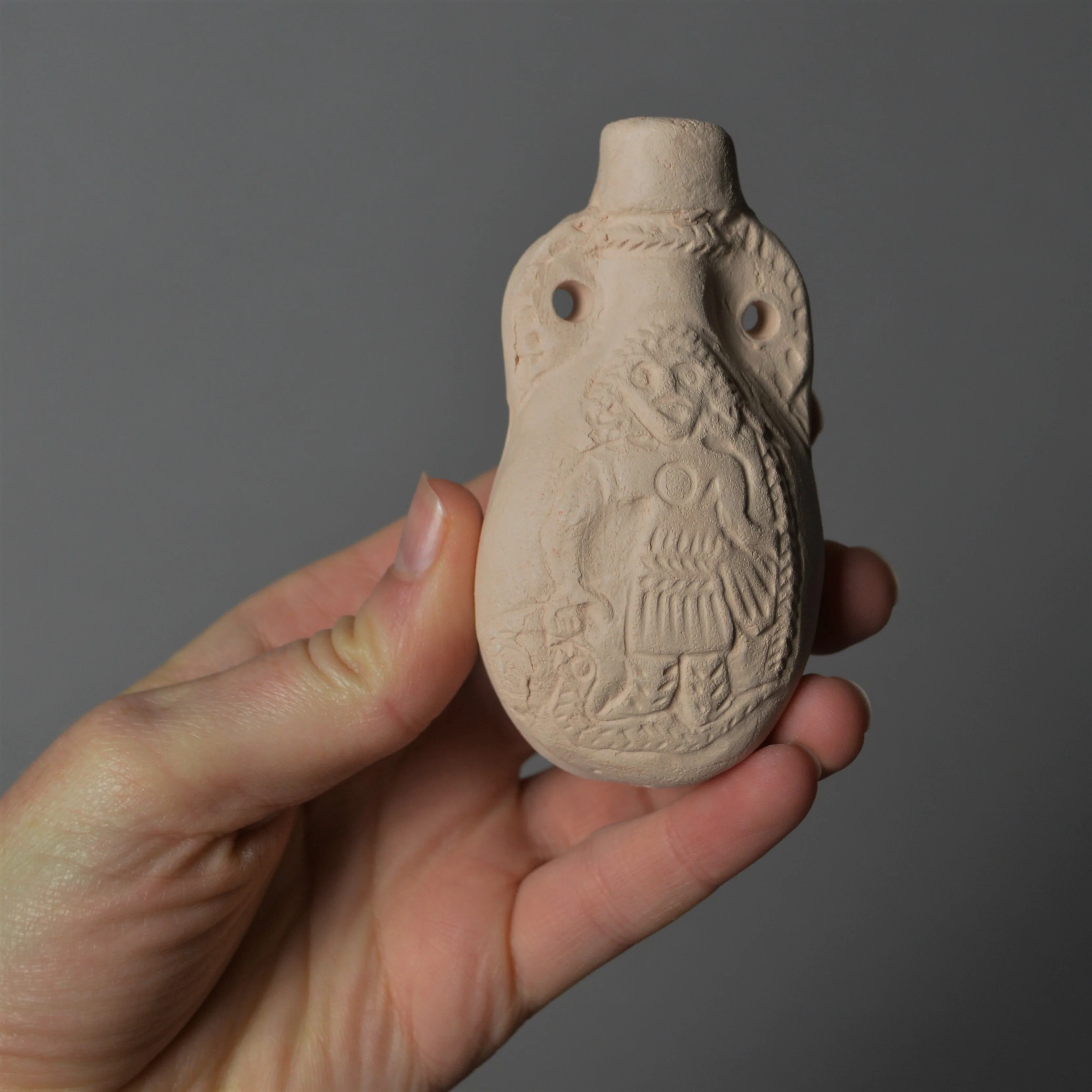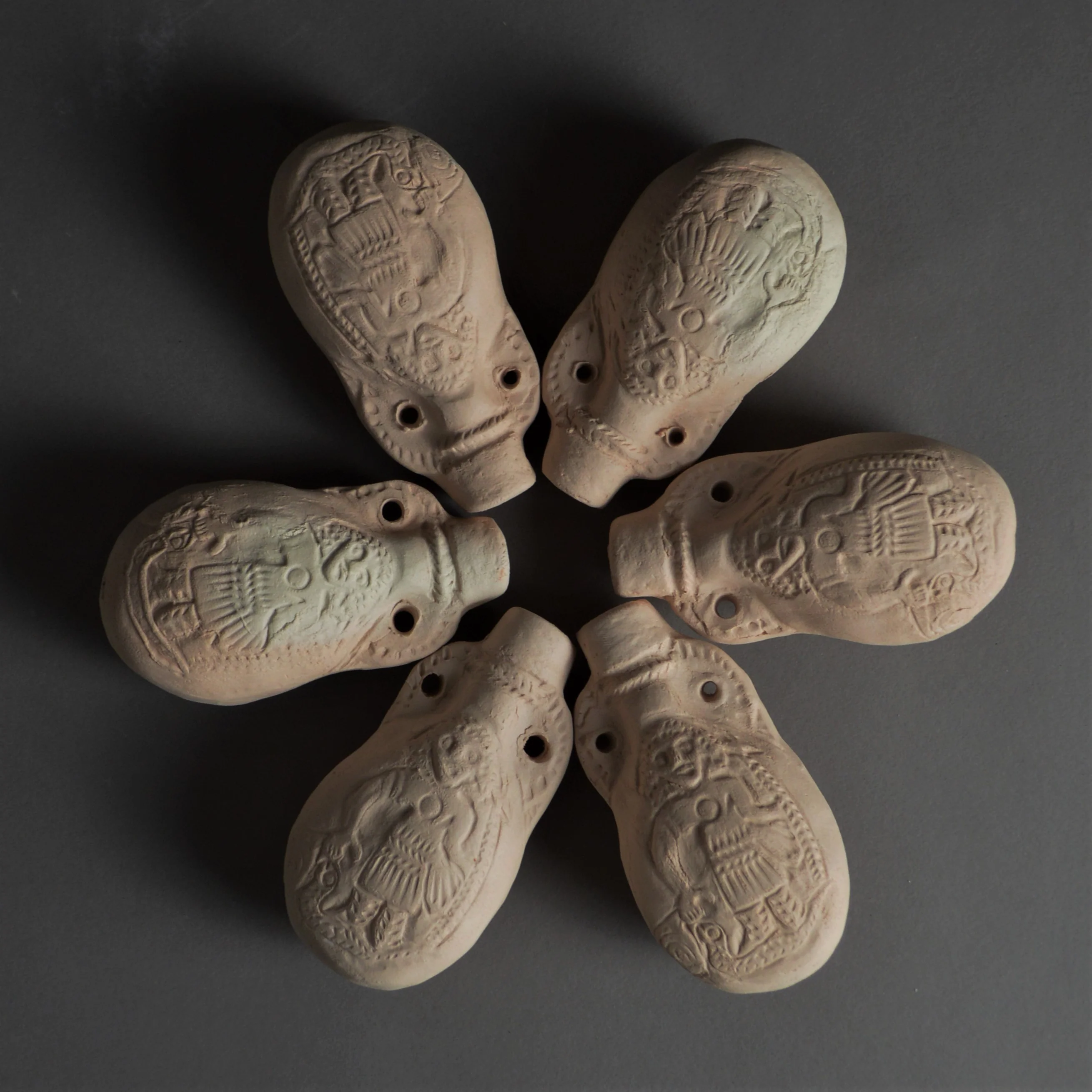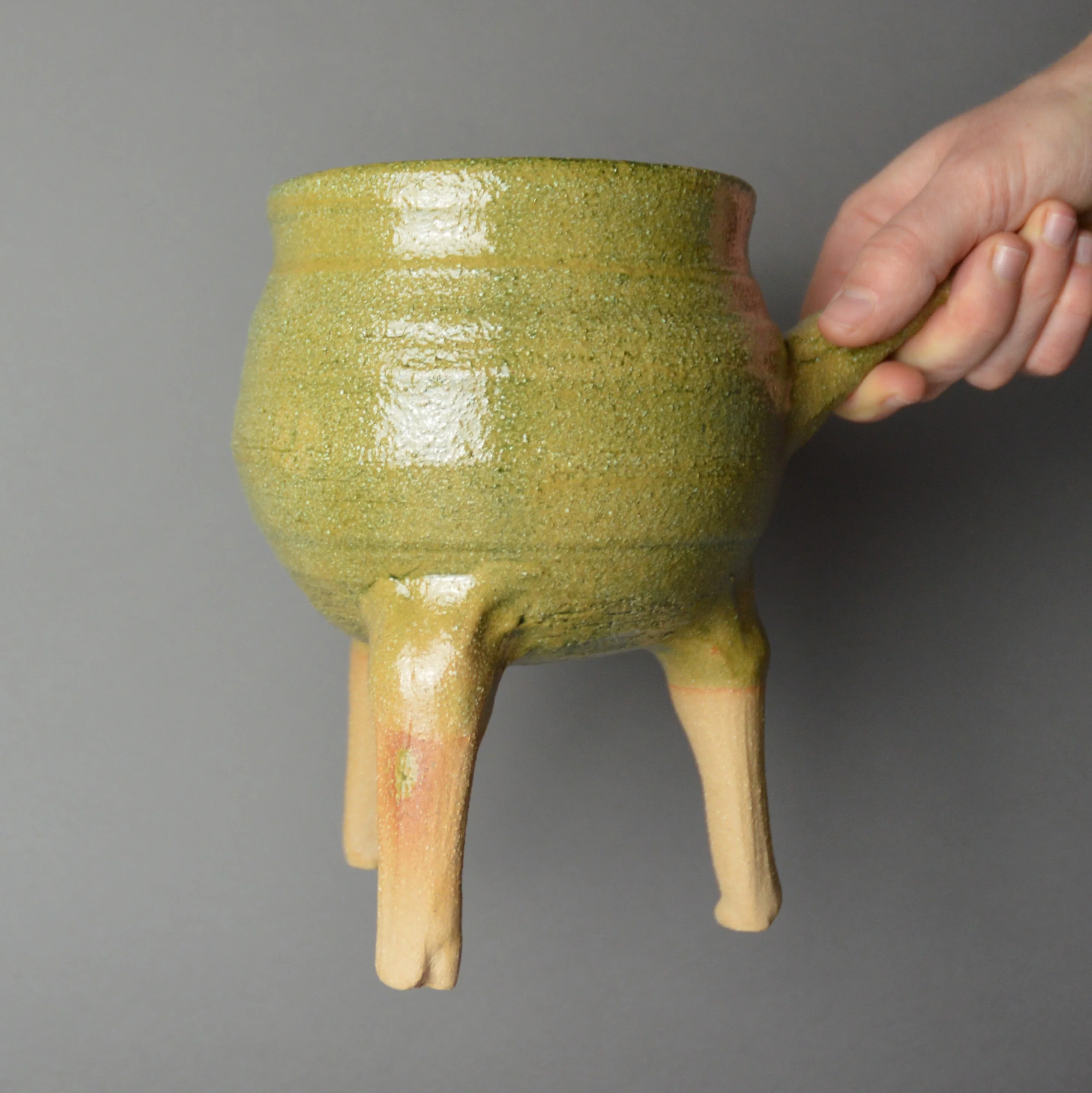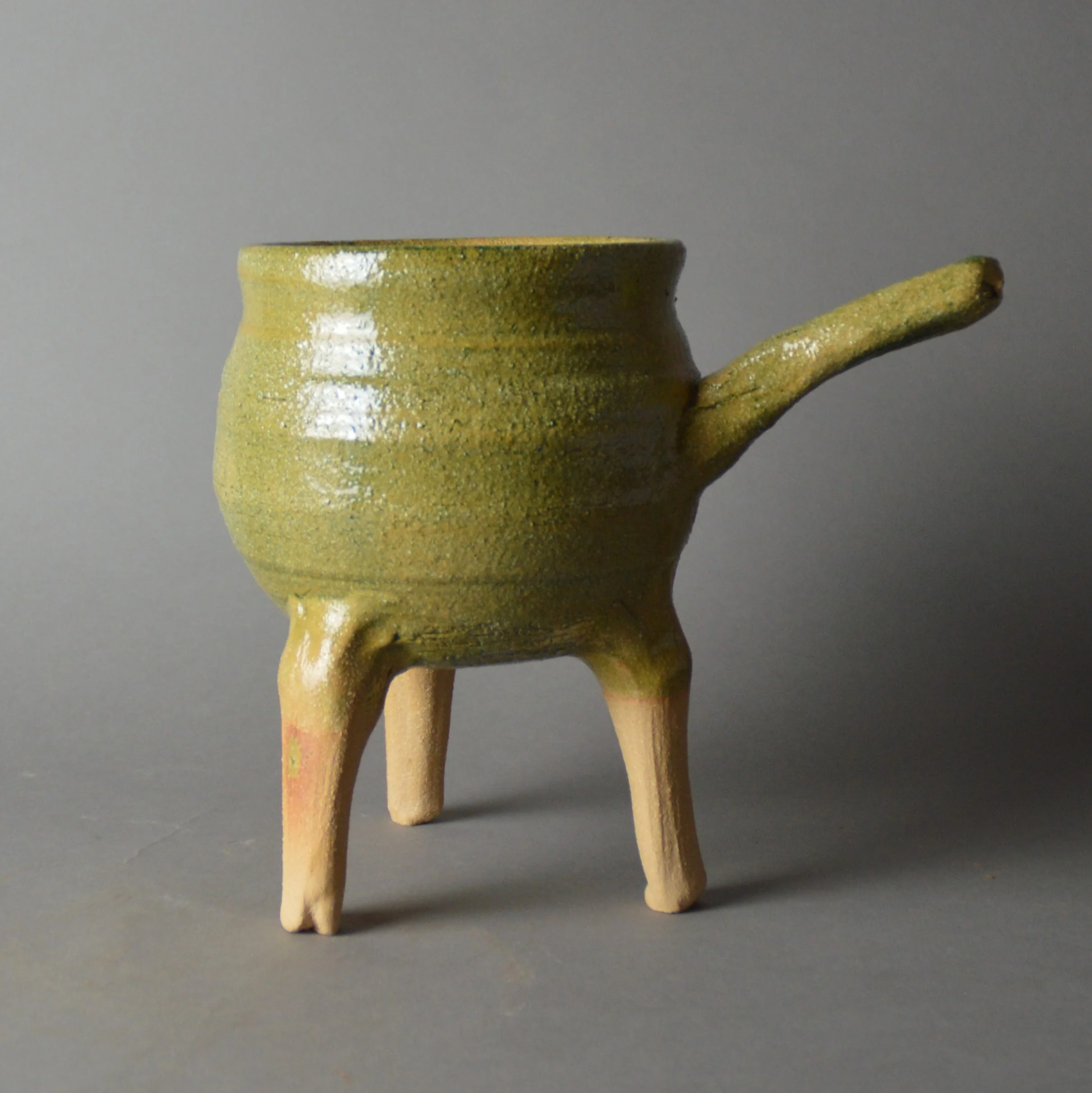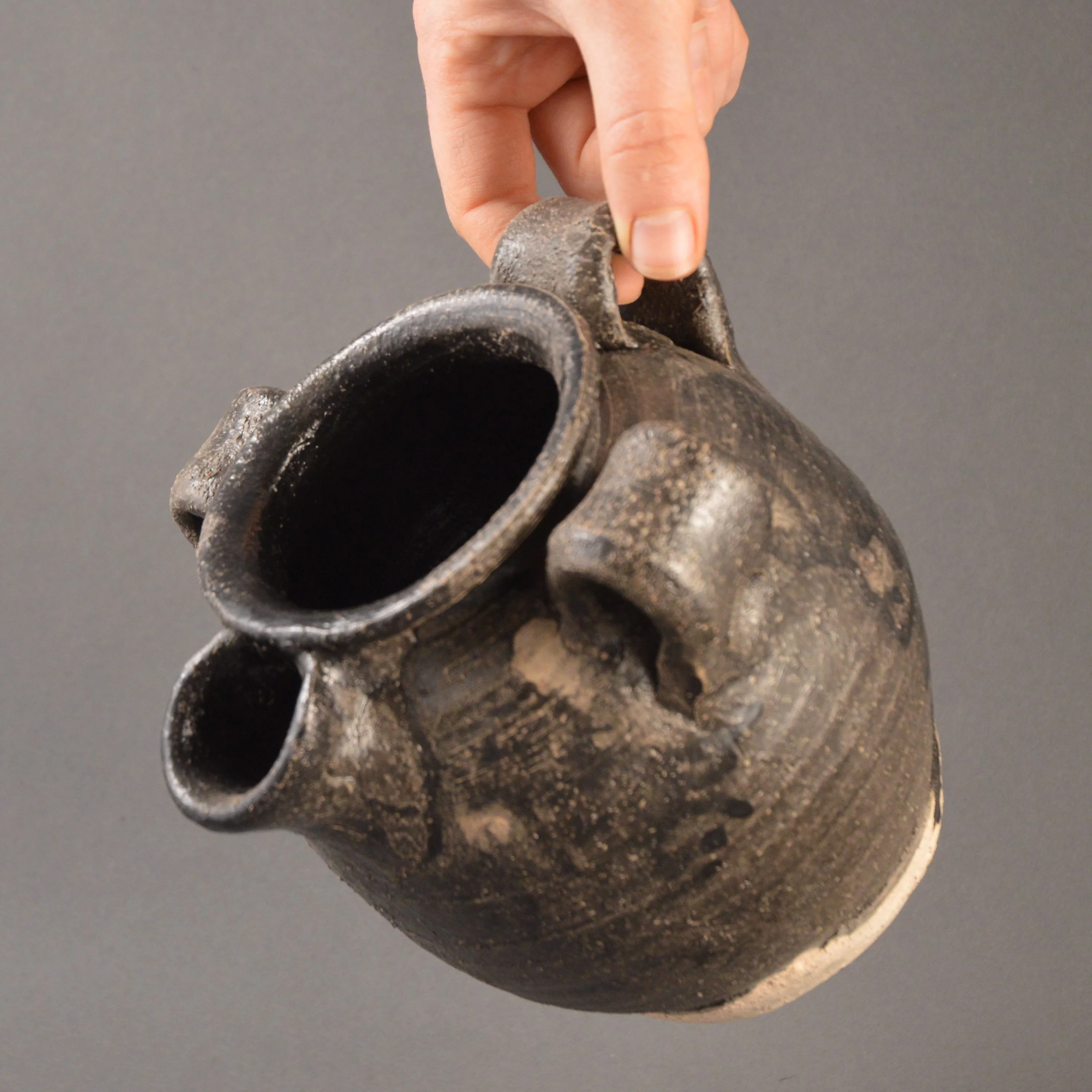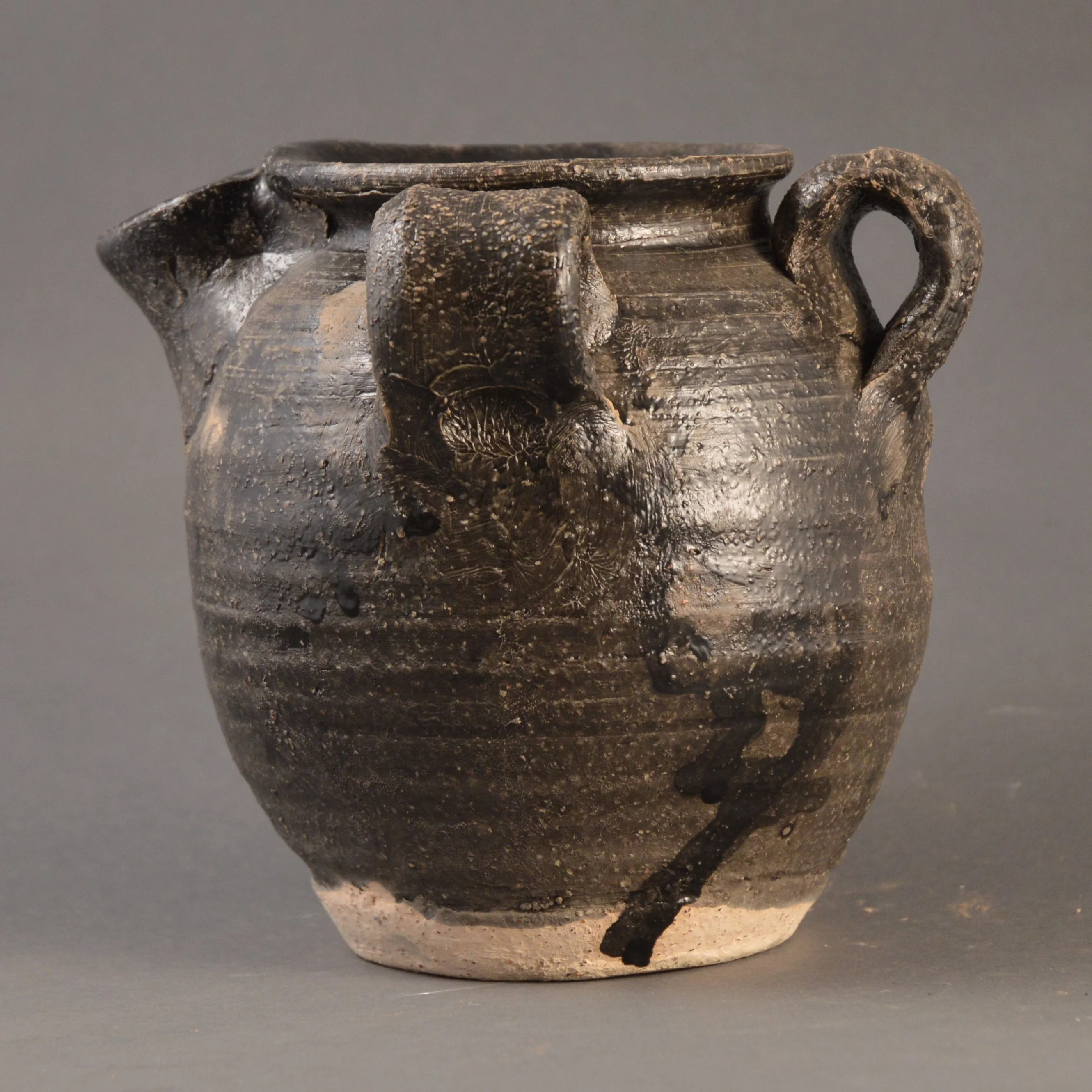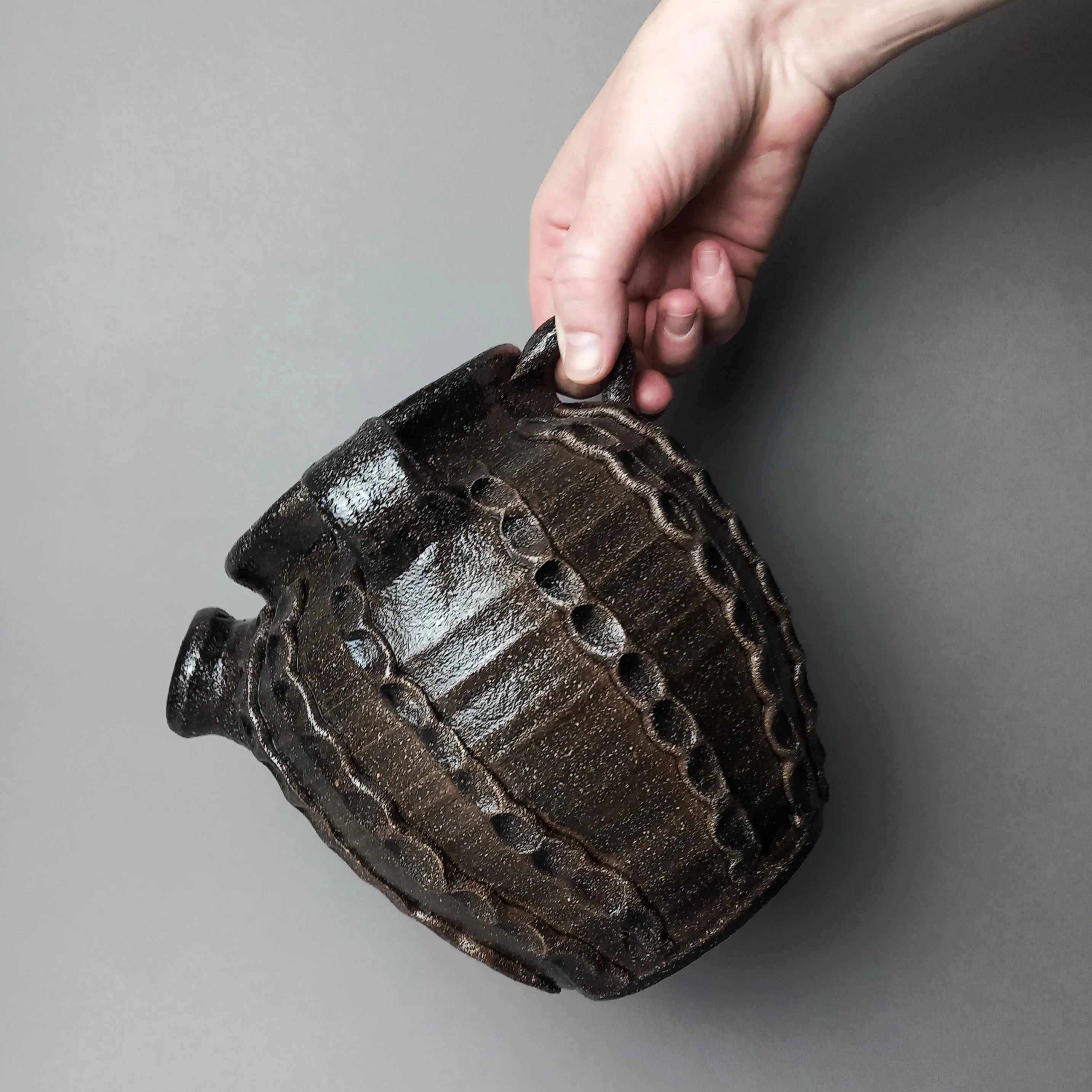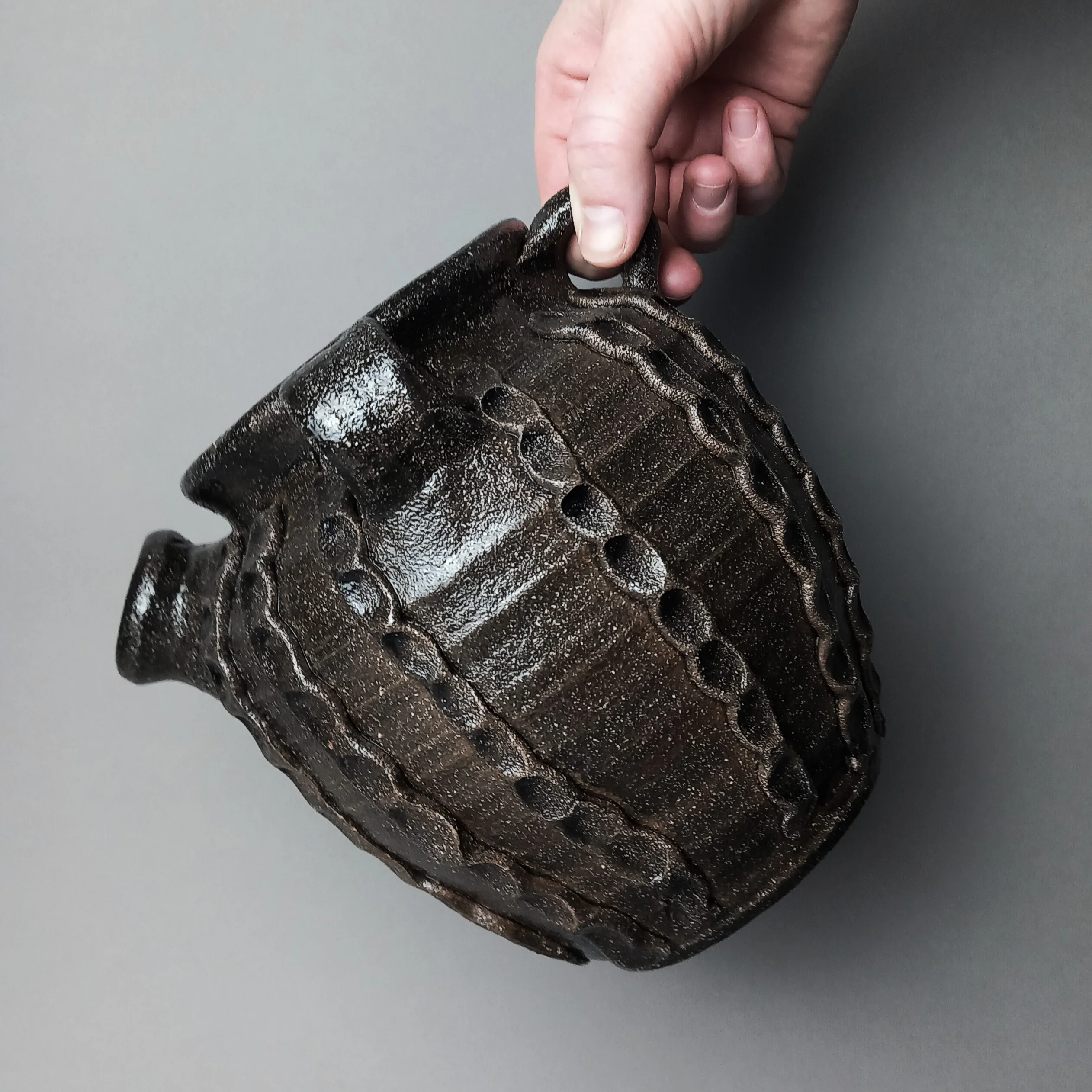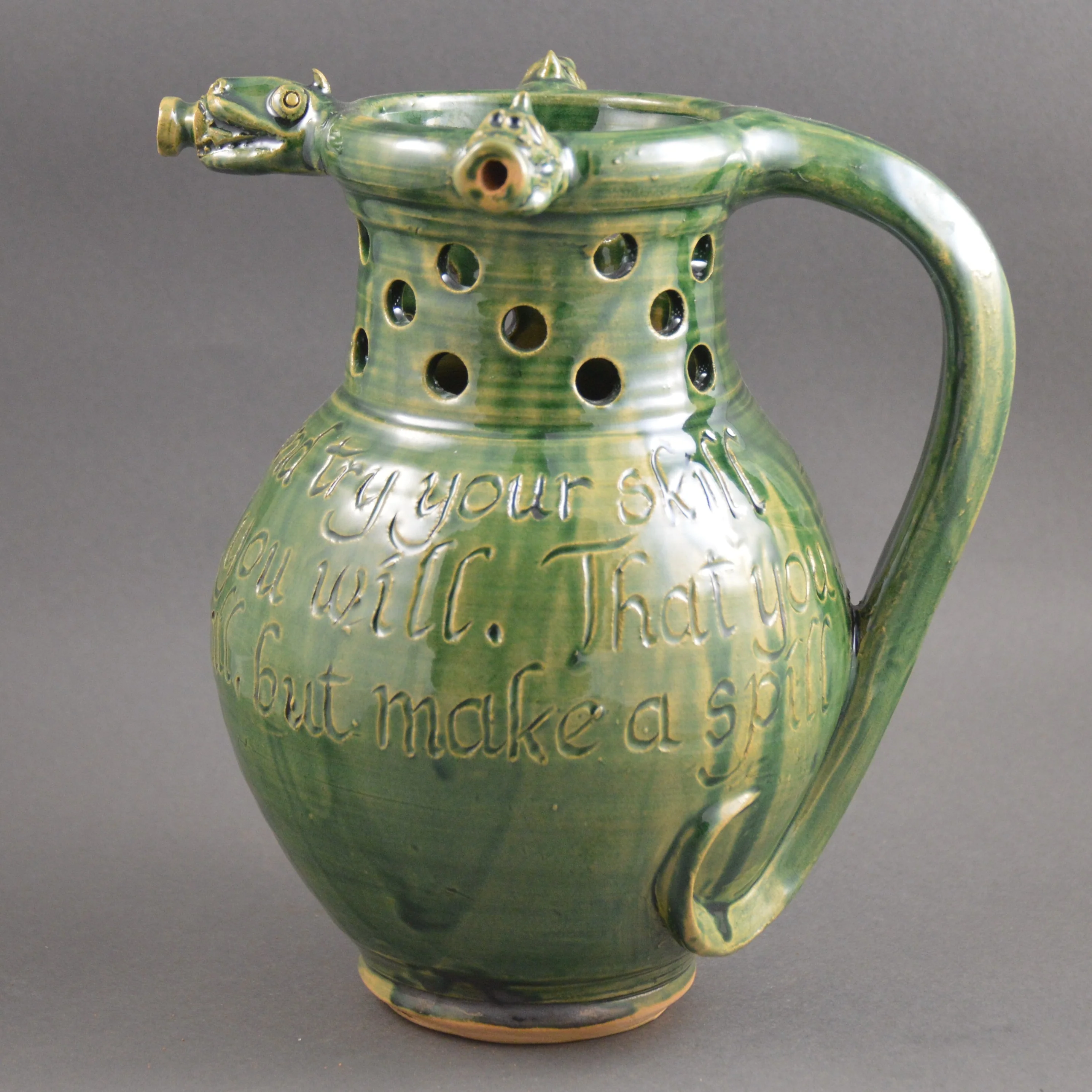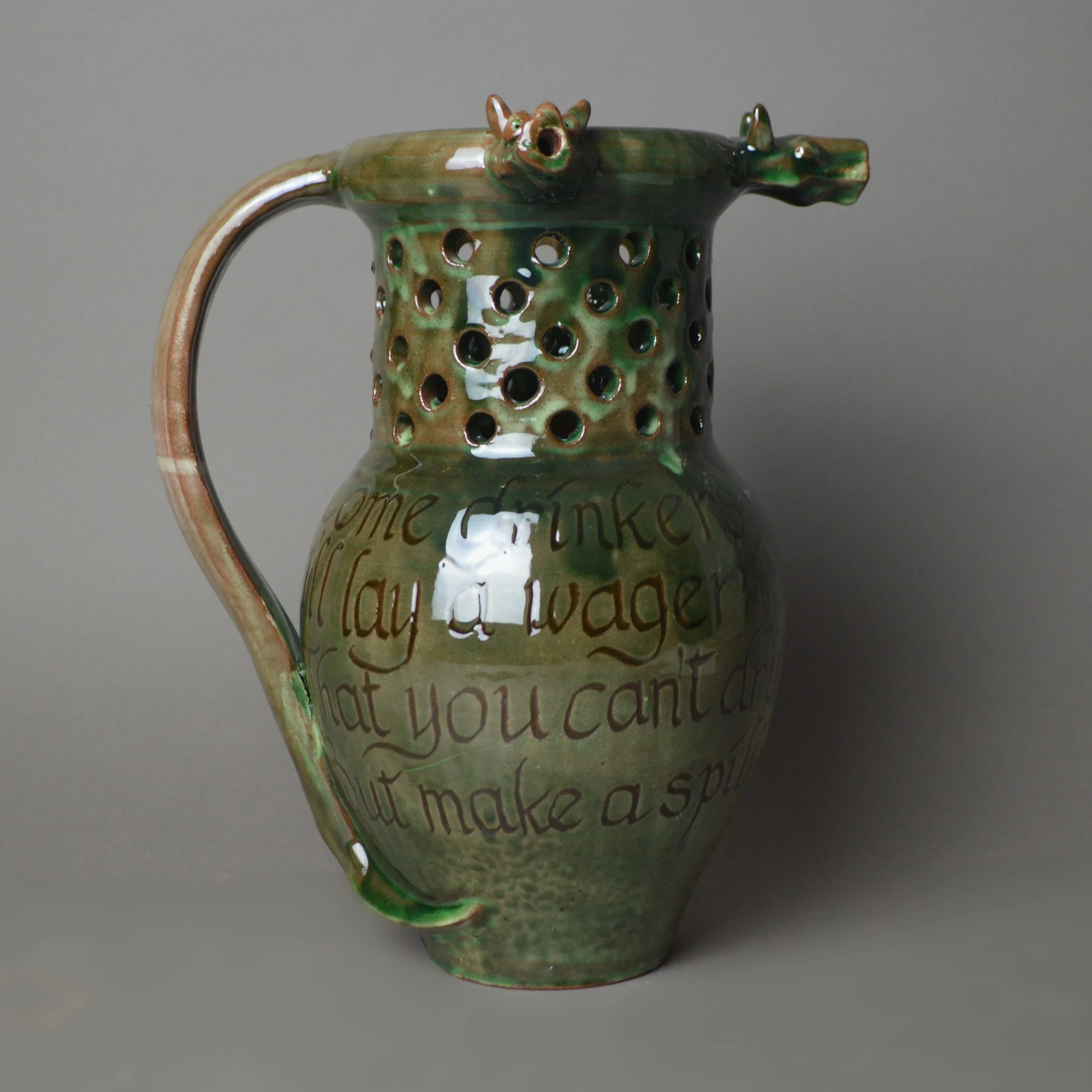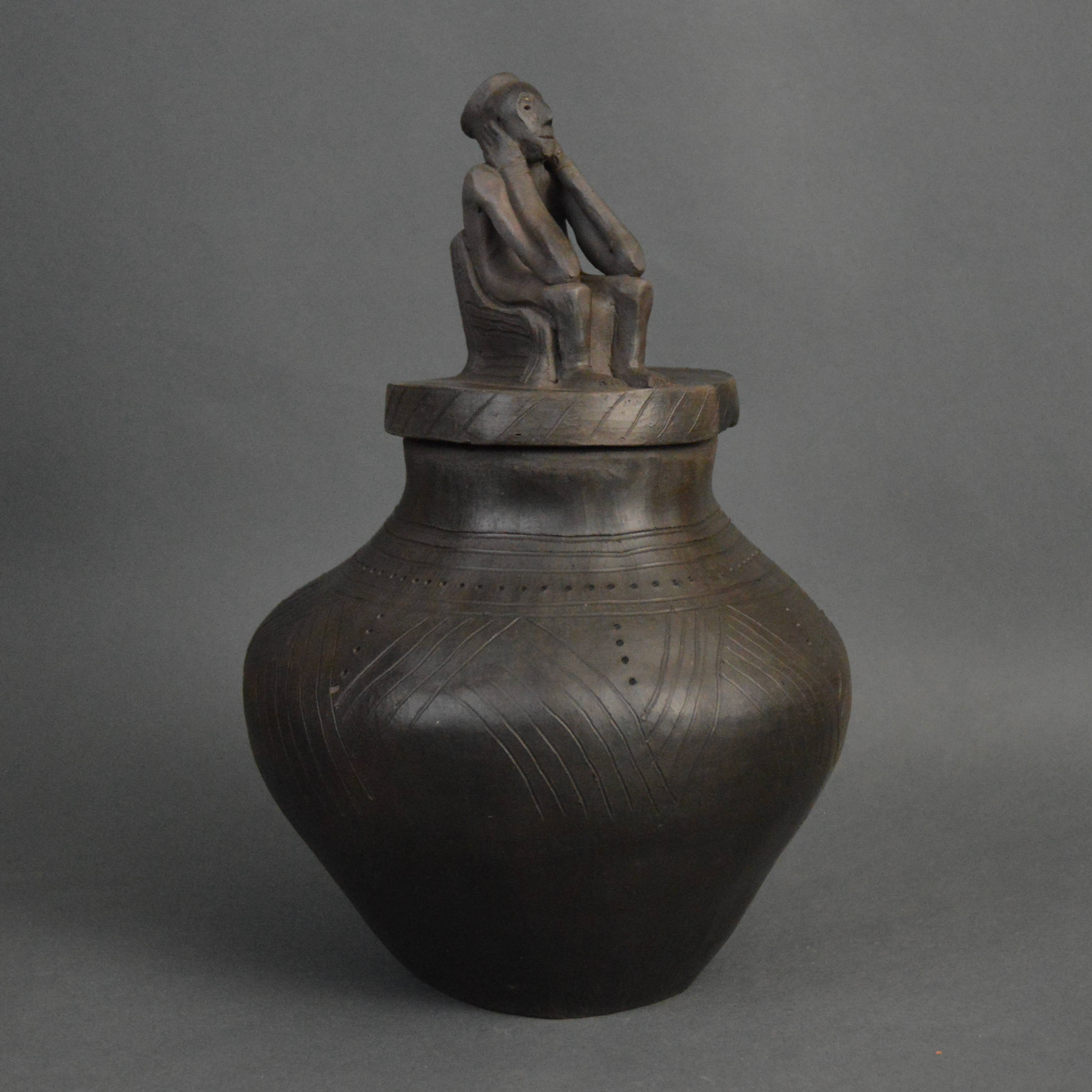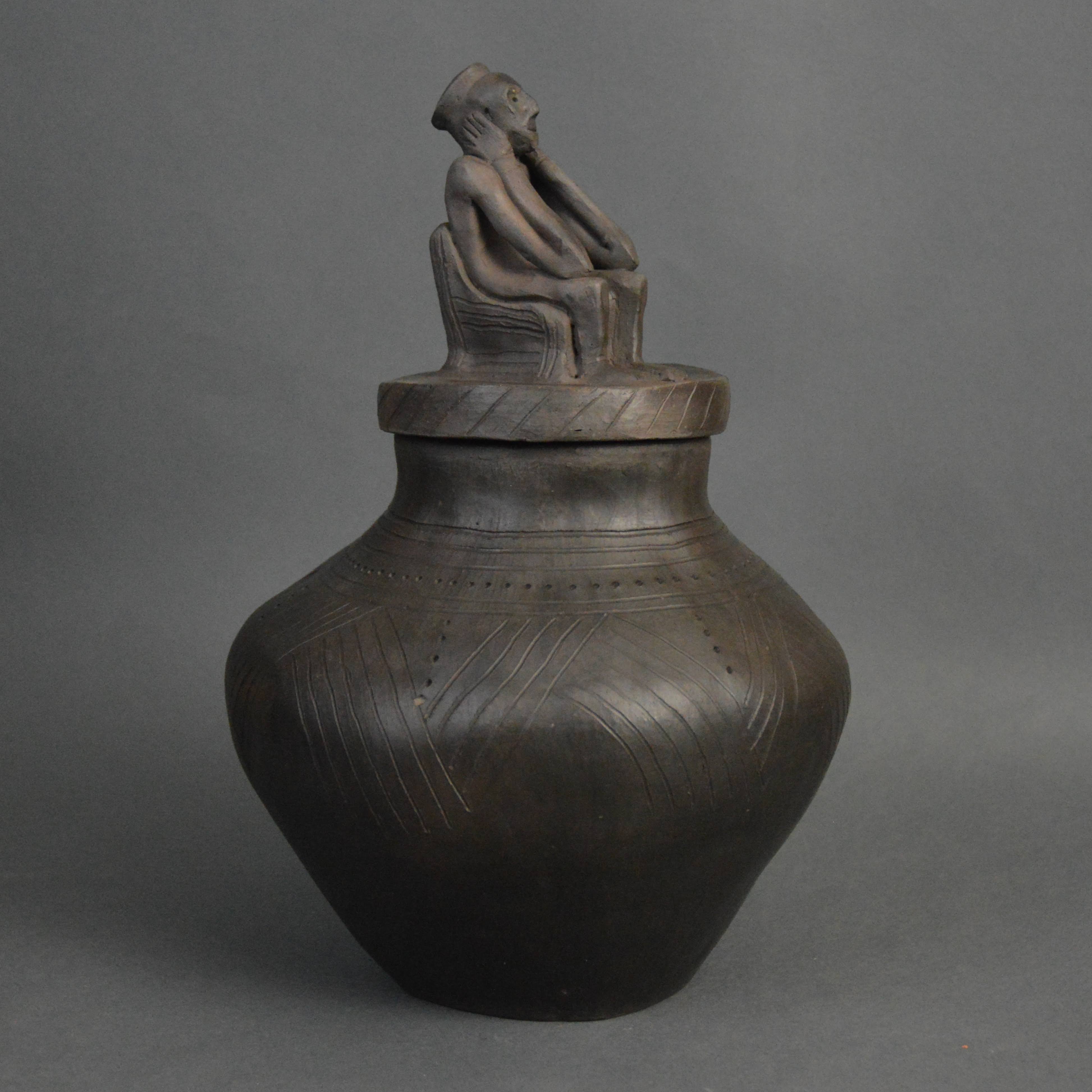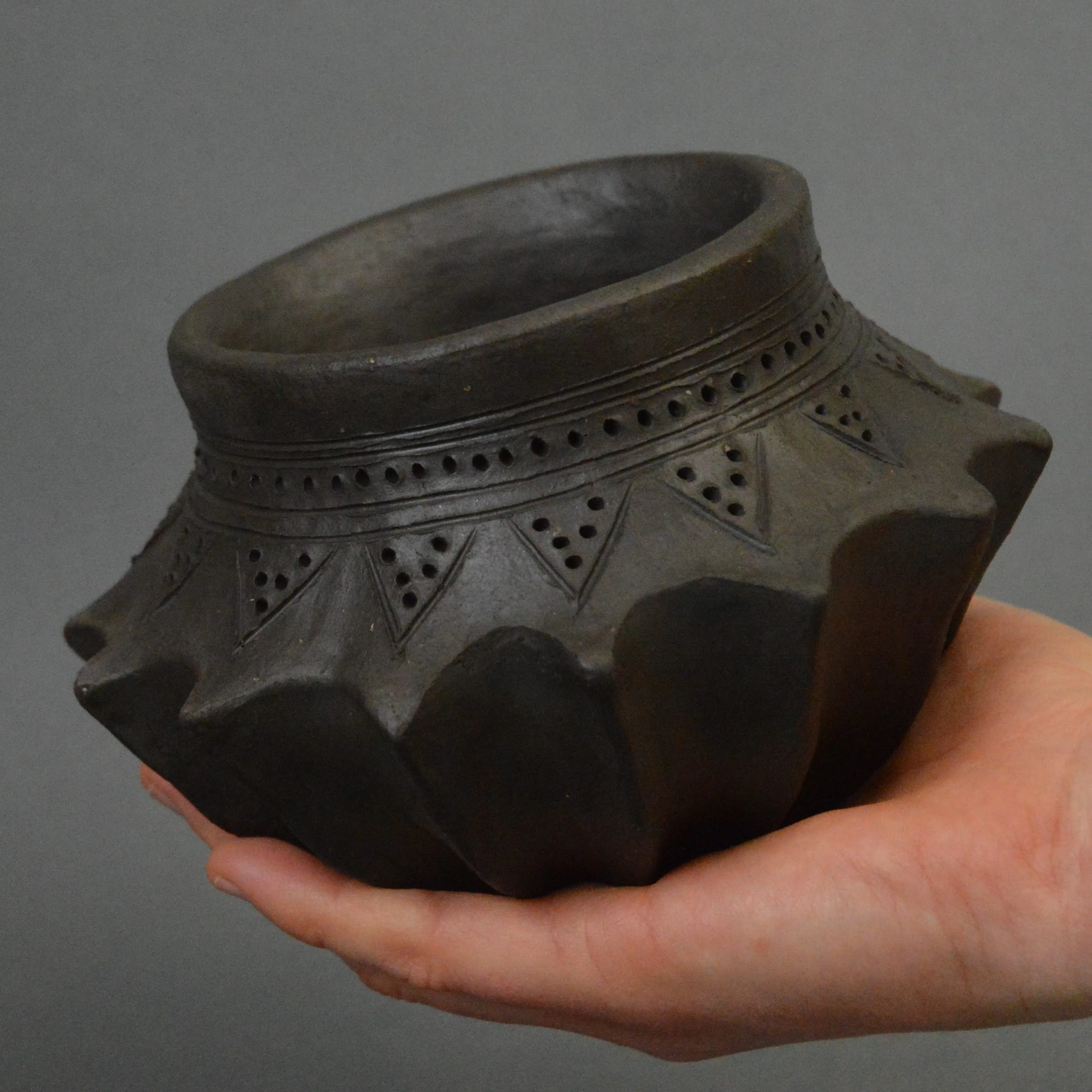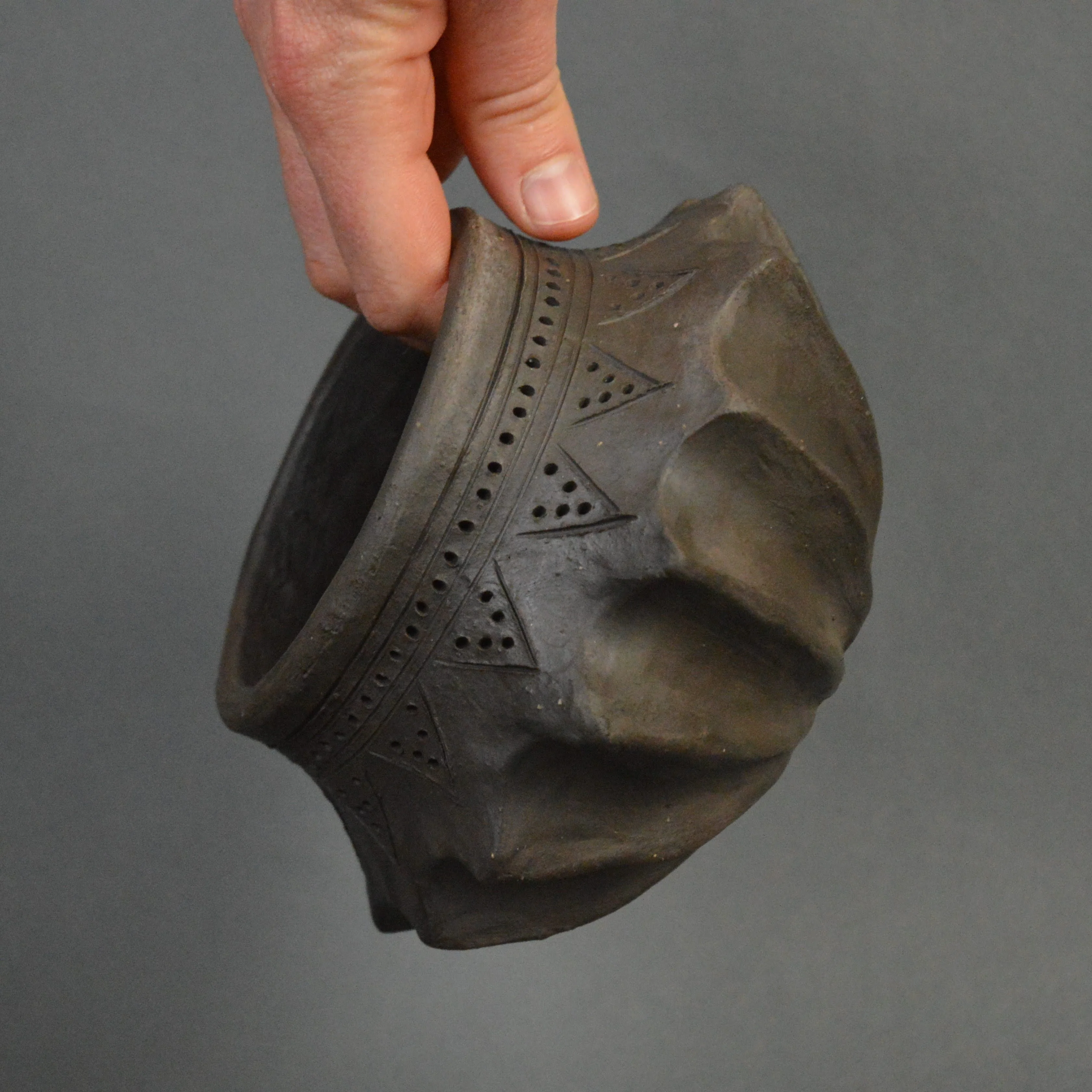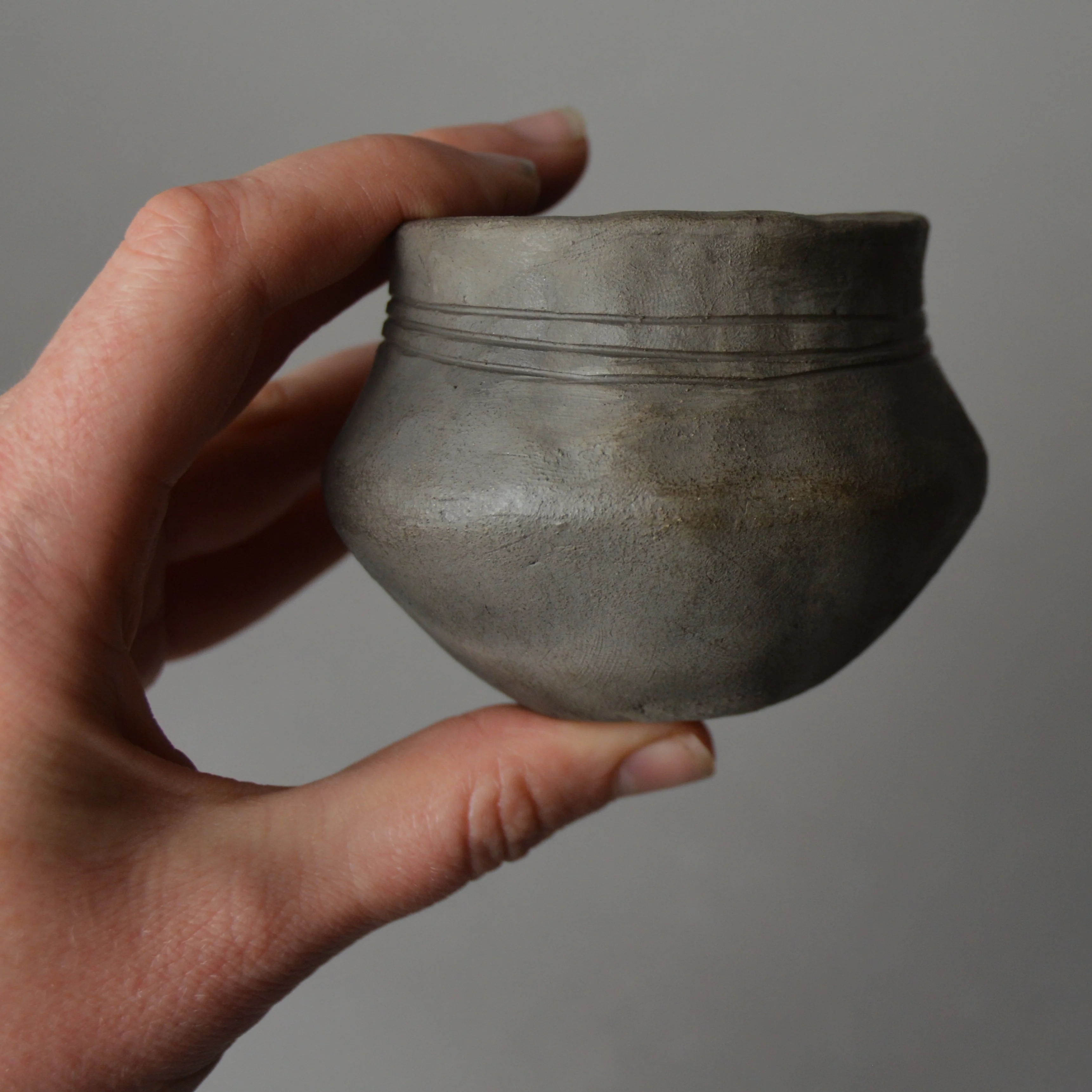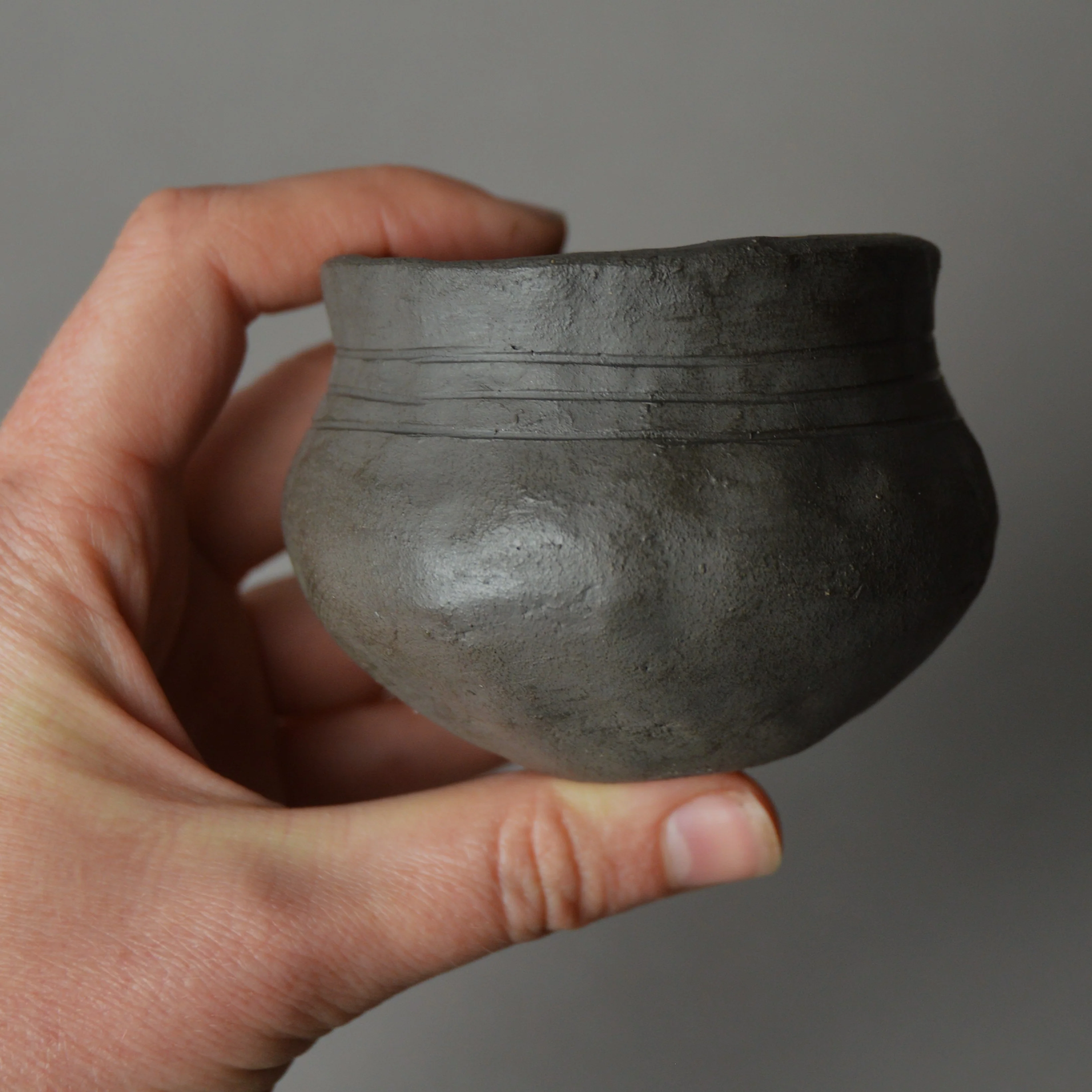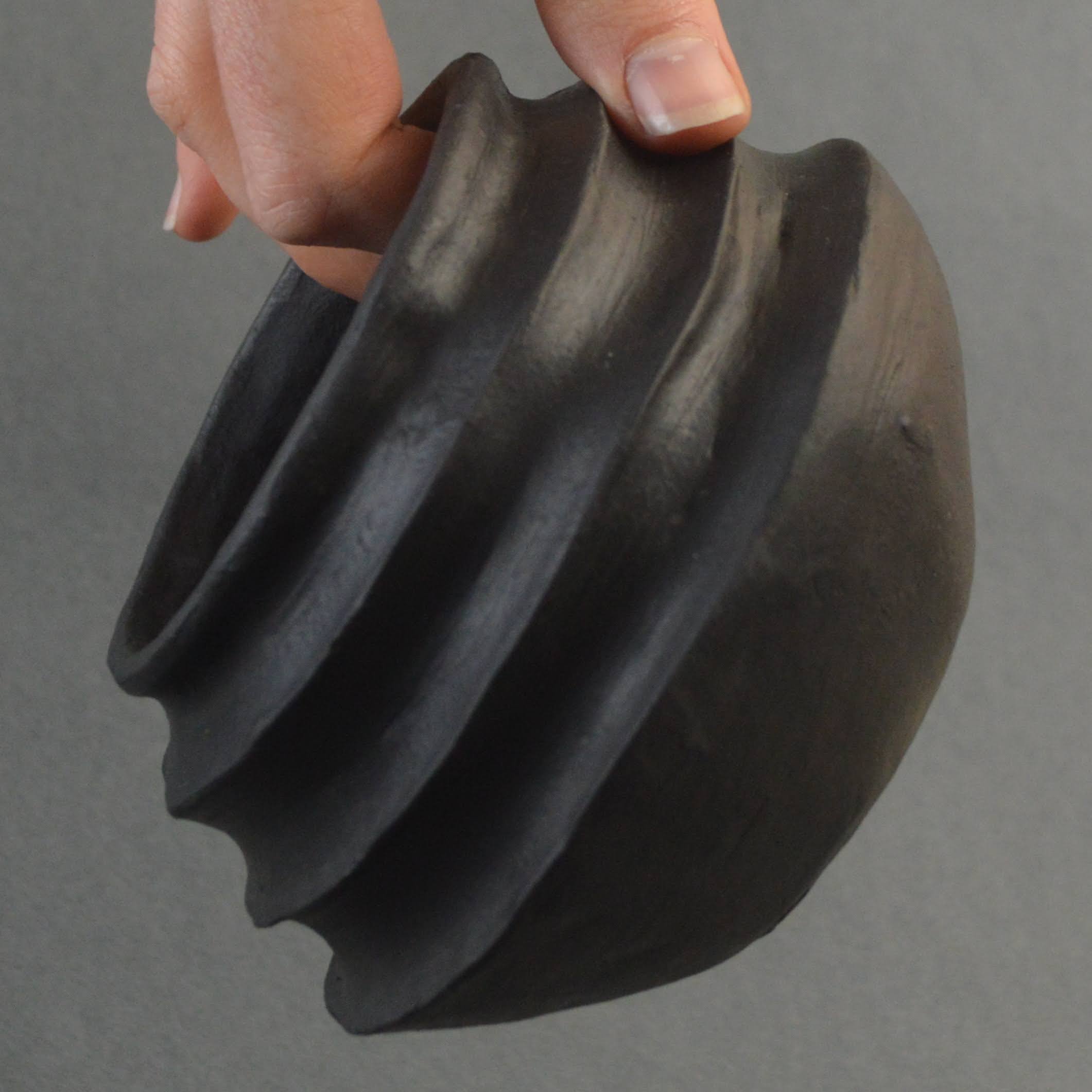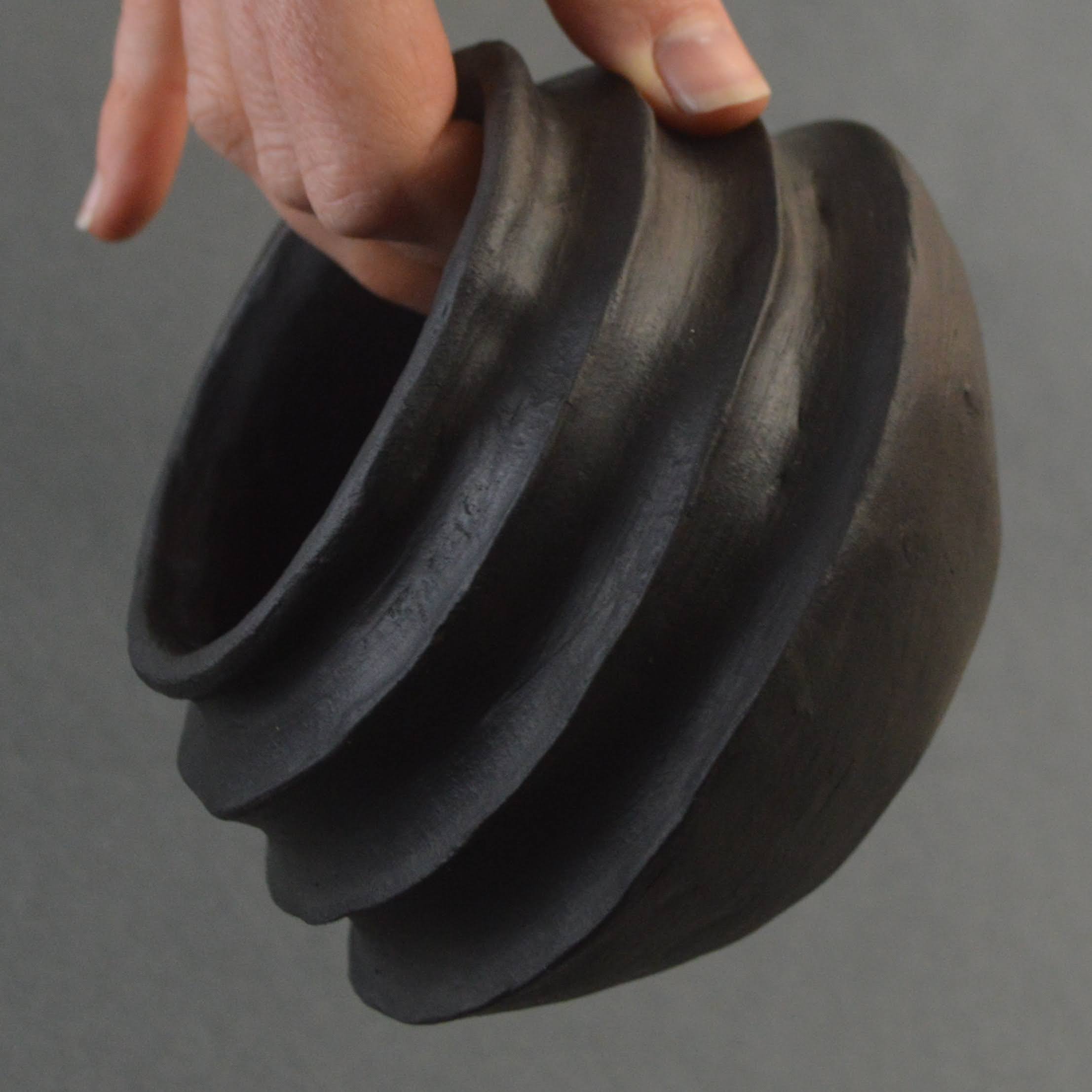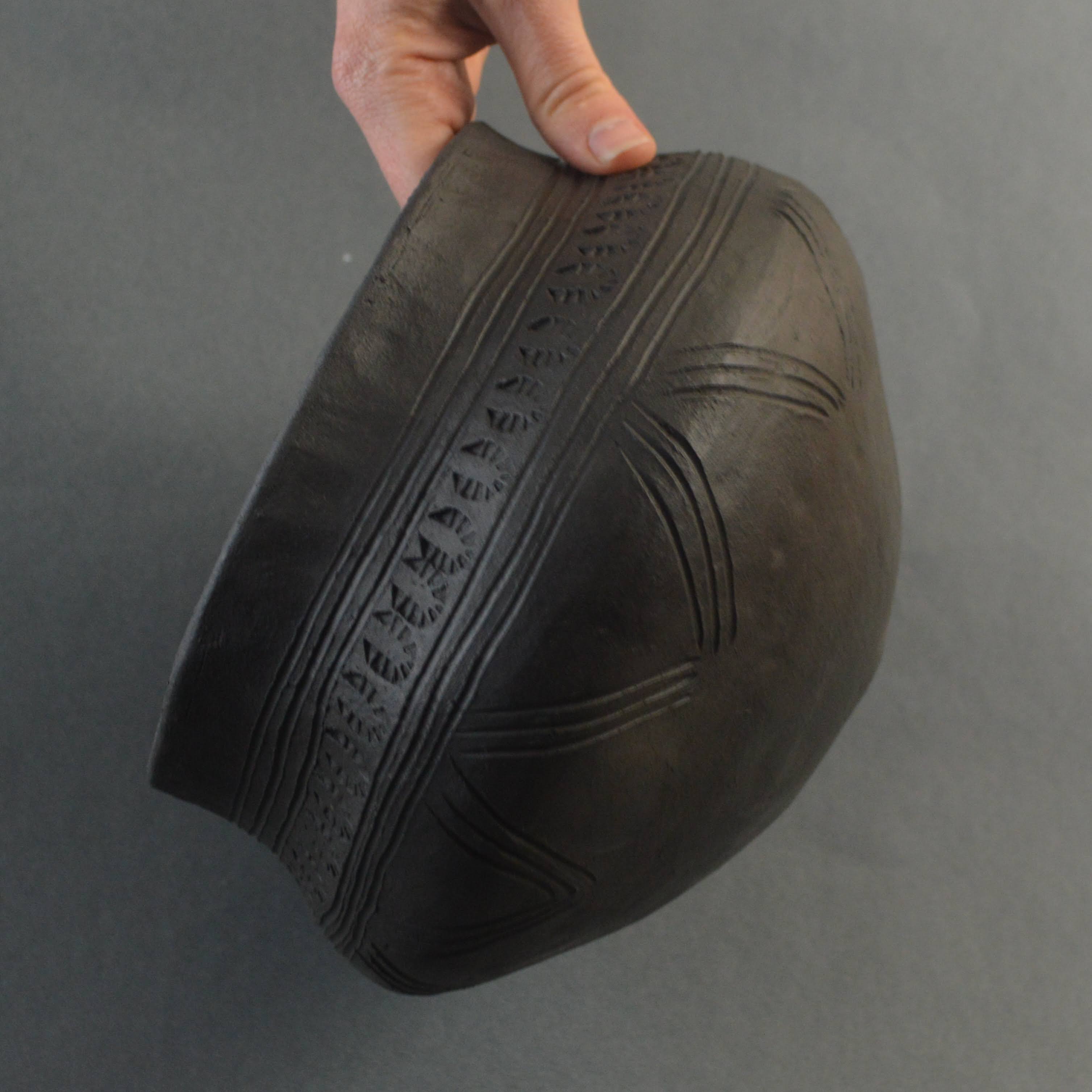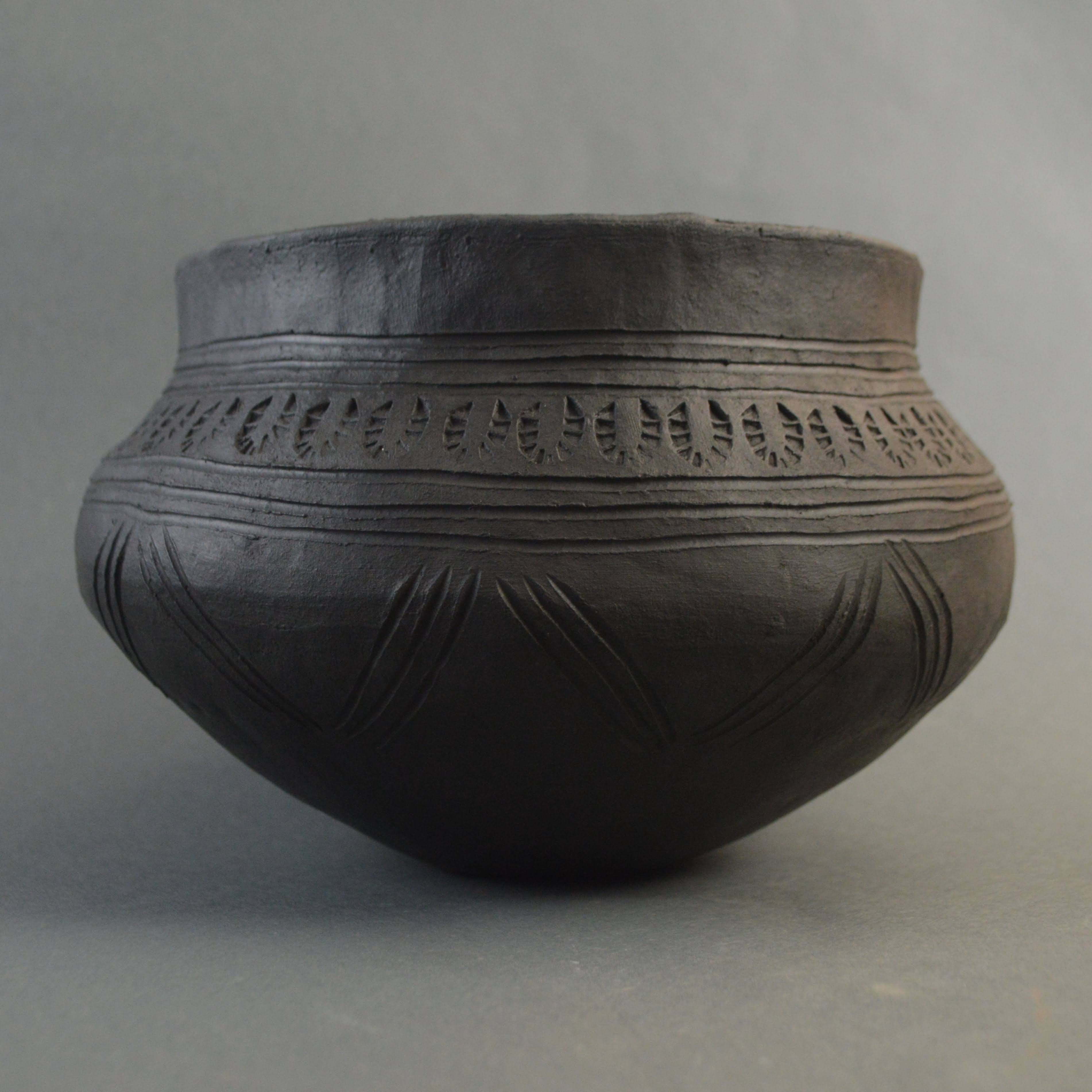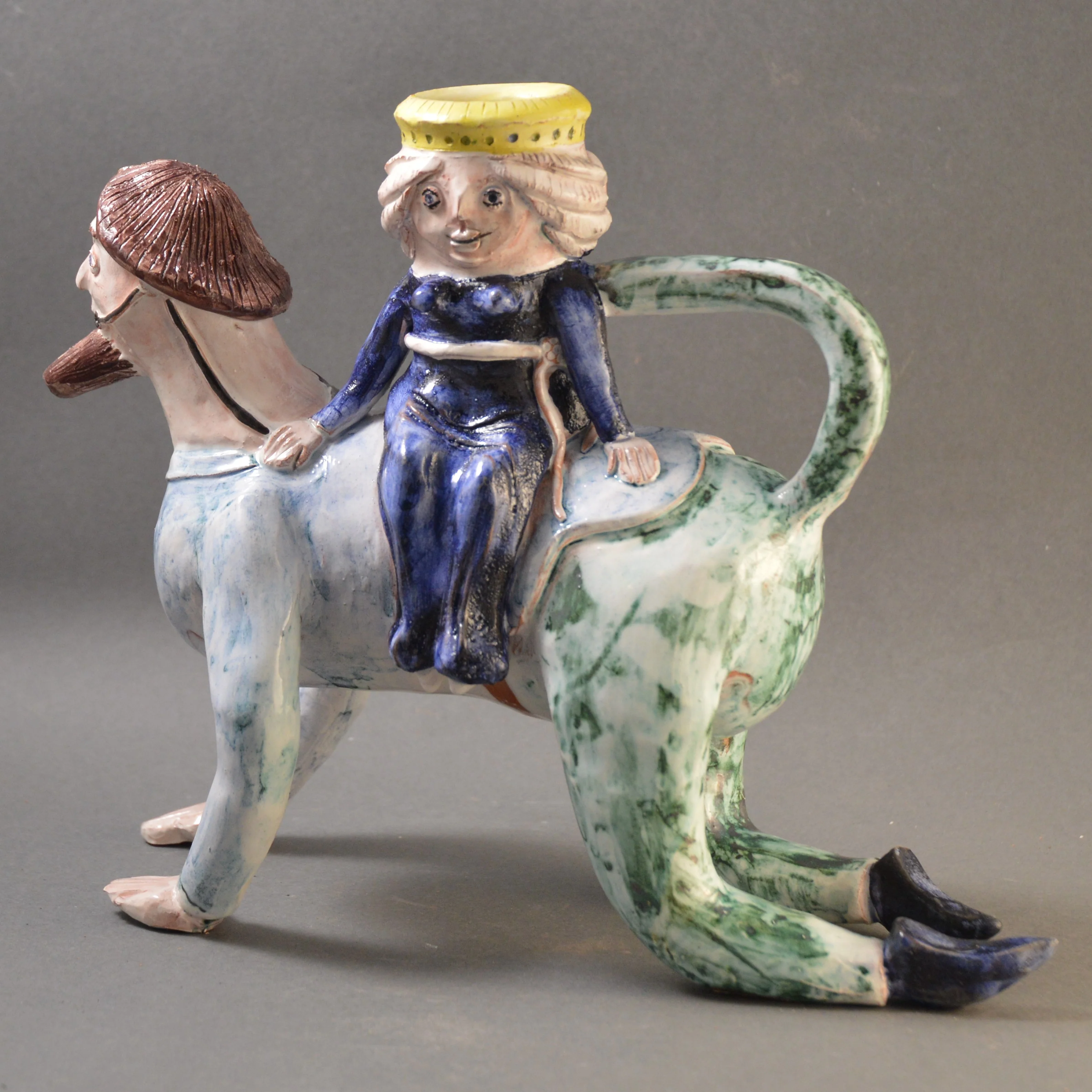
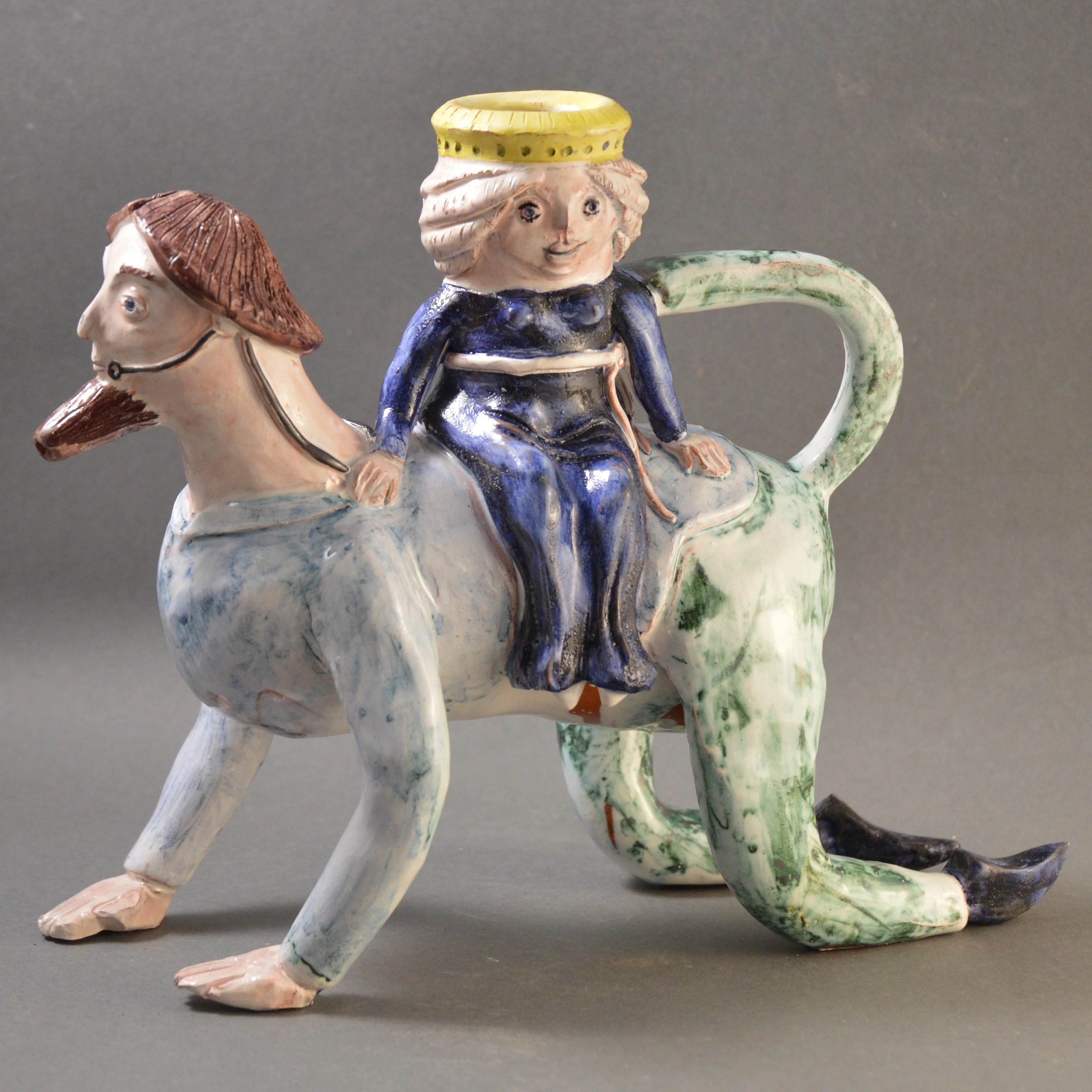
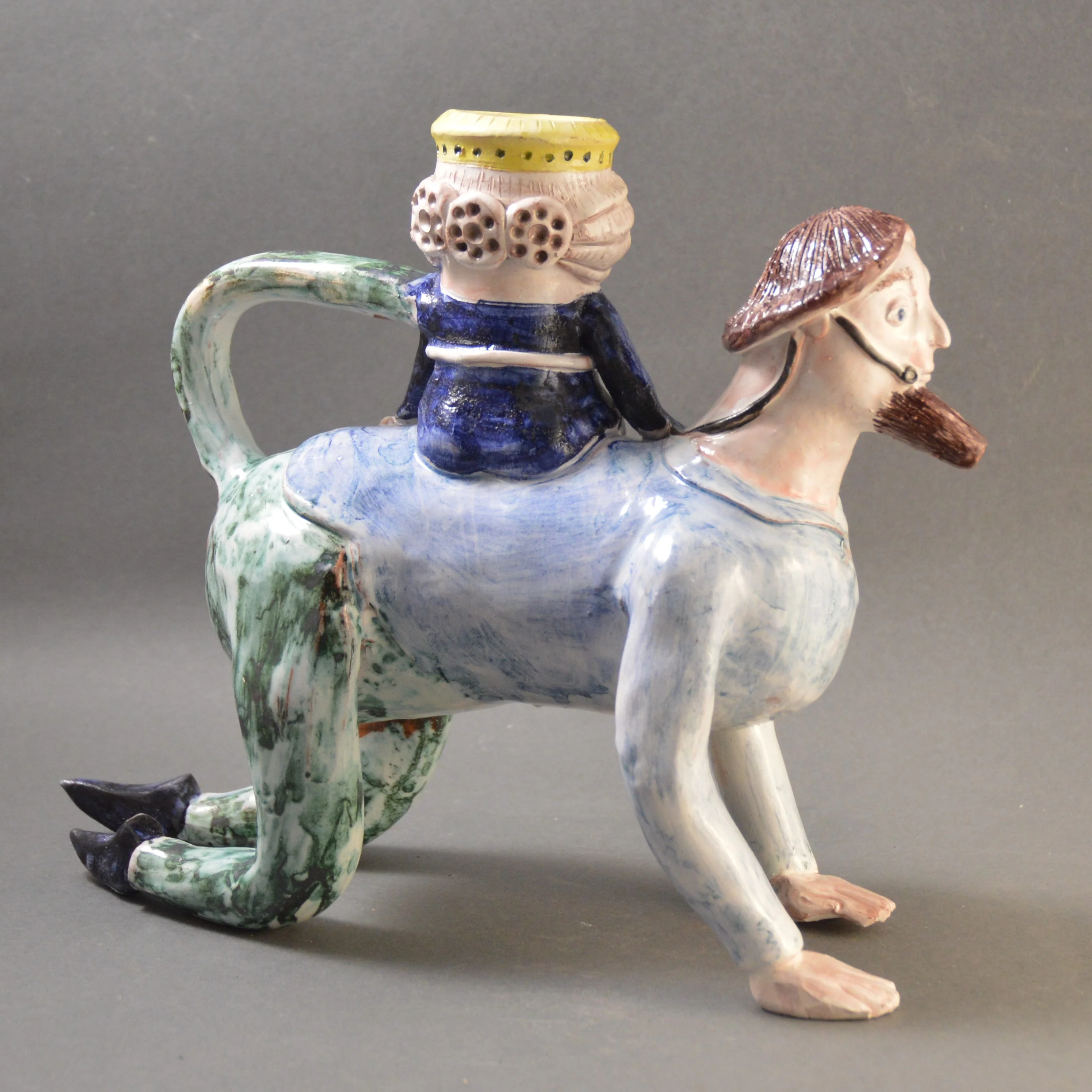
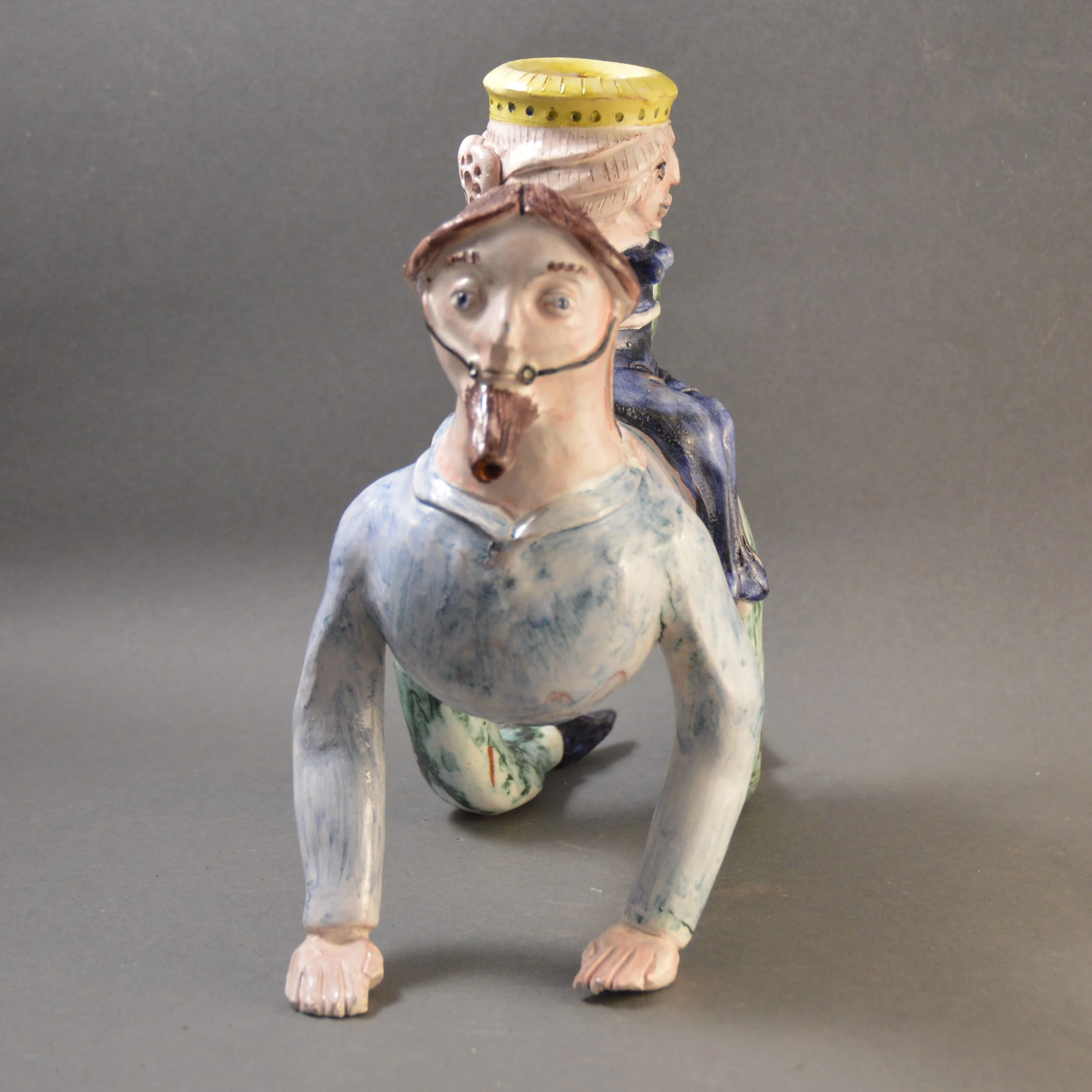
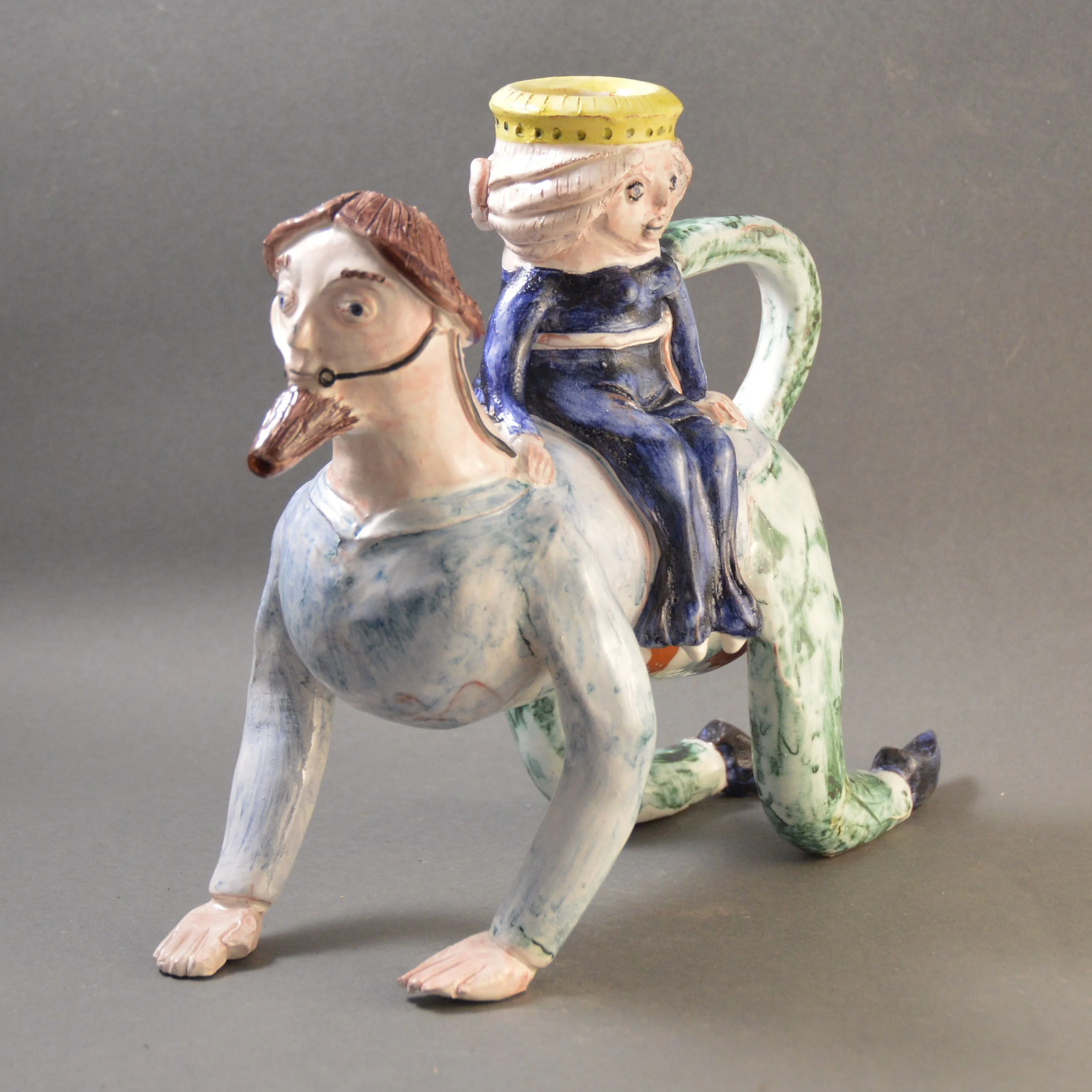
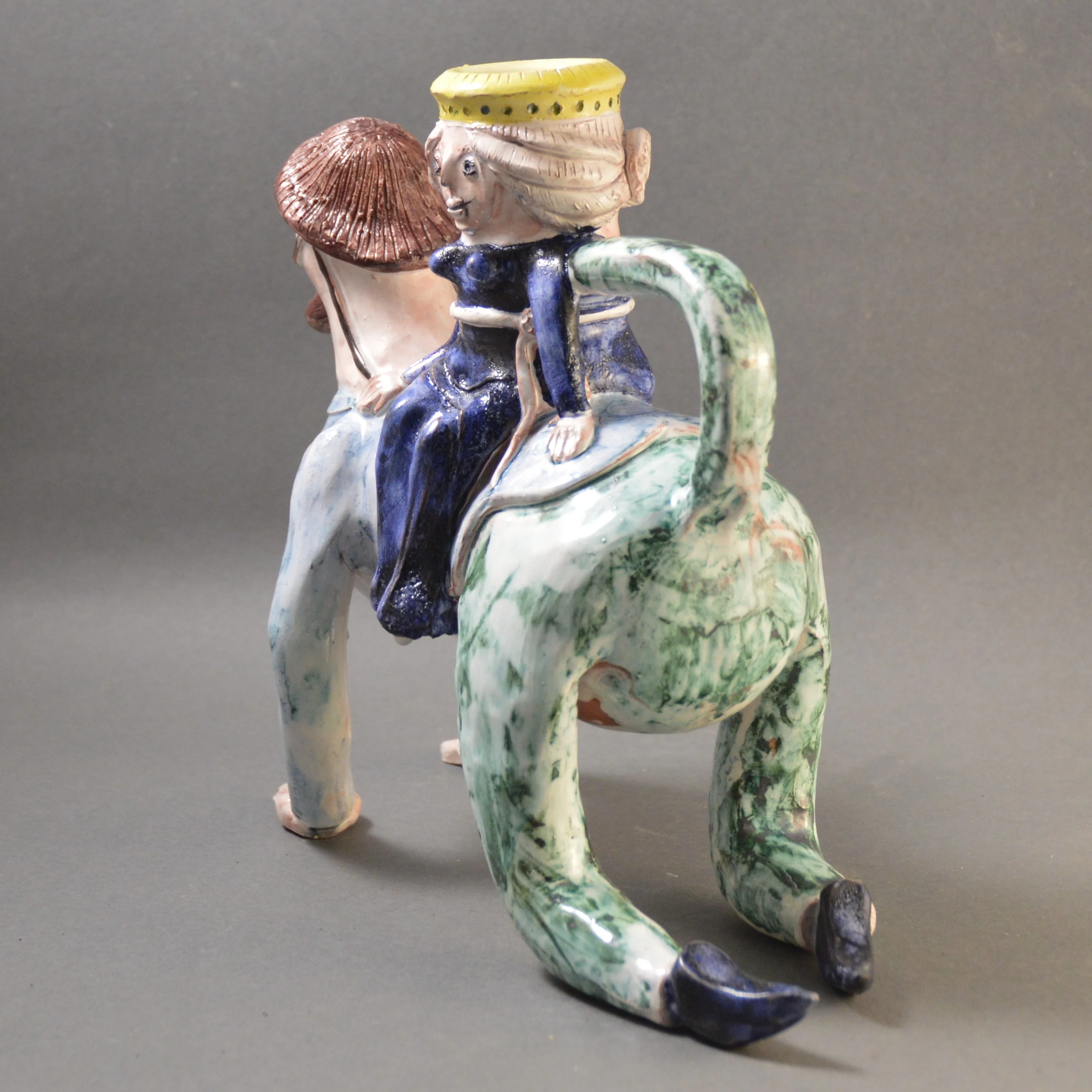
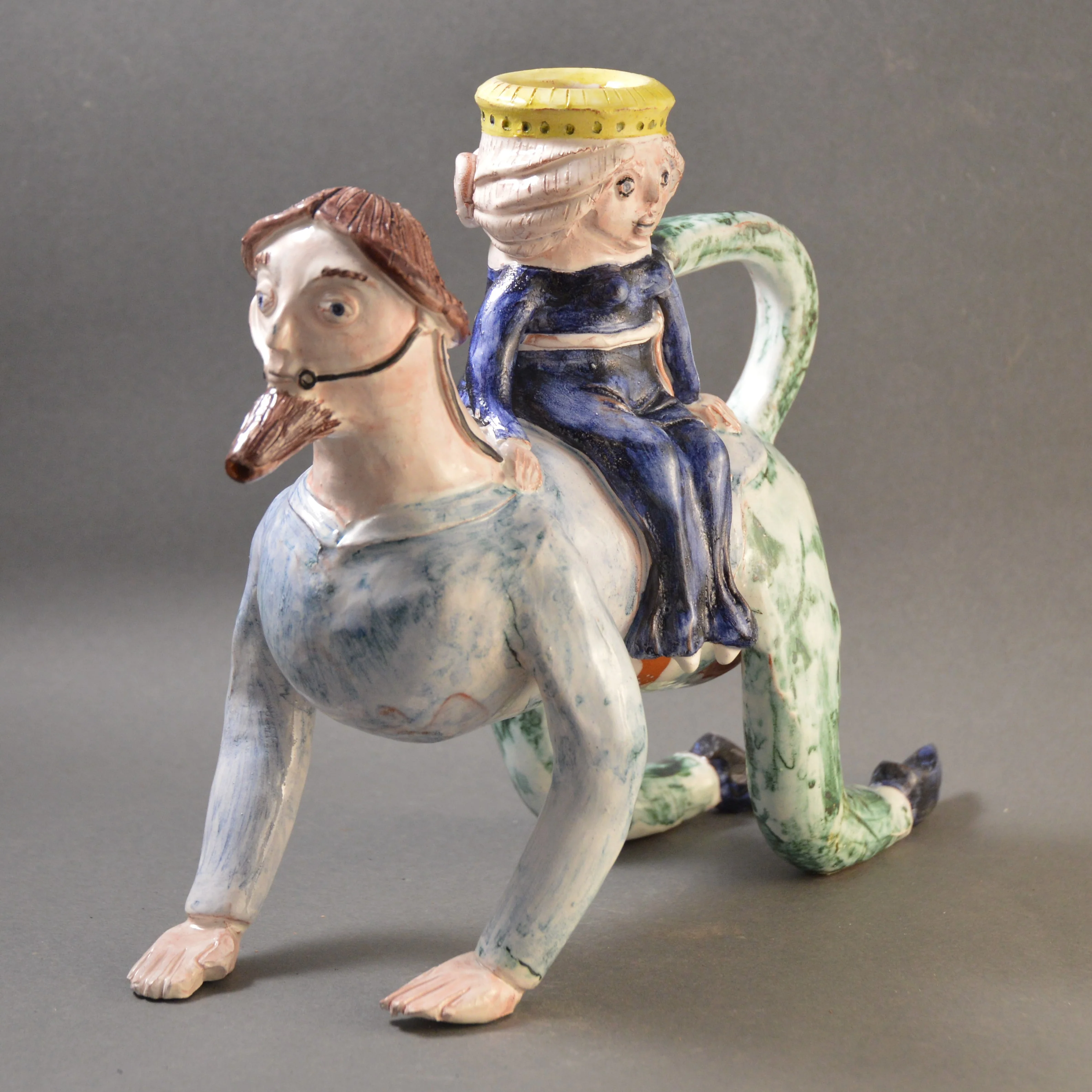
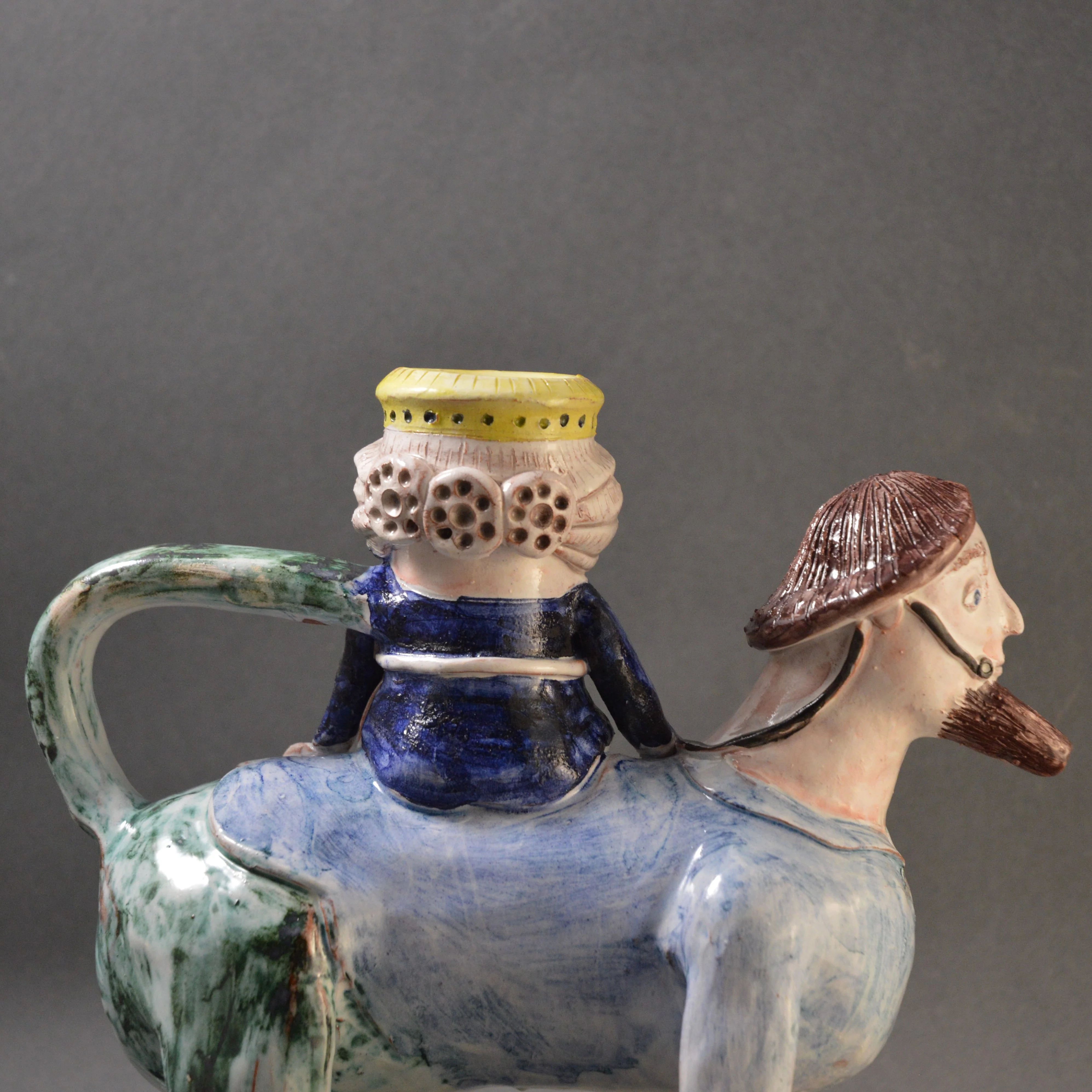
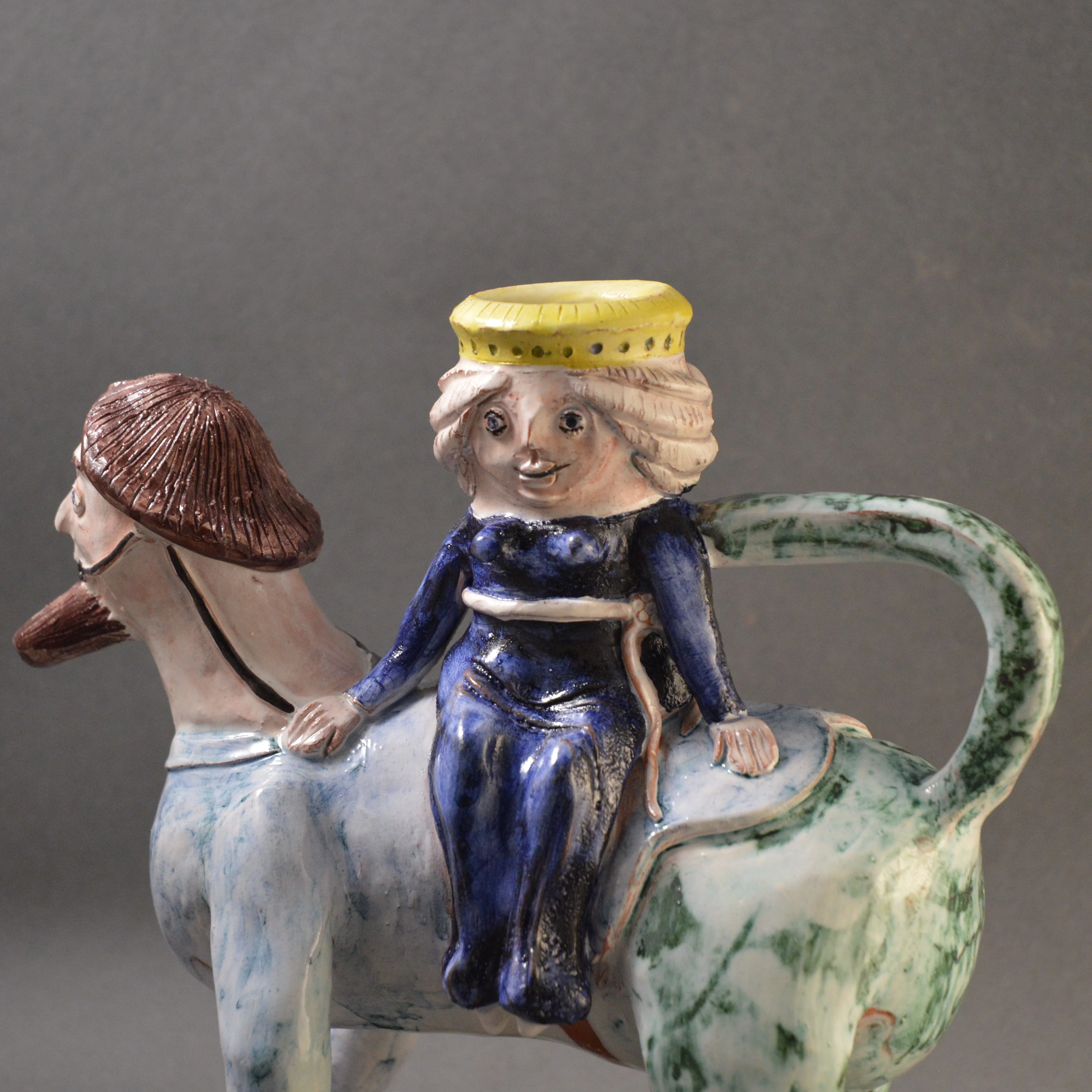
Medieval Aquamanile, The Legend of Phyllis and Aristotle
Handcrafted Medieval Aquamanile – Aristotle and Phyllis
Details
Originally a Persian tradition, aquamanilia were used to pour water for hand washing during both religious and secular rituals. Typically crafted from copper or bronze, these elaborately shaped vessels—often depicting animals, humans, or mythical scenes—were a major feature of medieval society. Hundreds of examples survive and are now displayed in museums around the world.
As the tradition spread across Europe in the 12th century, it flourished until the 15th century, with finely crafted metal examples commissioned by high-status households. However, more modest homes often owned pottery versions, created by local craftspeople inspired by the metal originals. At Potted History, we continue this tradition with our range of ceramic aquamaniles, each informed by historical designs.
Aristotle and Phyllis
This aquamanile is inspired by a late 14th-century Dutch example, based on the enduring and often satirical legend of Aristotle and Phyllis—a tale with many variations, commonly told as a cautionary fable about intellect and desire.
In one version, the great Greek philosopher Aristotle, tutor to Alexander the Great, warns his pupil to avoid the seductive charms of the beautiful courtesan Phyllis. Offended by his interference, Phyllis seeks revenge and seduces Aristotle so thoroughly that he allows her to ride him like a horse around the palace gardens. The tale, depending on its telling, ends with Aristotle humiliated, possibly unclothed, and Alexander laughing.
The story became a popular theme in medieval art, especially in aquamanilia, tapestries, and manuscript marginalia—serving as a vivid and humorous reminder that no one, not even the wisest of men, is immune to folly.
Materials
Terracotta clay with hand-applied polychrome decoration
Dimensions
Height: Approx. 225 mm
Length: Approx. 295 mm
Width: Approx. 120 mm
Production
This replica has been entirely hand-built in Northumberland by Potted History, using natural clays and traditional tools based on archaeological evidence and historic methods. Each piece is shaped, detailed, and decorated by hand, just as it would have been by the original medieval potters.
Health & Safety
Museum-Quality Replica: Made using authentic historical tools and techniques.
Not food safe: Although this vessel is decorated and sealed with polychrome surface treatments, it is made from earthenware, which remains somewhat porous and is therefore unsuitable for holding consumable liquids.
For display purposes only: While some enthusiasts use replicas for experimental archaeology, doing so is at your own risk.
Medieval users ensured hygiene and safety by heating water above 70°C for at least 10 minutes to kill bacteria, with 100°C or higher offering additional protection.
Ordering Information
'Add to Basket' Items: Ready to ship immediately.
'Pre-order' Items: Handmade to order within 90 days (longer for international orders). If your order includes both 'Add to Basket' and 'Pre-order' items, they will be shipped together once all items are ready.
Shipping
All items are sent via second-class postal service as standard.
If you require first-class shipping, please contact us for a custom quote.
Postage Note: All items are carefully packaged to ensure they arrive in perfect condition.
A mischievous yet meaningful tale brought to life in clay—celebrate medieval humour and craftsmanship with this unique Aristotle and Phyllis aquamanile.
Original: $496.30
-70%$496.30
$148.89Product Information
Product Information
Shipping & Returns
Shipping & Returns
Description
Handcrafted Medieval Aquamanile – Aristotle and Phyllis
Details
Originally a Persian tradition, aquamanilia were used to pour water for hand washing during both religious and secular rituals. Typically crafted from copper or bronze, these elaborately shaped vessels—often depicting animals, humans, or mythical scenes—were a major feature of medieval society. Hundreds of examples survive and are now displayed in museums around the world.
As the tradition spread across Europe in the 12th century, it flourished until the 15th century, with finely crafted metal examples commissioned by high-status households. However, more modest homes often owned pottery versions, created by local craftspeople inspired by the metal originals. At Potted History, we continue this tradition with our range of ceramic aquamaniles, each informed by historical designs.
Aristotle and Phyllis
This aquamanile is inspired by a late 14th-century Dutch example, based on the enduring and often satirical legend of Aristotle and Phyllis—a tale with many variations, commonly told as a cautionary fable about intellect and desire.
In one version, the great Greek philosopher Aristotle, tutor to Alexander the Great, warns his pupil to avoid the seductive charms of the beautiful courtesan Phyllis. Offended by his interference, Phyllis seeks revenge and seduces Aristotle so thoroughly that he allows her to ride him like a horse around the palace gardens. The tale, depending on its telling, ends with Aristotle humiliated, possibly unclothed, and Alexander laughing.
The story became a popular theme in medieval art, especially in aquamanilia, tapestries, and manuscript marginalia—serving as a vivid and humorous reminder that no one, not even the wisest of men, is immune to folly.
Materials
Terracotta clay with hand-applied polychrome decoration
Dimensions
Height: Approx. 225 mm
Length: Approx. 295 mm
Width: Approx. 120 mm
Production
This replica has been entirely hand-built in Northumberland by Potted History, using natural clays and traditional tools based on archaeological evidence and historic methods. Each piece is shaped, detailed, and decorated by hand, just as it would have been by the original medieval potters.
Health & Safety
Museum-Quality Replica: Made using authentic historical tools and techniques.
Not food safe: Although this vessel is decorated and sealed with polychrome surface treatments, it is made from earthenware, which remains somewhat porous and is therefore unsuitable for holding consumable liquids.
For display purposes only: While some enthusiasts use replicas for experimental archaeology, doing so is at your own risk.
Medieval users ensured hygiene and safety by heating water above 70°C for at least 10 minutes to kill bacteria, with 100°C or higher offering additional protection.
Ordering Information
'Add to Basket' Items: Ready to ship immediately.
'Pre-order' Items: Handmade to order within 90 days (longer for international orders). If your order includes both 'Add to Basket' and 'Pre-order' items, they will be shipped together once all items are ready.
Shipping
All items are sent via second-class postal service as standard.
If you require first-class shipping, please contact us for a custom quote.
Postage Note: All items are carefully packaged to ensure they arrive in perfect condition.
A mischievous yet meaningful tale brought to life in clay—celebrate medieval humour and craftsmanship with this unique Aristotle and Phyllis aquamanile.